






1. Ignoring Weather and Road Alerts
The single biggest mistake is underestimating the weather. A light drizzle can quickly become a torrential downpour, especially in the hills, leading to landslides and flash floods. Many popular hill stations like those in Himachal Pradesh, Uttarakhand,
and the Western Ghats are prone to road blockages during peak monsoon. Before you leave and each morning of your trip, check official weather forecasts and local road status updates. Treating heavy rain as a minor inconvenience can disrupt your entire itinerary and, more importantly, compromise your safety.
2. Neglecting a Pre-Trip Vehicle Check
Your car is your sanctuary on a road trip, so ensuring it's monsoon-ready is non-negotiable. Wet roads increase braking distances and the risk of skidding. Before you go, get your brakes, tyres, and wipers inspected. Tyres should have a tread depth of at least 3mm for a safe grip on slippery surfaces. Worn-out wiper blades that leave streaks can severely impair visibility in heavy rain. Also, check that all your lights—headlights, tail lights, and indicators—are working perfectly. In a downpour, being visible to other drivers is just as crucial as seeing the road ahead.
3. Packing the Wrong Clothes and Footwear
That favourite pair of jeans and canvas sneakers? Leave them at home. Cotton and denim absorb water and can take days to dry in high humidity, leading to discomfort and musty luggage. Instead, pack lightweight, synthetic, quick-dry clothing like polyester or nylon blends. For footwear, choose waterproof sandals or floaters with a good grip. Closed shoes trap water, while standard flip-flops can be dangerously slippery on wet paths. A reliable, lightweight rain jacket is often more practical than an umbrella, which can be useless in strong winds.
4. Being Careless About Food and Water
The monsoon season sees a spike in waterborne and foodborne illnesses due to increased contamination risks. While street food is a highlight of Indian travel, it's best to be extra cautious during the rains. Opt for hot, freshly prepared meals from reputable, clean eateries. Avoid raw foods like salads or pre-cut fruits, as they can harbour bacteria. It's also wise to stick to bottled, boiled, or purified water and steer clear of drinks with ice from unknown sources. Staying hydrated is important, but ensuring the water is clean is paramount.
5. Sticking to a Packed, Inflexible Itinerary
Monsoon travel demands flexibility. Landslides can block a road for hours, heavy rain might close a tourist spot, or you might just want to spend longer enjoying a cup of tea with a stunning view. Packing your schedule too tightly leaves no room for these unpredictable delays. A better approach is to have a loose plan with buffer days built in. This allows you to travel at a relaxed pace, avoid driving after dark on unfamiliar wet roads, and adapt your plans based on weather conditions without feeling stressed.
6. Driving Dangerously on Wet Roads
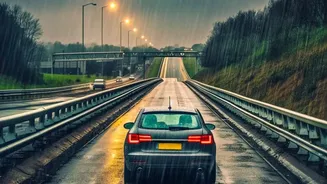
Driving habits that are perfectly fine in the dry can be dangerous in the rain. The most important rule is to slow down; this gives you more time to react and reduces the risk of hydroplaning, where your tyres lose contact with the road. Double the distance between your vehicle and the one in front of you, as stopping takes longer on wet surfaces. Keep your headlights on low beam for visibility, even during the day. Avoid abrupt braking and sudden steering movements. And if the rain becomes too heavy to see clearly, the safest thing to do is pull over and wait for it to subside.
7. Forgetting an Emergency and First-Aid Kit
Getting stranded is a real possibility during monsoon trips, whether due to a flat tyre or a road closure. Your emergency kit should include a powerful torch, a fully charged power bank, a portable tyre inflator, and a puncture repair kit. Also, pack a basic first-aid kit with antiseptic, bandages, pain relievers, and any personal medications. Including some dry snacks like nuts or biscuits and extra drinking water is a smart move for unexpected long waits. Finally, keep your important documents in a waterproof pouch to protect them from the damp.