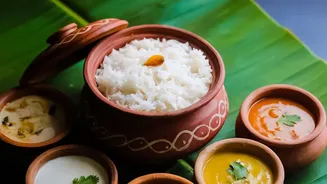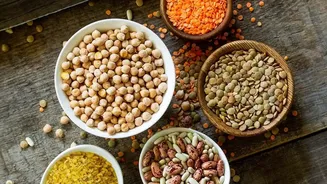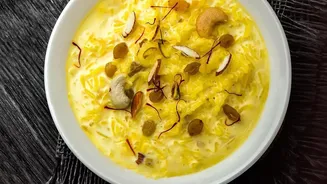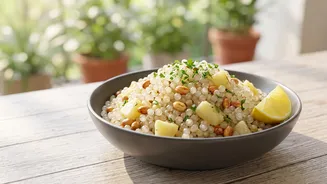






During festive fasts, many people feel a surprising sense of lightness and clarity. This isn't an accident. Traditional Sattvik fasting recipes are an ancient system designed for more than just abstinence; they are crafted to support your health.
The Core Philosophy of Sattvik Eating
Rooted
in Ayurveda, the term 'Sattvik' comes from 'Sattva', which signifies purity, harmony, and balance. A Sattvik diet focuses on fresh, natural, and minimally processed foods that are believed to nourish the body and calm the mind. This philosophy extends to fasting, where the goal isn't just to abstain from certain foods but to consume those that are light, full of life force (or 'prana'), and easy for the body to process. The diet avoids foods considered 'Rajasic' (stimulating) and 'Tamasic' (heavy or stale), such as onions, garlic, heavily processed items, and leftovers, which are believed to cause mental agitation or sluggishness.
Giving the Digestive System a Rest
One of the primary goals of traditional fasting is to give the digestive system, or 'agni' (digestive fire) in Ayurveda, a much-needed break. Constantly eating heavy, complex meals can weaken this digestive fire, leading to issues like bloating, sluggishness, and the buildup of metabolic waste, known as 'ama'. Sattvik fasting foods are deliberately simple and easy to digest, allowing the body to redirect its energy from digestion towards cellular repair and detoxification. This period of rest helps strengthen the digestive system, making it more efficient at absorbing nutrients once regular eating patterns resume.
The Stars of the Sattvik Fasting Plate
Sattvik fasting recipes feature a specific roster of ingredients chosen for their gentle properties. Pseudo-grains like buckwheat (kuttu), amaranth (rajgira), and barnyard millet (samak) are staples. These are gluten-free and rich in fibre, which aids regular bowel movements and prevents constipation. Root vegetables like sweet potatoes provide complex carbohydrates for sustained energy, while gourds like lauki (bottle gourd) are hydrating and cooling. Sabudana (tapioca pearls), though starchy, is easy to digest when prepared correctly and provides a quick source of energy.
The Supporting Cast: Spices and Seasonings
The way Sattvik food is prepared is as important as the ingredients themselves. Cooking methods are typically simple—boiling, steaming, and light sautéing are preferred over deep-frying. This minimalism reduces the digestive load. Spices are used judiciously to aid digestion rather than to overwhelm the senses. Ginger, cumin, and ajwain (carom seeds) are often used to reduce gas and bloating. Instead of processed table salt, pure rock salt (sendha namak) is used. Ayurveda considers rock salt a cooling spice that improves digestion, helps soothe heartburn, and provides essential trace minerals without the chemical processing of regular salt.
Nourishing Your Gut Microbiome
While ancient wisdom didn't use the term 'microbiome', its principles align remarkably with modern science. The emphasis on whole, unprocessed, and fibre-rich plant foods is exactly what beneficial gut bacteria thrive on. Ingredients like buckwheat act as prebiotics, which are fibres that feed the good bacteria in your gut. A healthy gut microbiome is crucial for everything from nutrient production and immune function to emotional balance. Furthermore, dairy products like homemade curd (yoghurt) are often included in fasting diets. Curd is a natural source of probiotics, which directly contribute to a healthy and diverse gut flora.