







The Psychology of Frictionless Spending
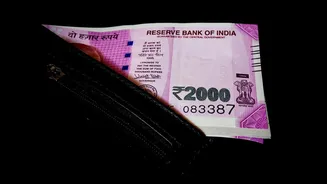
First, understand the enemy: psychological bias. Paying with cash creates a tangible sense of loss, known as the "pain of paying." Handing over a ₹500 note feels more significant than scanning a QR code for the same amount. Digital payments remove this
friction, making each transaction feel less real and weakening our natural self-regulation. Studies show this can lead to spending more than intended, as the brain doesn't register the small outflows in the same way. The convenience is so effective that frequent, small UPI payments for chai, cabs, and food delivery add up, creating a significant dent in your budget by the end of the month.
Habit 1: Create a Dedicated 'Spending' Account
This is one of the most effective strategies to create a hard stop for your spending. Open a secondary, zero-balance savings account and link it to your most-used UPI app. At the beginning of each month (or week), transfer a fixed amount for all your discretionary spending—like eating out, entertainment, and impulse buys—into this account. Your main salary account should remain separate and ideally not linked to any UPI app you use for daily expenses. Once the funds in your spending account are depleted, your UPI payments will simply stop going through. This tactic enforces your budget automatically, forcing you to be mindful of your non-essential spending without constant manual tracking.
Habit 2: The Weekly Spending Audit
Awareness is the first step to control. Set aside 15 minutes every Sunday to perform a weekly spending review. Don't just glance at your bank statement, which often labels all transactions generically as "UPI." Instead, open your UPI app (like Google Pay or PhonePe) and go through your transaction history. These apps categorise your spending, showing you exactly how much went towards food, transport, shopping, and bills. This simple ritual makes the 'invisible' spending visible. You might be shocked to discover how much you're spending on food delivery or cab rides. Seeing the weekly total provides a powerful reality check and helps you identify specific areas where you can cut back.
Habit 3: Use Budgeting Apps That Do the Work for You
If manual tracking feels like a chore, let technology help. Several modern apps are designed specifically for the Indian financial landscape. Apps like INDMoney and Fi Money can link to your bank accounts (using the secure AA framework) to automatically track and categorise your UPI spending. Others, like Moneyview, read your transactional SMS alerts to provide a real-time picture of your finances. For those who prefer manual entry for greater mindfulness, apps like Monefy are a great minimalist option. The key is consistency; an automated app you check weekly is better than a perfect spreadsheet you abandon after a few days. Many of these apps also offer features like bill payment reminders to help you avoid late fees.
Habit 4: Add Friction Back into the System
Since the core problem is frictionless spending, deliberately reintroducing small hurdles can be very effective. One simple trick is to implement a "No-UPI Day" or a "Cash-Only Challenge" once a week. This forces you to think more carefully about your purchases. Another strategy is to leverage payment notes. Instead of leaving the note field blank, get into the habit of tagging each expense (e.g., "lunch with colleagues," "Swiggy dinner"). This adds a moment of reflection and makes your transaction history far more useful during your weekly audit. For shared expenses, use the "Request Money" feature instead of paying for everyone and chasing them later; it shifts the task and improves your own cash flow.
Habit 5: Set Limits and Alerts
Many UPI and banking apps have underutilised features that can act as guardrails. Explore your app's settings to enable transaction alerts for every payment, no matter how small. The constant notifications can serve as a powerful reminder of your spending frequency. Furthermore, some apps like BHIM allow users to set self-defined spending limits and will send alerts when you approach your cap. While these alerts may not block the transaction, the 'nudge' can be enough to make you reconsider an impulse purchase. This combines the convenience of UPI with a layer of conscious financial discipline.