






A Symphony for the Senses
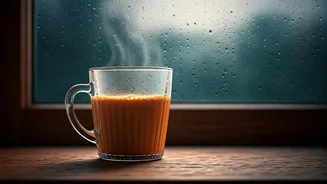
There's a multi-sensory magic that happens when rain and chai meet. It begins with the sound: the rhythmic pitter-patter on the windowpane, a soothing drumbeat that signals a break from the world's chaos. Then comes the scent of petrichor, the glorious,
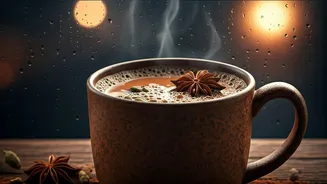
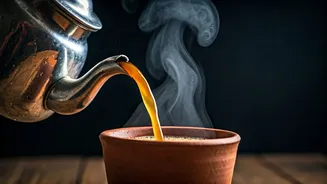
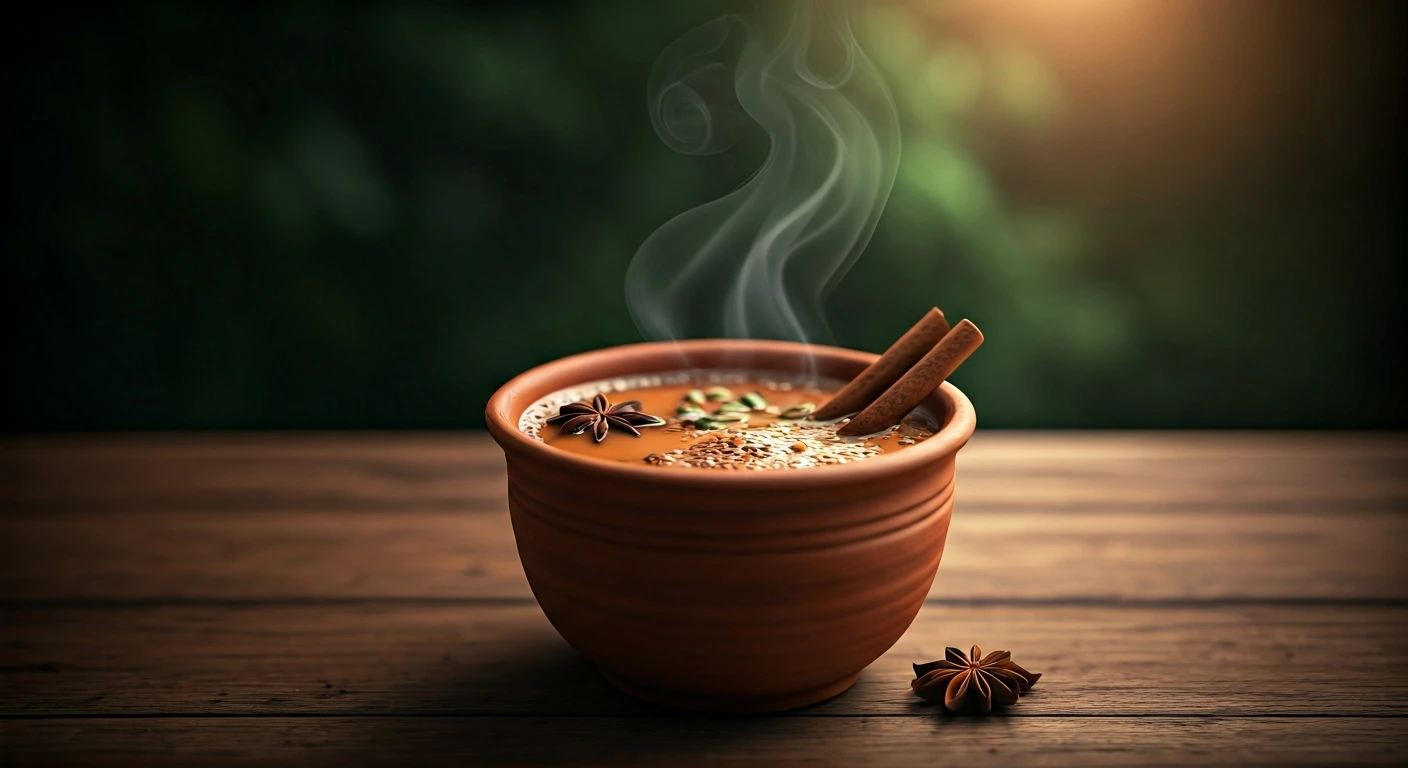
earthy smell that rises from the parched ground receiving its first taste of water. This ancient, primal aroma mingles perfectly with the fragrant steam rising from a cup of masala chai—a heady mix of ginger, cardamom, cloves, and cinnamon. The experience is a study in contrasts: the cool, damp air on your skin versus the warmth of the ceramic cup in your hands; the grey, muted colours of the world outside versus the rich, milky brown of your brew. It’s a simple pleasure that engages every sense, grounding you firmly in the present moment.
The Ritual of Comfort
Beyond the sensory appeal, the combination is deeply comforting on a psychological level. A rainy day often forces a slowdown. Plans are cancelled, commutes are delayed, and the world outside retreats. In this forced pause, the act of making or drinking chai becomes a cherished ritual. It’s a moment of deliberate self-care, a warm, sweet antidote to the gloominess that can accompany a downpour. The warmth of the tea provides a literal and figurative comfort, a feeling of being cosy and protected from the elements. For many, this ritual is steeped in nostalgia, harking back to childhood afternoons spent watching the rain with parents or grandparents, a cup of chai marking the moment as safe and special.
A Catalyst for Connection
Rain and chai are not just a solitary pleasure; they are a powerful social glue. When the heavens open, it’s a natural cue for families to gather in the living room or on the veranda. It’s an excuse for colleagues to huddle together in the office pantry, sharing stories over a shared kettle. Friends duck into a roadside 'tapri' to wait out a sudden shower, the small space fostering an easy camaraderie among strangers and acquaintances alike. The act of sharing chai on a rainy day transcends conversation; it’s a shared experience that says, “We’re in this together.” It strengthens bonds and creates small, indelible memories, turning an ordinary day into something noteworthy.
The Essential Third Wheel: Pakoras
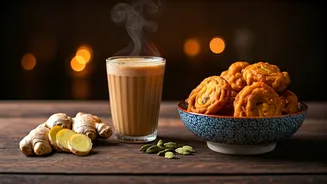
Let’s be honest: the equation is often incomplete. The true holy trinity of the Indian monsoon is rain, chai, and a plate of something hot, crispy, and fried. For most, that means pakoras. Whether it’s onion, potato, paneer, or spinach, these deep-fried fritters are the perfect companion to a cup of cutting chai. The savoury, spicy crunch of a pakora, dipped in tangy chutney, provides the ideal textural and flavour contrast to the sweet, milky tea. This combination is not just a snack; it’s an event. The sound of sputtering oil in the kitchen is as much a part of the monsoon soundtrack as the rain itself. Samosas, kachoris, and bhuttas (roasted corn on the cob) are also popular contenders, but the reign of the pakora is undisputed.
A Cultural Constant
This pairing is so deeply woven into the fabric of Indian life that it has become a cultural shorthand for happiness and contentment. It’s a recurring motif in Bollywood films, where a romantic moment or a scene of deep friendship is often set against the backdrop of rain, with chai as the central prop. It’s celebrated in literature, poetry, and art as a symbol of home, comfort, and simple joys. This isn’t a manufactured trend or a passing fad; it’s a timeless tradition passed down through generations. It connects us to our past, to our land, and to each other, proving that sometimes, the most profound happiness doesn't come from grand gestures, but from a simple cup of tea on a rainy day.