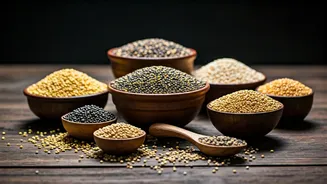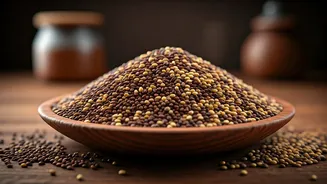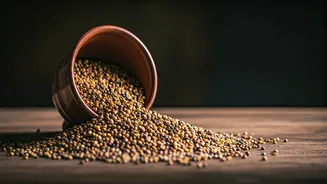



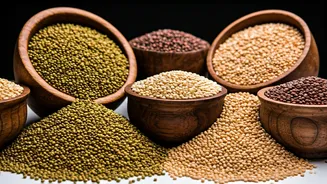
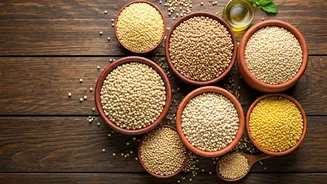
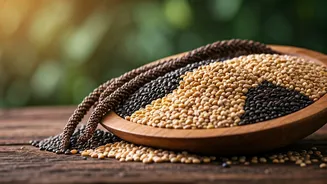


First, What Is Sorghum?
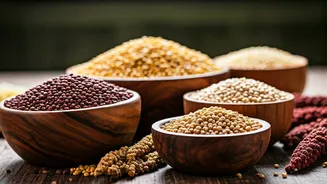
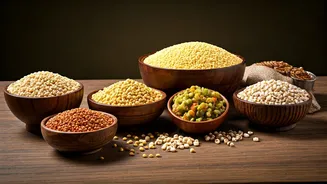
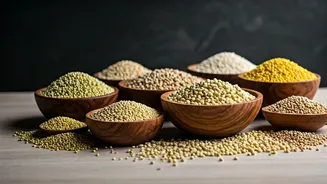
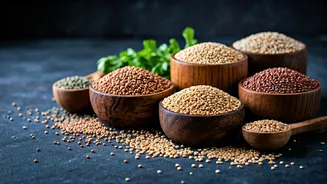
Before it became the new trendy breakfast food, sorghum has been a staple for thousands of years, especially in Africa and Asia. In India, it's known as jowar and is traditionally used to make flatbreads (roti). It's a hardy, drought-resistant cereal
grain that grows tall, a bit like corn. While it has long been used in local cuisines, it's now being rediscovered for its modern-day appeal, fitting perfectly into health-conscious diets and finding new life beyond the traditional roti. Its recent rise in popularity is thanks to a growing interest in ancient grains, gluten-free options, and sustainable food choices.
The Nutritional Powerhouse
Sorghum's entry into the breakfast conversation is backed by some serious nutritional credentials. It's naturally gluten-free, making it a fantastic choice for those with celiac disease or gluten sensitivity. The grain is a powerhouse of nutrients, packed with protein, high-quality fibre, iron, and a host of essential minerals like magnesium, potassium, and phosphorus. A single cup of cooked sorghum can offer a significant portion of your daily protein needs. Its high fibre content aids in digestion, helps you feel full for longer, and can contribute to weight management. Furthermore, sorghum is rich in antioxidants, which are compounds that help protect your body from chronic diseases.
Sorghum vs. Your Usual Grains
So, how does jowar stack up against breakfast regulars like oats or quinoa? While oats are celebrated for their heart-healthy beta-glucans, sorghum brings its own unique advantages. It has a higher protein content than many other grains and provides a substantial amount of fibre. Compared to refined grains, sorghum digests more slowly. This leads to a more gradual rise in blood sugar levels, making it a favourable option for managing blood sugar and sustaining energy throughout the morning. Its texture is often described as chewy and its flavour as mild and nutty, making it a versatile base that pairs well with both sweet and savoury additions.
From Grain to Plate: Breakfast Ideas
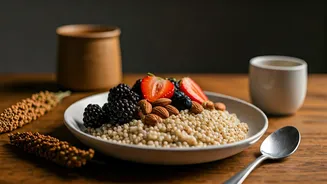
The beauty of sorghum for breakfast lies in its versatility. You can use the whole grain, puffed grain, or flour to create a variety of dishes. One of the simplest ways to enjoy it is as a porridge, similar to oatmeal or dalia. The cooked grains can be topped with fresh fruits, nuts, seeds, and a drizzle of honey. For a savoury twist, you can make a jowar upma, tempering cooked sorghum with mustard seeds, curry leaves, and vegetables. Sorghum flour can be used to make nutritious pancakes, idlis, or dosas. You can even find puffed sorghum, which can be used like a breakfast cereal with milk or yoghurt.
Why Is It So Popular Now?
Sorghum's resurgence isn't a coincidence. It's at the intersection of several major food trends. The global demand for gluten-free products has opened the door for alternative grains. There's also a growing appreciation for 'ancient grains' that are perceived as more natural and nutritious than highly processed modern wheat. Moreover, sorghum is known for being a sustainable crop. It requires less water than many other major grains, making it an environmentally friendly choice in an era of climate change. This combination of health benefits, culinary flexibility, and eco-consciousness is what has firmly placed sorghum back on the modern menu.