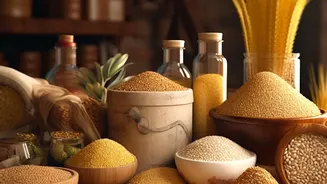





A quiet revolution is happening in the pantries of urban India. Once relegated to rural diets, ancient grains called millets are now appearing on city shelves and menus, championed as the new 'it' food for the conscious consumer.
The Grain That’s Old, New, and Everywhere
Walk down the aisles of
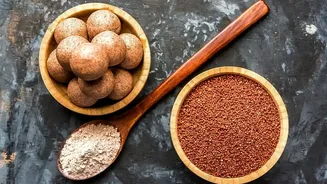
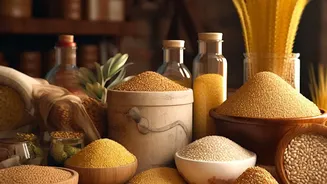
any major supermarket in Mumbai or Bengaluru, and you'll see a variety of grains that were once hard to find: ragi (finger millet), jowar (sorghum), and bajra (pearl millet). No longer just 'coarse grains', they are being transformed into everything from breakfast cereals and gluten-free pasta to cookies and instant dosa mixes. This resurgence is part of a larger shift in urban consumer behaviour, where shoppers are actively seeking foods that are not only healthy but also sustainable and locally sourced. After decades of dominance by wheat and rice, millets are making a remarkable comeback, spurred by government initiatives like the 'International Year of Millets' and a growing number of startups dedicated to making these grains convenient and appealing to a modern palate.
A Nutritional Powerhouse
The term 'superfood' is often overused, but in the case of millets, it’s a fitting description. These grains are nutritional powerhouses packed with protein, high dietary fiber, vitamins, and essential minerals like iron, magnesium, and calcium. For instance, finger millet (ragi) is one of the richest vegetarian sources of calcium, containing almost ten times more than wheat. Their high fiber content aids digestion and promotes gut health, while their low glycemic index helps in managing blood sugar levels, making them an excellent choice for individuals with diabetes. Furthermore, millets are naturally gluten-free, providing a wholesome alternative for those with celiac disease or gluten sensitivity. This impressive profile makes them a smart addition to any diet aimed at combating modern lifestyle ailments.
A Smart Crop for a Changing Planet
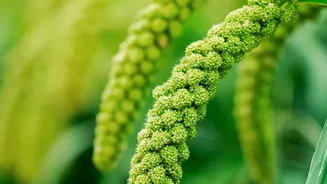
Beyond personal health, choosing millets is a vote for environmental sustainability. These grains are famously climate-resilient, earning them the nickname 'climate-smart crops'. They are hardy plants that can thrive in arid conditions, on less fertile soil, and with significantly less water than rice or wheat. To put it in perspective, producing one kilogram of rice can require up to 5,000 litres of water, whereas millets need a fraction of that. This makes them an invaluable asset for farmers, especially in regions facing erratic weather and depleting groundwater levels. By cultivating millets, farmers can reduce their risk, lower their carbon footprint, and contribute to greater biodiversity in agriculture.
Bringing Millets into Your Kitchen
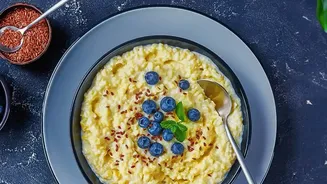
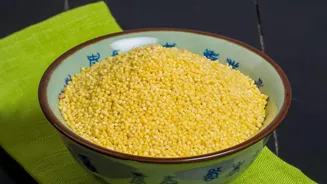
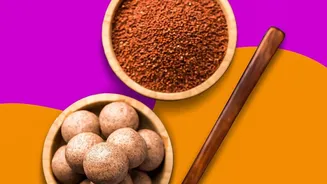
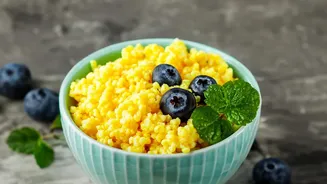
The idea of cooking with millets can be intimidating, but it’s simpler than you might think. Many startups and brands are now offering ready-to_cook mixes and value_added products that make incorporating millets effortless. However, cooking them from scratch is just as easy. Pearl millet (bajra) and sorghum (jowar) flours can be used to make rotis, just like wheat. Foxtail millet can be cooked like rice and used as a base for pulao or lemon 'rice'. Finger millet (ragi) is famous for making dosas and nutritious porridge. A simple method for cooking most whole millets is to use a 1:2 grain_to_water ratio. Simmer for about 15_20 minutes, then let it sit covered for another 10 minutes before fluffing with a fork.