

A New Push for Connectivity
After a few false starts in previous years, India is making a renewed and concerted effort to make seaplane travel a reality. The push is largely driven by the government's UDAN (Ude Desh ka Aam Naagrik) scheme, aimed at enhancing regional connectivity
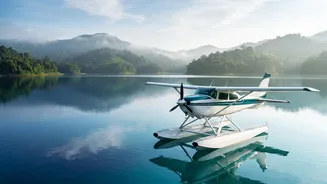
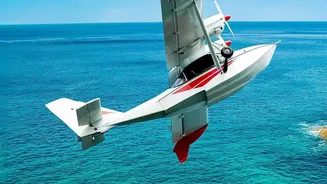
to underserved areas. Seaplanes are a perfect fit for this mission. They can take off and land on water, eliminating the need for costly and land-intensive runways. This makes them ideal for a country with a 7,500-kilometre coastline and countless rivers and reservoirs. Recent policy support, including incentives for manufacturing and viability gap funding announced in the 2026 budget, has created a more favourable environment for operators. A new operator, SkyHop Aviation, received its Air Operator Certificate in April 2026, becoming the country's first dedicated commercial seaplane airline and signalling a serious new chapter for water-based aviation.
Where Are These Services Taking Off?
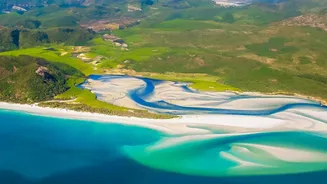
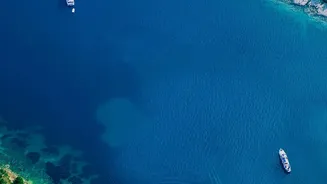
The initial focus is on areas with immense tourism potential but challenging accessibility. Lakshadweep is a prime example. SkyHop Aviation has conducted successful trial flights connecting Kochi on the mainland to the islands of Agatti and Kavaratti. The goal is to slash travel times from overnight ferry journeys to a mere 60-90 minute flight, connecting several islands like Kalpeni and Kadmat. In Uttarakhand, successful tests at Rishikesh's Ganga Barrage and Tehri Lake are paving the way for a Himalayan seaplane circuit, which would cut a 4-5 hour drive to Tehri down to just 25 minutes. Other states are close behind. Andhra Pradesh has approved 10 routes, including connections to Srisailam, Araku, and Visakhapatnam, with the first service expected by 2027. Kerala and the Northeast have also seen successful trials, aiming to connect backwaters, dams, and remote reservoirs.
The Unique Passenger Experience
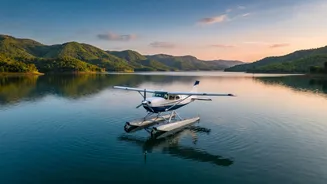
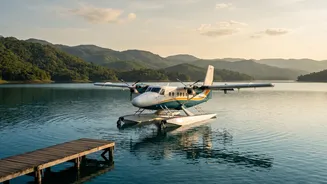
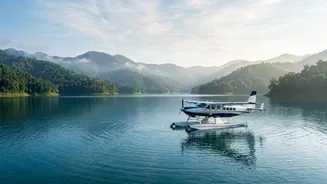
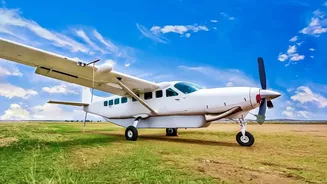
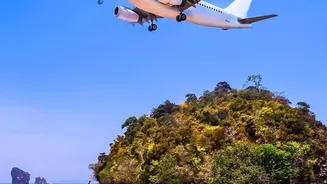
Flying in a seaplane is fundamentally different from a standard commercial flight. These are smaller, unpressurised aircraft, typically 19-seater models like the DHC-6 Twin Otter, which fly at lower altitudes. This offers passengers breathtaking, panoramic views of the landscape below, turning the journey itself into a scenic tour. The real novelty, however, is the landing. The experience of descending towards a lagoon, river, or lake and touching down with a gentle spray of water is a thrill that conventional air travel cannot match. The services are designed to be cost-effective alternatives to long road journeys or expensive helicopter charters. By using existing water bodies as 'waterdromes', operators can provide faster, more direct access to destinations that were previously hours away by road, completely transforming the travel itinerary.
Boosting Remote Economies
The primary goal of these services is to drive tourism and economic growth in remote areas. For places like Lakshadweep, which has struggled to compete with destinations like the Maldives due to poor connectivity, seaplanes are seen as a game-changer. By making these pristine locations more accessible, the services are expected to attract a new wave of domestic and international tourists. This influx can stimulate local economies by creating demand for hotels, homestays, restaurants, and tour guides. The model has proven incredibly successful in the Maldives, where seaplanes are the backbone of the tourism industry, connecting the international airport to far-flung island resorts. The hope is to replicate this success, providing vital transport links for locals while unlocking the untapped tourism potential of India’s most beautiful and isolated regions.
Navigating Environmental and Livelihood Concerns
While the promise is great, the expansion of seaplane services is not without its challenges. Past attempts have struggled with high operational costs and logistical hurdles. More importantly, environmental groups and local communities, particularly in ecologically sensitive areas like Kerala's backwaters, have raised serious concerns. Fisherfolk worry that the noise and turbulence from landings and take-offs could disrupt fishing grounds and affect their livelihoods, a concern that stalled a similar project in Kerala in 2013. Environmentalists point to the potential impact on wildlife, especially in areas near national parks and sanctuaries, where the noise could disturb animals like elephants and birds. The relocation of over 300 crocodiles for a previous project near the Statue of Unity highlights these ecological trade-offs. Proponents argue the impact is minimal, but there is a clear call for thorough environmental assessments and community consultation to ensure this new wave of tourism is sustainable.