






A Robust, Monsoon-Specific First-Aid Kit
A standard first-aid kit is a good start, but monsoon travel requires specific additions. The humid, wet conditions are a breeding ground for bacteria and fungi, increasing the risk of infections. Experienced travellers add antifungal powder or cream
to their kits to combat skin issues caused by constantly damp clothes and shoes. Mosquito-borne illnesses like dengue and malaria are also more prevalent, making a strong insect repellent essential. Also include medication for common monsoon ailments like colds and stomach bugs, alongside basics like antiseptic wipes, bandages, and pain relievers. Packets of Oral Rehydration Salts (ORS) are lightweight and crucial for dealing with dehydration.
Comprehensive Waterproofing for Everything
The golden rule of monsoon travel is that water gets everywhere. Seasoned travellers operate on the principle of double, or even triple, waterproofing. This starts with a waterproof backpack or a reliable rain cover for your main luggage. Inside that, electronics, documents, and cash go into smaller waterproof dry bags or even simple zip-lock pouches. This protects critical items like your phone, camera, power bank, and passport from sudden downpours or a leaky bag. A waterproof phone pouch worn around the neck keeps your device accessible and safe for quick navigation or photos in the rain.
Power and Light for Unexpected Outages
Heavy rains can often lead to power cuts, especially in smaller towns and remote areas. Being left in the dark without a way to charge your phone is not just an inconvenience; it can be a safety issue. An essential in any emergency kit is a fully charged, high-capacity power bank, kept in a waterproof pouch. A reliable, waterproof torch or headlamp with extra batteries is equally important. While a phone flashlight is useful, a dedicated torch saves your phone’s battery for communication. This simple setup ensures you have light and connectivity when you need it most.
The Right Clothing and Footwear
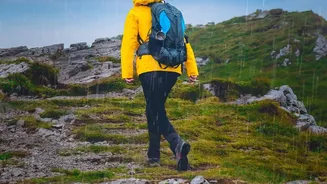
What you wear can make or break a monsoon trip. Experienced travellers avoid cotton and denim, which absorb moisture and take ages to dry, leading to discomfort and fungal infections. Instead, they pack lightweight, synthetic fabrics like polyester and nylon that dry quickly. For footwear, anti-slip, water-resistant shoes or sandals with a strong grip are non-negotiable for navigating slippery paths and roads. It's also wise to pack extra pairs of quick-drying socks to always have a dry pair ready, which is a small but significant comfort.
Emergency Food and Water Supplies
Travel disruptions are common during the monsoon, from waterlogged roads to cancelled trains. You could find yourself stranded for hours. That’s why a small stash of non-perishable food is a must. High-energy snacks like granola bars, nuts, and dry fruits don’t take up much space but can be a lifesaver during a long delay. While you should always opt for bottled or boiled water to avoid contamination, carrying water purification tablets or a bottle with a built-in filter provides a reliable backup if you can't find a trusted water source.
Digital and Physical Document Protection
Losing your ID or travel documents is a nightmare at the best of times, but it’s even worse when they’ve been rendered unreadable by water damage. Smart travellers keep their essential documents—passport, visa, tickets, and identification—in a dedicated waterproof folder. In addition to physical copies, they also maintain digital backups. Saving images of your documents to a secure cloud storage service or your email provides an extra layer of security, ensuring you can access them even if the physical copies are lost or damaged.