

The Language of Adornment
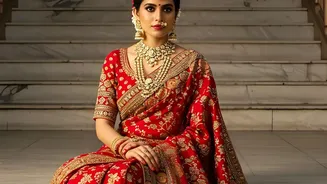
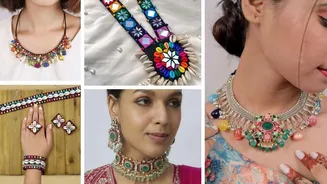
Across India, jewellery has served as a cultural record for thousands of years, with evidence of intricate designs dating back to the Indus Valley Civilization. It is a silent storyteller, communicating a person's marital status, region, and social standing.
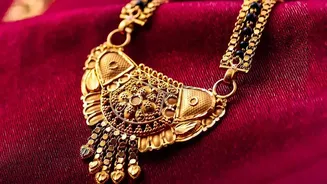
A single piece can signify a marriage, offer spiritual protection, or celebrate a new beginning. Gold is revered as a symbol of purity and prosperity, while silver is believed to bring harmony. Passed down as heirlooms, these ornaments connect wearers to their ancestors, carrying personal memories and collective histories in their intricate designs and precious stones.
The Maharashtrian Nath: A Symbol of Pride
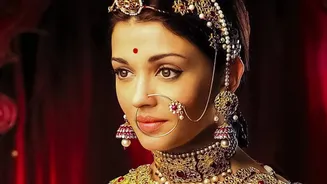
Among the most iconic pieces of Maharashtrian heritage is the 'nath', or nose ring. Far from being just a bridal accessory, the nath is deeply rooted in Maratha history, symbolising honour, courage, and marital status. Its origins trace back to royal and aristocratic women who wore it as a mark of wealth and prestige. Over centuries, it became an essential part of a bride's attire, believed to bestow blessings of fertility and prosperity from Goddess Parvati. Designs vary, from the classic Peshwai style, known for its pearl and gemstone embellishments, to the crescent-shaped Banu nath, each carrying regional pride and a legacy of exquisite craftsmanship.
Temple Jewellery: Divine Craftsmanship
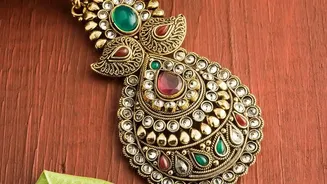
Originating in the grand temples of South India during the Chola and Pandya dynasties, temple jewellery was initially crafted to adorn the idols of gods and goddesses. These pieces, made of gold and studded with gems, were considered sacred offerings. Temple dancers, or 'devadasis', were among the first to wear this jewellery, which later transitioned into bridal and ceremonial wear. The motifs are deeply symbolic, featuring deities like Lakshmi for prosperity, peacocks for beauty and divine love, and the lotus for purity and spiritual awakening. Wearing temple jewellery is seen as carrying a piece of the divine, a tangible connection to faith and heritage.
The Navaratna: A Cosmic Connection
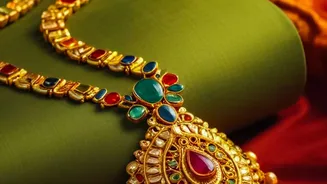
The Navaratna, or 'nine gems', is a powerful talisman in the form of jewellery, representing the nine celestial bodies of Vedic astrology. This arrangement of gemstones is believed to bring balance, protection, and positive energy to the wearer by harmonising cosmic forces. A ruby, representing the Sun, typically sits at the centre, surrounded by diamond, pearl, coral, emerald, yellow sapphire, blue sapphire, hessonite, and cat’s eye. Historically worn by royalty and spiritual seekers, Navaratna pieces were valued for their astrological significance as much as their beauty, acting as a personal, wearable universe that aligns the individual with the rhythms of the cosmos.
Beyond Heirlooms: A Modern Revival
While steeped in tradition, these ancient forms of jewellery are not static. Today, contemporary Indian designers are reinterpreting these classic pieces for a new generation. They are finding a delicate balance, preserving the stories and symbolism of the nath, temple jewellery, and other heirlooms while adapting them for modern aesthetics. This fusion allows the legacy of Indian craftsmanship to thrive, ensuring that these wearable stories continue to be told. The enduring appeal lies in this ability to connect the past with the present, making each piece a timeless expression of identity.