





Thicken Soups and Sauces
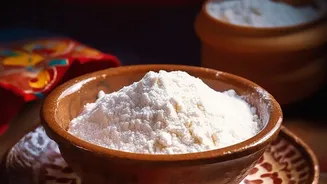
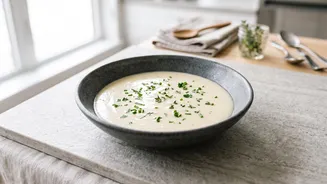
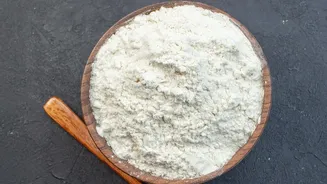
One of arrowroot's most common uses is as a thickening agent. Unlike cornstarch, it creates a clear, glossy finish, making it perfect for fruit glazes, gravies, and pan sauces. To use it, create a 'slurry' by mixing a teaspoon or two of arrowroot powder
with a small amount of cold water until smooth. Whisk this mixture into your hot soup, stew, or sauce near the end of the cooking process. It thickens at a lower temperature than other starches and doesn't need to be boiled, which can actually cause it to lose its thickening power. It's also stable in acidic ingredients, like lemon juice or tomato, where other thickeners might fail.
Create a Crispy Coating
For an incredibly crispy finish on fried or baked foods, turn to arrowroot flour. Its ability to absorb moisture makes it an excellent coating for chicken, fish, tofu, or even vegetables like potatoes before cooking. Simply pat your protein or vegetable dry, then toss it in a mixture of arrowroot powder seasoned with salt, pepper, and your favourite spices. Pan-fry or bake as usual for a light, crunchy exterior that's a world away from heavy, doughy batters. This technique is fantastic for creating gluten-free versions of classics like chicken nuggets or crispy fish fillets.
Improve Gluten-Free Baking
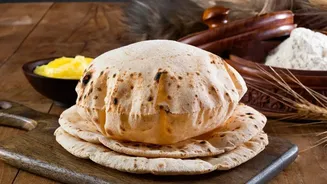
While not a direct substitute for wheat flour in bread, arrowroot is a game-changer in gluten-free baking. When combined with other gluten-free flours like almond or coconut flour, it helps create a lighter, softer crumb in cookies, cakes, and biscuits. It works by binding ingredients and providing a structure that can sometimes be lacking in gluten-free goods. You can find it in recipes for everything from delicate, melt-in-your-mouth Uraro (arrowroot) cookies to tender almond flour scones and even some flatbreads.
Make Silky Puddings and Custards
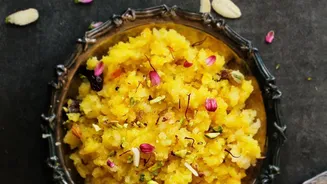
Arrowroot's ability to create a smooth, silky texture makes it ideal for homemade puddings and custards. It sets cleanly without the sometimes chalky mouthfeel of cornstarch. One important note: arrowroot can sometimes develop an undesirable slimy texture when mixed with dairy, so it is often recommended for non-dairy or fruit-based desserts. For a simple pudding, whisk arrowroot powder with plant-based milk, a sweetener, and flavourings like vanilla or cocoa powder, then gently heat while stirring until it thickens. The result is a creamy dessert that's both delicious and easy to prepare.
Use as an Egg Replacer
In certain recipes, particularly vegan baking, arrowroot can function as an effective binder in place of an egg. For each egg you need to replace, a common formula is to whisk together one tablespoon of arrowroot powder, one tablespoon of oil, and about a quarter cup of water. This mixture helps provide structure and moisture, making it useful in recipes like some muffins, pancakes, or veggie burgers where the egg's primary role is to hold the other ingredients together. It's a simple pantry solution for when you're out of eggs or adapting a recipe to be vegan.