





What the Study Found
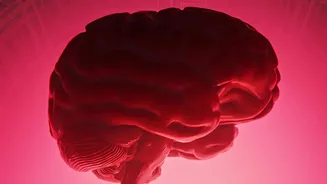
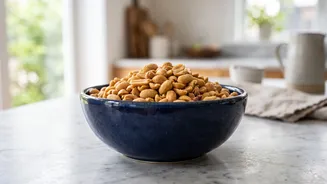
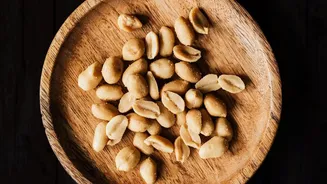
Researchers from Maastricht University in the Netherlands conducted a study on healthy adults aged 60 to 75. The main finding was that participants who ate 60 grams of unsalted, skin-roasted peanuts daily for 16 weeks showed a 5.8% improvement in delayed
verbal memory. This means they were able to correctly recall more words from a list after a 20-minute delay compared to when they were not eating peanuts. The study also revealed a 3.6% increase in overall cerebral blood flow, which is the rate of blood delivery to the brain, suggesting better vascular function. However, it's important to note that other cognitive areas, such as executive function and processing speed, did not show significant improvement.
How the Research Was Done
The study used a strong research design called a randomized, controlled crossover trial. This involved a small group of 31 healthy older adults. Each person participated in two 16-week periods: one where they consumed about two servings (60g) of unsalted, skin-roasted peanuts daily, and another where they ate no peanuts. An eight-week 'washout' period separated the two phases to ensure the effects of one didn't carry over to the next. This structure allowed researchers to compare how each individual responded with and without the peanut intervention, making the results more reliable for each participant.
The Science Behind the Snack
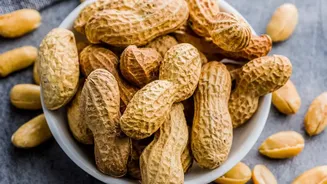
So, what is it about peanuts that might boost brain health? Peanuts are packed with nutrients that are known to be beneficial. They contain L-arginine, an amino acid that helps the body produce nitric oxide, which relaxes blood vessels and can improve blood flow. The skins of peanuts are particularly rich in polyphenols like resveratrol, which are antioxidants that may protect against neuroinflammation and support vascular health. A follow-up analysis of the study suggested that peanuts may improve how the brain's memory centres respond to insulin, another key process for healthy cell communication. These compounds working together are believed to be behind the observed benefits.
Limitations and Important Context
While the findings are promising, they should be viewed with caution. The trial was small, with only 31 participants, and relatively short. Therefore, the results don't prove that eating peanuts can prevent or reverse long-term cognitive decline or conditions like Alzheimer's disease. Researchers also noted that the study was funded by The Peanut Institute Foundation, though the authors stated the foundation had no role in designing the study or analysing the data. This single study adds a piece to the puzzle, but it is not a final verdict on peanuts as a miracle food for the brain.
Your Daily Diet and Brain Health
This study reinforces a broader consensus: diet plays a crucial role in maintaining cognitive function. The benefits seen with peanuts align with the principles of brain-healthy eating patterns like the Mediterranean or MIND diets, which consistently feature nuts. The key isn't to focus on one 'superfood', but to adopt a balanced approach. For those without allergies, incorporating a small handful of unsalted peanuts into your diet can be a simple, affordable, and nutritious choice. They provide healthy unsaturated fats, protein, and fibre. However, portion control is essential, as peanuts are calorie-dense. A serving of about one ounce or a small handful is a good guideline for daily intake.