




As festive seasons approach, the quest for the perfect dessert begins. Enter Sitaphal Phirni, a creamy, fragrant rice pudding that captures the essence of celebration. This traditional delight gets a seasonal twist with luscious custard apple.
The Star of the Season: Sitaphal
Sitaphal,
or custard apple, is the heart of this recipe. Its natural sweetness and creamy, granular texture make it a perfect addition to Indian desserts. While the fruit is delicious on its own, dealing with its numerous seeds can be a chore. A simple trick is to scoop the pulp into a food chopper and pulse it for just a few seconds at a time. This technique cleverly separates the seeds from the flesh without crushing them, making the preparation process much smoother. Once deseeded, the pulp is ready to transform a classic phirni into something truly special.
The Foundation: A Classic Phirni
At its core, phirni is a beloved North Indian dessert with roots in Mughal cuisine. Unlike kheer, which uses whole rice grains, phirni is made with ground rice, giving it a distinctively smooth and pudding-like consistency. The process begins with soaking good-quality Basmati rice, which is chosen for its superior aroma. After soaking, the rice is ground to a coarse, semolina-like texture. This rice paste is then slow-cooked in full-fat milk, which provides the necessary richness. Continuous stirring on a low flame is crucial to prevent lumps and ensure the mixture doesn't stick to the bottom of the pan. This patient, slow-cooking method is what yields the signature creamy base of a perfect phirni.
Crafting Your Sitaphal Phirni
To begin, you will need about a litre of full-fat milk, a quarter cup of Basmati rice, and about half a cup of sugar, adjusted to your taste. First, prepare the rice by soaking it for at least 30 minutes, draining it, and grinding it into a coarse paste with a little water or milk. Bring the milk to a boil in a heavy-bottomed pan and then reduce the heat. Slowly add the rice paste, stirring constantly to avoid lumps. Continue to cook on low heat for 15-20 minutes, stirring frequently, until the rice is cooked and the mixture has thickened considerably. Now, add the sugar and stir until it dissolves completely. The phirni will thin out slightly before thickening again. Once it coats the back of a spoon, it's ready.
The Finishing Touches
Once the phirni base has reached the desired consistency, turn off the heat. It is essential to let it cool down slightly before incorporating the fruit. Adding the sitaphal pulp to a very hot mixture can alter its delicate flavour. Stir in about one cup of the prepared custard apple pulp along with half a teaspoon of cardamom powder. Mix gently until everything is well combined. For an added layer of aroma, you can also add a splash of rose water at this stage. Some recipes also call for saffron strands, soaked in a tablespoon of warm milk, to be added during the cooking process for a beautiful colour and fragrance.
Serving and Presentation
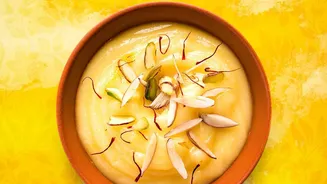
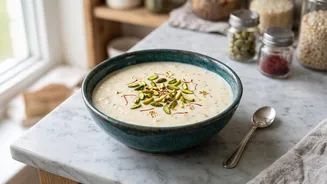
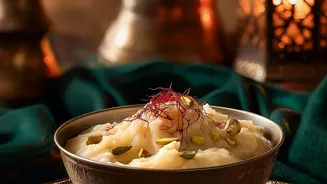
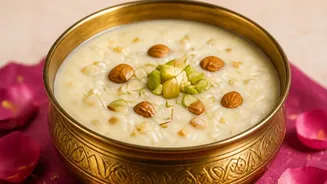
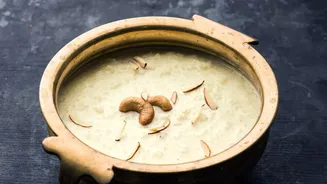
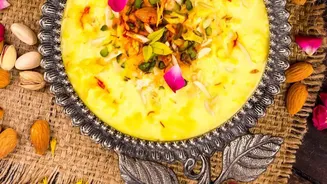
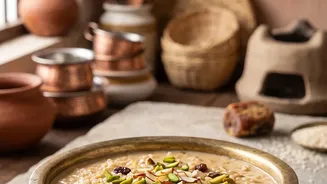
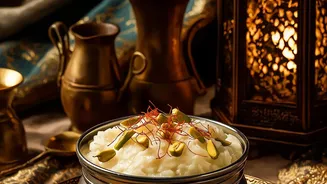
Phirni is traditionally served chilled. Pour the warm mixture into individual serving bowls. For an authentic touch, use small earthen clay pots, known as 'matkas' or 'shikoras'. These pots not only look festive but also absorb excess moisture, helping the phirni to set perfectly and imparting a subtle, earthy aroma. Once poured, allow the phirni to cool to room temperature before refrigerating for at least four hours, or preferably overnight. This chilling time allows the flavours to meld and the dessert to achieve its ideal thick, set texture. Before serving, garnish generously with slivered almonds, pistachios, and perhaps a few strands of saffron to make it visually appealing and ready for your festive table.