


Beyond the Checklist
For decades, the hallmark of a successful holiday was a photo album filled with pictures at famous landmarks. The goal was to see as much as possible, ticking off destinations from a well-trodden list. But today's Indian traveller is starting to ask for
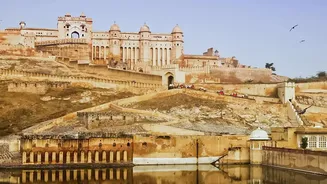
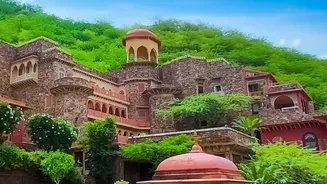
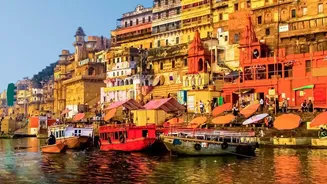
more. Instead of just visiting a place, they want to live it. This is the heart of experience-led travel: a move from passive observation to active participation. It’s the difference between taking a picture of a spice plantation in Kerala and joining a class to learn how to cook with those spices; or between seeing a fort in Rajasthan and staying in a restored haveli to understand its history from the inside out. This approach transforms a trip from a simple sightseeing tour into a journey of genuine discovery.
The Search for Authenticity and Connection
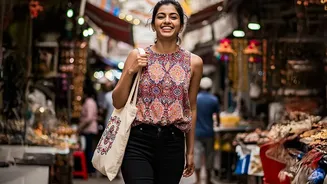
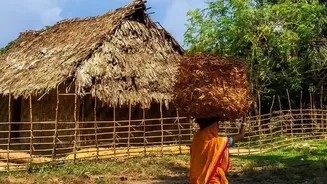
So, what’s driving this significant shift? One of the biggest factors is a deep-seated desire for authenticity. Modern travellers, especially millennials and Gen Z, are looking for meaningful stories and genuine connections. They are venturing into Tier II and Tier III towns, eager to interact with local communities, learn about their traditions, and understand their way of life. A recent Skyscanner report revealed that 67% of Indian travellers now plan their holidays around cultural experiences like heritage, festivals, and food, and 84% said their interest in this type of travel has grown. It's no longer enough to see a place from behind a bus window; the new travel mantra is to engage, learn, and connect on a personal level.
From Selfies to Self-Growth
While social media has been a powerful catalyst, influencing destination choices through visually appealing posts, its role is also evolving. The focus is shifting from just capturing the perfect “Instagrammable” shot to sharing the story behind it. Travellers want memories that last longer than a social media post. This has fuelled interest in activities that promote personal growth and well-being. Wellness tourism, for example, is a booming sector, with travellers seeking out yoga retreats, meditation sessions, and Ayurvedic treatments at serene destinations like Ananda in the Himalayas. Adventure tourism is another fast-growing segment, with more Indians embracing activities like river rafting, scuba diving, and trekking. These experiences are not just about an adrenaline rush; they are about pushing boundaries and discovering one's own capabilities.
A New Kind of Itinerary
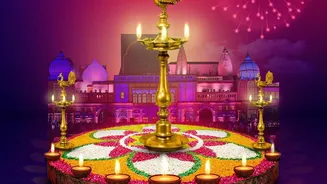
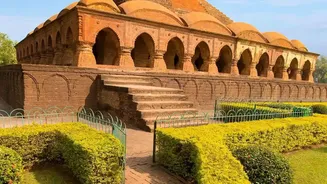
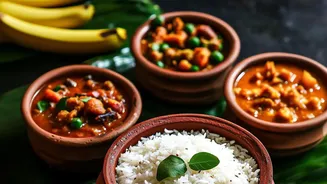
The rise of experiential travel is reshaping what a holiday itinerary looks like. Instead of being planned around landmarks, trips are increasingly being designed around events and activities. This could mean planning a trip to Kolkata to witness the grandeur of Durga Puja, or to Gujarat for Navratri Garba. Food has also become a central pillar of travel, with culinary trails, cooking classes, and food walks becoming primary attractions. This shift is evident in how people plan their trips. Travellers are now researching and booking months in advance for specific cultural events, a departure from the more spontaneous planning of the past. The question is no longer just "Where should I go?" but "What do I want to experience?"