

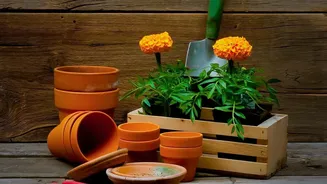


Adjust Your Watering Routine
With summer's intense heat fading, your potted plants will need less water. The most common mistake in autumn is overwatering, which can lead to root rot. Before you water, use the simple finger test: poke your finger about an inch or two into the soil.
If it feels dry, it's time to water; if it's still damp, wait another day or two. Plants in pots can dry out due to wind, but the cooler temperatures mean the soil retains moisture longer. Water deeply when you do, allowing the excess to drain out completely, but do it less frequently than you did in the summer months.
Manage Sunlight and Placement
The sun's intensity and angle change in October. Observe your balcony to see how the light patterns have shifted. Plants that were happy in a particular spot during the harsh summer might now need a sunnier position to get enough light. Rotate your pots every few days to ensure all sides of the plant get some sun. If you plan to bring any outdoor plants inside for the winter, October is a good time to start acclimatising them to lower light conditions to prevent shock.
Prune, Clean, and Tidy Up
October is the perfect time for a bit of garden housekeeping. Regularly remove any dead or yellowing leaves and spent flowers. This process, known as 'deadheading', not only makes your plants look tidier but also encourages them to produce new blooms and directs energy towards healthy growth. Cleaning up fallen leaves and debris from the soil surface also helps prevent fungal diseases and pests from finding a home in your pots.
Watch for Seasonal Pests
Cooler, sometimes humid weather can be an invitation for pests like aphids, mealybugs, and spider mites. Regularly inspect your plants, especially the undersides of leaves and new shoots, for any signs of infestation. Aphids appear as tiny green or black insects, while mealybugs look like small, white, cottony masses. For minor issues, a strong spray of water can be effective. For more persistent problems, a simple solution of neem oil and water is a great organic option to keep these unwelcome guests at bay.
Rethink Your Fertilizing Schedule
As plant growth slows down, so does the need for nutrients. For many foliage plants, you can reduce fertilizing to once every 3-4 weeks. Using a balanced liquid fertilizer is a good option as it provides a quick, easily absorbed boost. However, for winter-flowering plants that you are just starting, a mix rich in organic matter like compost or vermicompost will provide a steady supply of nutrients to support their upcoming growth and blooming season.
Plant Winter-Flowering Annuals
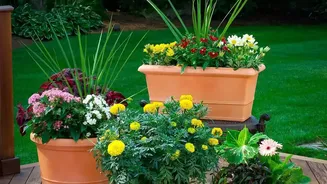
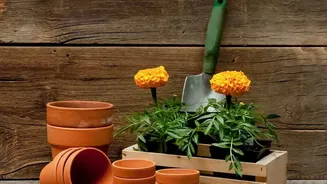
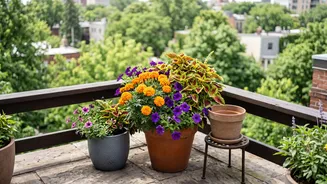
Mid-October offers a golden window for sowing seeds of winter-blooming flowers. The soil is still warm enough for germination, and the milder sun won't scorch young seedlings. Easy-to-grow options that do wonderfully in pots include Marigold (Genda), Petunia, Pansy, and Calendula. Marigolds are particularly low-fuss and add a festive cheer. Petunias are excellent for hanging baskets, while pansies offer beautiful colour in the cooler months. These will provide a vibrant display from December onwards.
Start a Small Edible Garden
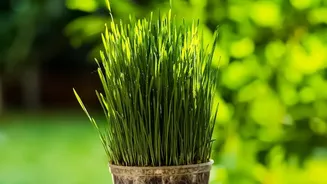
The cooler climate is ideal for growing leafy greens that often struggle in the summer heat. You can easily grow essentials like Spinach (Palak), Coriander (Dhania), and Fenugreek (Methi) in pots. These grow relatively quickly and are perfect for a busy person who wants the satisfaction of a fresh harvest. Tomatoes and chillies also do well when planted in October, setting you up for a harvest in the new year.