








Why the Monsoon is a Birder's Paradise
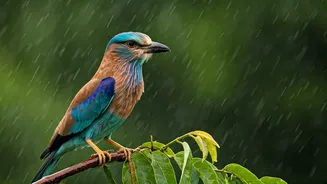
While winter is famous for migratory flocks, the monsoon is when resident birds truly shine. The rains trigger a surge in insect populations, providing an abundant food source that fuels a flurry of activity. This is the primary breeding season for many
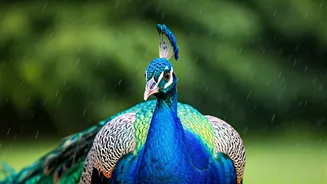
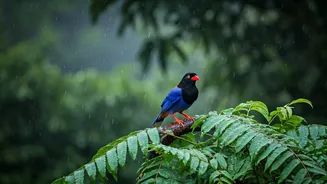
species, meaning the air fills with courtship calls and territorial songs. Birds are more vocal and visible as they engage in elaborate displays, build intricate nests, and raise their young. Many also don their brightest breeding plumage, offering a spectacular visual treat for those willing to brave the weather. The overcast skies provide soft, diffused light, perfect for photography, and the lush, green backdrops make every sighting more dramatic.
The Stars of the Rainy Season
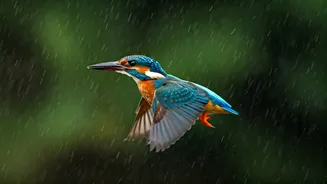
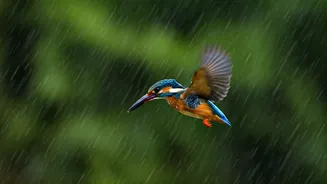
The monsoon has its own cast of avian celebrities. The most famous is the Pied Cuckoo, often called the harbinger of the monsoon, whose arrival from Africa is said to coincide with the first showers. Another star is the Indian Pitta, a jewel-toned ground bird that becomes more vocal and easier to spot during this time. Keep an eye out for the Baya Weaver, as males develop a brilliant yellow crown and construct their remarkable hanging nests. Other species to look for include the Paradise Flycatcher, various sunbirds displaying their metallic sheen, the Malabar Whistling Thrush with its human-like whistle, and the White-throated Kingfisher, which becomes particularly active near replenished water bodies.
Top Monsoon Birding Hotspots
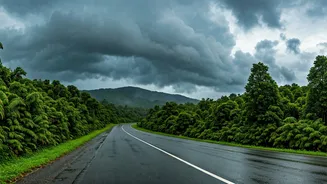
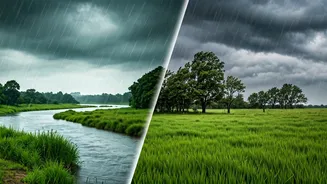
India’s diverse geography offers fantastic monsoon birding across the country. The Western Ghats are a premier destination, with places like Thattekad Bird Sanctuary in Kerala and the regions of Wayanad and Agumbe in Karnataka turning into misty wonderlands teeming with life. In Maharashtra, Bhigwan and Ratnagiri on the Konkan coast become hubs for waterbirds and kingfishers. While many national parks close their core zones, the buffer areas of reserves like Satpura in Madhya Pradesh and Ranthambore in Rajasthan remain open, offering unique opportunities. In the north, the Himalayan foothills near Nainital and Pangot are excellent for high-altitude species, while in the east, the rainforests of Eaglenest Wildlife Sanctuary in Arunachal Pradesh offer a different kind of magic.
Gearing Up for a Rainy Ramble
Successful monsoon birding is all about preparation. Waterproofing is non-negotiable. Invest in a good quality raincoat and waterproof trousers for yourself. To protect your equipment, use rain covers for your binoculars and camera gear. A waterproof backpack or a dry bag is essential to keep your belongings safe. Footwear is equally important; opt for sturdy, waterproof hiking boots with good grip to navigate slippery and muddy trails. Leeches can be common in damp forests, so leech-proof socks or simple precautions like applying salt or tobacco snuff can be very helpful. Finally, carry a small, quick-drying towel to wipe down yourself and your gear.
A Note on Safety and Etiquette
Birding during the rains requires extra caution. Always stick to marked trails, as the undergrowth can be dense and paths can be treacherous. Be mindful of your surroundings, as the rain can muffle the sounds of approaching wildlife. Most importantly, this is a sensitive breeding season. Be extremely respectful of nesting birds. Never get too close to a nest or use playback of bird calls, as this can cause stress and lead to nest abandonment. The goal is to observe without disturbing. A quiet and patient approach will not only keep the birds safe but also yield the most rewarding sightings.