







More Than Just a Long Holiday
The idea of a workation isn't entirely new, but its definition has fundamentally changed. Before, it might have meant checking a few emails during a week-long holiday. Today, it describes a prolonged stay in a scenic or interesting location where work remains
the priority, but the environment provides a much-needed escape from urban routine. Driven by the widespread adoption of remote and hybrid work policies by major Indian companies, professionals in tech, creative fields, and consulting are swapping their home offices for beachside cafes and mountain homestays. This isn't about taking leave; it's about relocating one's entire work life for weeks or even months at a time.
The New Workation Hotspots
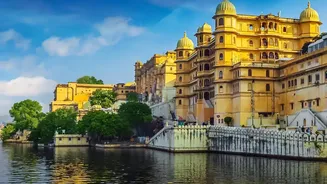
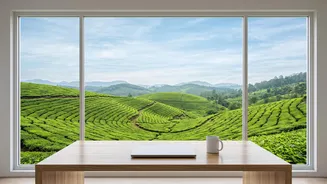
While the dream is to work from anywhere, the reality requires a solid infrastructure. The most popular workation destinations in India offer a blend of reliable internet, affordable long-term stays, and a vibrant community. Goa, particularly the quieter south, has become a major hub for remote workers with its numerous co-working spaces and laid-back vibe. For those seeking cooler climes, hill stations like Dharamshala, Bir, and Manali in Himachal Pradesh offer fibre internet connectivity amidst the mountains. Other trending locations include the coffee plantations of Coorg, the tea estates of Munnar, and the French-inspired streets of Pondicherry, each providing a unique setting for a productive escape.
The Practical Realities: It's Not All Smooth Sailing
The Instagram posts of laptops by the beach don't always tell the full story. A successful workation requires careful planning and managing expectations. The primary challenge remains connectivity; while infrastructure has improved, unreliable Wi-Fi and power cuts can still be an issue, especially in more remote areas. This makes a mobile data hotspot an essential backup. Beyond the tech, there's the human element. Loneliness can be a factor for solo travelers, and maintaining a disciplined work routine requires self-motivation when surrounded by holiday temptations. The key, seasoned workationers say, is to establish a clear schedule that balances work hours with time for exploration.
Making It Financially Viable
One of the most appealing aspects of the workation trend is its affordability. With careful planning, living in a scenic location can be cheaper than living in a major metro city. Average monthly costs for a mid-range workation can range from ₹40,000 to ₹70,000. Destinations like Bir Billing are known for being particularly budget-friendly, with all-in costs potentially as low as ₹20,000-₹30,000 a month. Professionals are funding this by continuing to earn their regular salaries while saving on city-centric expenses. The rise of homestays and long-term rental options has made accommodation more accessible, and coworking spaces, where available, cost between ₹3,000 and ₹10,000 per month.
The Future of Work is Flexible
The workation is more than a passing trend; it represents a significant shift in the relationship between work, life, and travel for a new generation of Indian professionals. As more companies formalize hybrid and remote work policies, the freedom to choose one's workplace is becoming a key factor in employee satisfaction and retention. This lifestyle encourages a better work-life balance, boosts creativity, and helps combat the burnout often associated with high-pressure city jobs. While it demands discipline and planning, the ability to merge professional duties with the joy of travel is redefining what a successful career looks like.