



The Allure of the 'Shoulder' Season
For years, Goa’s calendar was defined by two distinct periods: the frenetic, sun-drenched tourist season from November to February, and the wet, dormant monsoon from June to September. But a third, more nuanced season is emerging as a favourite for remote
working professionals: the post-monsoon. Lasting roughly from late September through October, this period offers a unique proposition. The landscape, freshly washed by the rains, is at its most verdant and beautiful. Waterfalls like Dudhsagar are at their peak flow, and the air is clean and fresh. Crucially, the overwhelming crowds of peak season have yet to arrive, and the intense rains have passed, leaving behind pleasant weather with occasional showers. This creates a quieter, more relaxed atmosphere, allowing for a slower pace of life that is highly conducive to both focused work and genuine relaxation. The usual pressure to rush from one crowded spot to another dissolves, replaced by the freedom to explore serene beaches and sleepy villages.
North vs. South: Choosing Your Hub
Goa offers two distinct experiences, broadly divided between its northern and southern halves. For digital nomads, the choice of hub significantly shapes the lifestyle. North Goa, particularly the belt from Anjuna and Assagao to Morjim, is the energetic heart of the state's remote work scene. This area is dense with aesthetically pleasing cafes, dedicated co-working spaces like NomadGao, and a vibrant community of freelancers, startup founders, and creative professionals. It’s the place for networking, community events, and a livelier social scene. South Goa, encompassing areas like Palolem, Agonda, and Benaulim, offers a stark contrast. It is significantly quieter, more connected to nature, and generally more affordable. While dedicated co-working spaces are less common, the serene environment is ideal for those seeking deep focus and a tranquil escape. The beaches are often less crowded, and the vibe is more laid-back, attracting writers, corporate remote workers, and those who prefer nature over nightlife.
A Day in the Life: The 'Susegad' Work Rhythm
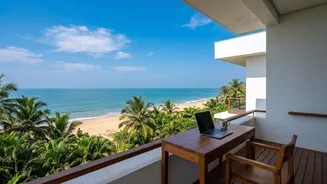
The Goan concept of 'susegad'—a state of relaxed contentment—perfectly encapsulates the daily rhythm of a remote worker here. The day might start not with a frantic commute, but with a yoga session, a walk on a quiet beach, or a scooter ride through lush paddy fields. Work sessions often take place in one of the many work-friendly cafes, especially in the North. Places like Artjuna in Anjuna and Blue Tokai in Assagao are popular for their reliable Wi-Fi, good coffee, and atmosphere that welcomes laptops. The afternoons, when the sun is at its strongest, are perfect for a break—a swim in the sea or a nap in a hammock. Work can resume in the cooler late afternoon before wrapping up to catch the sunset from a beach shack. The improved infrastructure, including high-speed fiber internet in many areas and power backups in dedicated workspaces, has made this lifestyle more viable than ever, mitigating the old frustrations of power cuts and poor connectivity.
Beyond the Laptop: Embracing the Quiet
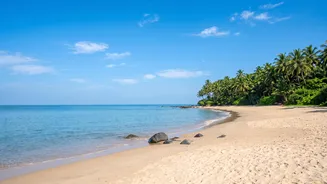
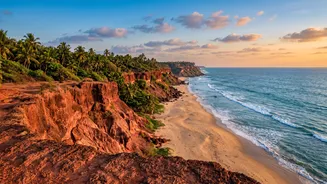
What truly defines the post-monsoon experience is the life that happens after the laptop is closed. With fewer tourists, there's more space to connect with the local culture and environment. It's the ideal time for exploring the spice plantations near Ponda, discovering hidden waterfalls in the Western Ghats, or simply enjoying the dramatic, atmospheric coastline. Evenings are less about loud parties and more about intimate dinners at local restaurants, browsing the early-season markets, or joining community gatherings. The South, in particular, rewards those who appreciate scenery over scheduled activities. Kayaking in the backwaters of Palolem, visiting the historic Cabo de Rama Fort, or simply reading a book on the near-empty sands of Agonda beach become the highlights. This slower, more intentional way of living allows for a genuine recharge, reducing the burnout so common in traditional city-based work life.
The Practical Side of Paradise
Making the move, even for a few months, requires some planning. Accommodation is the largest expense, with monthly rents for a 1BHK ranging from ₹25,000-₹45,000 in the popular northern hubs to a more affordable ₹15,000-₹25,000 in the South. Many find rentals through local Facebook groups. Getting around requires a scooter, which can be rented for around ₹4,500 a month in the off-season. While cafes offer great work environments, a dedicated co-working space might be a better investment for those needing guaranteed high-speed internet and power backup for critical deadlines. Recent accounts suggest a monthly budget of around ₹30,000 can be achievable for a frugal lifestyle that includes rent, groceries, and transport, though a more comfortable range is between ₹35,000 and ₹70,000 depending on your choices.