





That fragrant, stalky herb in the produce aisle might seem intimidating, but lemongrass is a wonderfully versatile ingredient. Its unique citrus aroma, without the tartness of lemon, can elevate your cooking from ordinary to extraordinary.
1. Brew a Fragrant Tea
The simplest
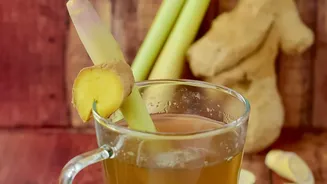
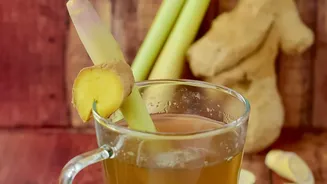
way to enjoy lemongrass is by brewing it into a soothing tea. This method captures its pure, clean flavour and is a perfect introduction to its aromatic properties. To prepare, take one or two fresh stalks, remove the tough outer leaves, and trim the top and bottom. Gently bruise the stalk with the back of a knife to help release its essential oils. Then, simply place the stalk in a mug, pour boiling water over it, and let it steep for five to ten minutes. You can enjoy it as is, or add a touch of honey, mint, or ginger for extra warmth. This caffeine-free infusion is a calming beverage that can be enjoyed hot or chilled over ice for a refreshing drink.
2. Infuse Soups and Curries
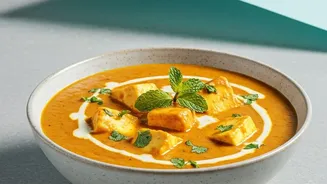
Lemongrass is a cornerstone ingredient in many Southeast Asian cuisines, especially Thai and Vietnamese food, where it provides a foundational aromatic layer to soups and curries. For this application, you use the stalk whole. Prepare it by trimming the ends and peeling away any dry outer layers, then firmly bash the entire stalk with a rolling pin or the flat side of a heavy knife. This bruising action is key to releasing its flavour into the liquid. Add the bruised stalk to your pot along with other aromatics at the beginning of the cooking process. It will slowly infuse the broth with its signature scent. Since the stalk is fibrous and tough to eat, it should be removed before serving. It pairs beautifully with coconut milk, galangal, and lime leaves in classic dishes like Tom Kha Gai or various Thai curries.
3. Create a Zesty Marinade
The bright, citrusy notes of lemongrass make it a fantastic component for marinades, especially for chicken, pork, and seafood. For a marinade, you'll want to use the most tender part of the stalk—the pale, bulbous lower section. After trimming and removing the tough outer layers, finely mince the tender core. The finer you chop it, the better its flavour will distribute, and the texture will be more pleasant to eat. Combine the minced lemongrass with ingredients like garlic, ginger, soy sauce, fish sauce, and a little brown sugar or honey to create a balanced, flavourful mixture. Let your protein marinate for at least 30 minutes to absorb the wonderful aroma before grilling, pan-searing, or roasting.
4. Make a Versatile Lemongrass Paste
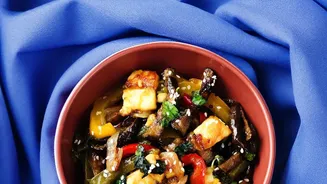
For a convenient, ready_to_use flavour bomb, consider making a lemongrass paste. This can be stored in the fridge and added to stir_fries, marinades, or dressings whenever you need a quick boost of flavour. To make a paste, you'll finely chop the tender parts of the lemongrass stalks. Combine the chopped lemongrass in a blender or food processor with other aromatics like garlic, shallots, and ginger, along with a neutral oil to help it blend into a smooth paste. You can also add chili for heat or a touch of sugar for balance. This paste can be a starter for a quick curry, a flavour base for a noodle dish, or simply a rub for roasted vegetables, making it an incredibly useful prep_ahead ingredient.
5. Add a Surprise Twist to Desserts
While it shines in savory dishes, lemongrass has a sweet, floral quality that makes it a surprising and sophisticated addition to desserts. Its delicate flavour can be infused into dairy or sugar syrups to create unique sweet treats. Try gently heating milk or cream with bruised lemongrass stalks to infuse the liquid than strain it to use in recipes for panna cotta, ice cream, or cheesecakes. The process is similar to making tea but the infused cream becomes the base of your dessert. You can also create a lemongrass infused simple syrup to soak cakes sweeten fruit salads or flavour sorbets. In desserts like mango crumble or lemon bars it can add an unexpected layer of aromatic depth.