



The Perfect Conditions for a Safari Rush
Winter, spanning from November to February, is widely considered the best time for a wildlife safari in India. The scorching heat of summer has subsided, and the monsoon rains have left the forests lush and vibrant. This period offers pleasant daytime
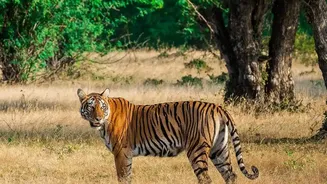
temperatures, making the long hours in an open-air jeep comfortable and enjoyable for everyone, from serious photographers to families. The cooler weather also means animals, including the sought-after tigers and leopards, are more active during the day, often seen basking in the sun. Furthermore, as the season progresses, the dense post-monsoon foliage begins to thin, improving visibility for wildlife spotting. This combination of comfortable climate and increased animal activity creates a peak demand that far outstrips the available safari slots.
It's a Numbers Game: Limited Permits and Coveted Zones
The primary reason for the booking frenzy is the strictly limited number of vehicles allowed into national parks. To minimise disturbance to wildlife and protect the fragile ecosystem, India's forest departments cap the number of jeeps and canters (larger open buses) that can enter each day. Popular tiger reserves like Ranthambore in Rajasthan, and Bandhavgarh and Kanha in Madhya Pradesh, are divided into several zones. Certain 'premium' or 'core' zones are known for higher tiger density or more picturesque landscapes, making them exceptionally desirable. With thousands of enthusiasts vying for a few hundred daily permits, these coveted slots for peak winter dates—especially weekends and holiday periods like Christmas and New Year—get snapped up almost instantly. It's a classic case of high demand meeting intentionally low supply.
Decoding the Safari Booking Window
For India's premier national parks, spontaneous planning is not an option. Safari permits are released on official state-run government portals anywhere from 60 to 120 days in advance. For example, bookings for Ranthambore's popular October-December season open around the beginning of August. Similarly, parks in Madhya Pradesh often open their booking window 120 days prior to the safari date. Enthusiasts know these dates and are often online the moment bookings go live. For the most popular zones and dates, permits can sell out within minutes, not hours. This system forces anyone serious about a winter safari to finalise their travel plans, gather ID documents for all travellers, and be prepared to book three to four months before their intended trip.
The 'Circuit' Strategy and Pro Tips
Many seasoned wildlife travellers plan their trips around established 'safari circuits' to maximise their experience. One of the most famous is the tiger heartland of Central India, connecting parks like Kanha, Bandhavgarh, and Pench in Madhya Pradesh. Another popular route combines a tour of Rajasthan's Golden Triangle (Delhi-Agra-Jaipur) with a safari in the nearby Ranthambore National Park. This circuit approach concentrates demand on a handful of well-connected parks. To navigate this competitive environment, veterans follow a clear strategy: identify the exact park and zone, have all traveller IDs ready for upload, and book the instant the online window opens. For those daunted by the complex government portals, which can be prone to crashing, engaging a reputable wildlife-focused travel operator is a common alternative. They handle the logistics, though it comes at a higher cost.