








A Shock to the System
A new study published in the journal Nature Sustainability has pulled back the curtain on the environmental cost of the United States' largest 'hyperscale' data centers. The research, led by a team at Harvard University, found that just over 400 of these
massive facilities emitted a combined 25.7 million metric tons of carbon dioxide in the year ending April 2025. To put that figure in perspective, it's roughly equivalent to the entire annual carbon pollution of a country like Denmark. These centers were responsible for an estimated 1.8% of total US electricity consumption during the study period, using as much power as states like Michigan or Tennessee. Worryingly, more than half of that electricity—about 54%—was generated by fossil fuels, primarily natural gas and coal, directly linking the backbone of the internet to climate-warming emissions.
The AI Acceleration
What's driving this incredible demand? In a word: AI. The explosive growth of artificial intelligence, from training large language models to deploying complex AI tools, requires computational power on an unprecedented scale. This has triggered a global construction boom for data centers, with capacity expected to double in the next few years, largely driven by AI's needs. The International Energy Agency (IEA) projects that global electricity consumption from data centers will more than double between 2024 and 2030, with AI as the main catalyst. Researchers note that their already striking findings from the Harvard study likely represent a conservative estimate, as the data center boom has only accelerated since their research concluded. This rapid expansion is putting immense strain on energy grids, with some projections showing that new data centers could undo recent progress made in reducing pollution.
The Hidden Cost of Water
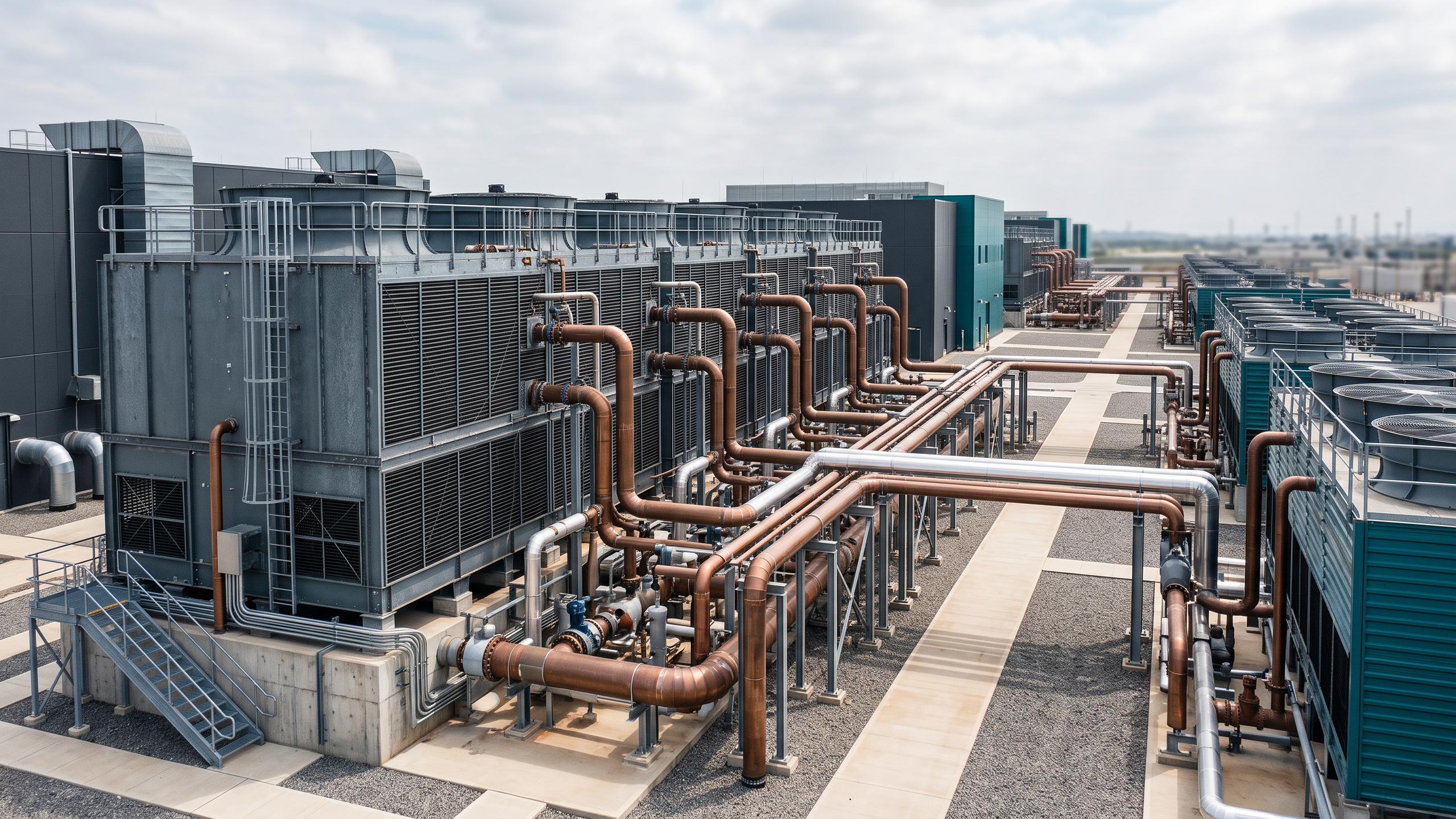
Beyond electricity, data centers have another voracious appetite: water. These facilities use enormous quantities of water for cooling the thousands of servers that run 24/7. A single large data center can consume up to 5 million gallons of water per day, comparable to the water usage of a town of 50,000 people. A recent report highlighted that a quarter of the world's data centers are already located in regions that face water scarcity for at least one month a year. This creates a troubling paradox where the digital economy's growth directly competes with local communities and agriculture for a finite, essential resource. The issue is compounded as much of this water use is indirect, tied to the electricity generation powering the facilities, with thermal power plants also requiring significant water for their own cooling processes.
A Search for Greener Solutions
The tech industry is not blind to the problem. Major companies have made public commitments to power their operations with 100% renewable energy. However, the sheer speed and scale of the AI-driven expansion is making these goals harder to achieve, with some reports showing a return to natural gas to meet the surging demand. The location of a data center is critical; the Harvard study found that due to a cleaner energy grid, facilities in Oregon have significantly lower carbon emissions than those in states like Wyoming for the same amount of power consumed. In response to growing public and political pressure, there is a push for greater transparency and innovation. This includes exploring more efficient cooling technologies, such as closed-loop systems or immersion cooling, and strategically locating new centers in regions with abundant renewable energy. The United Nations has even launched a pledge encouraging countries and companies to power data centers with clean energy and be more open about their consumption.