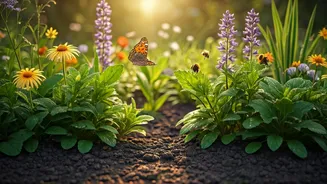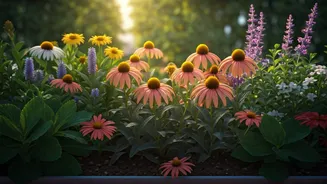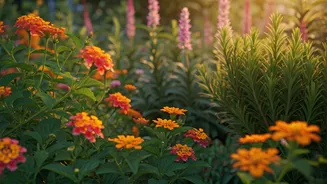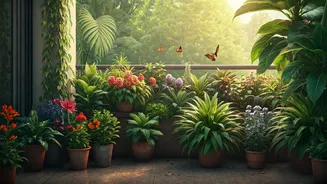

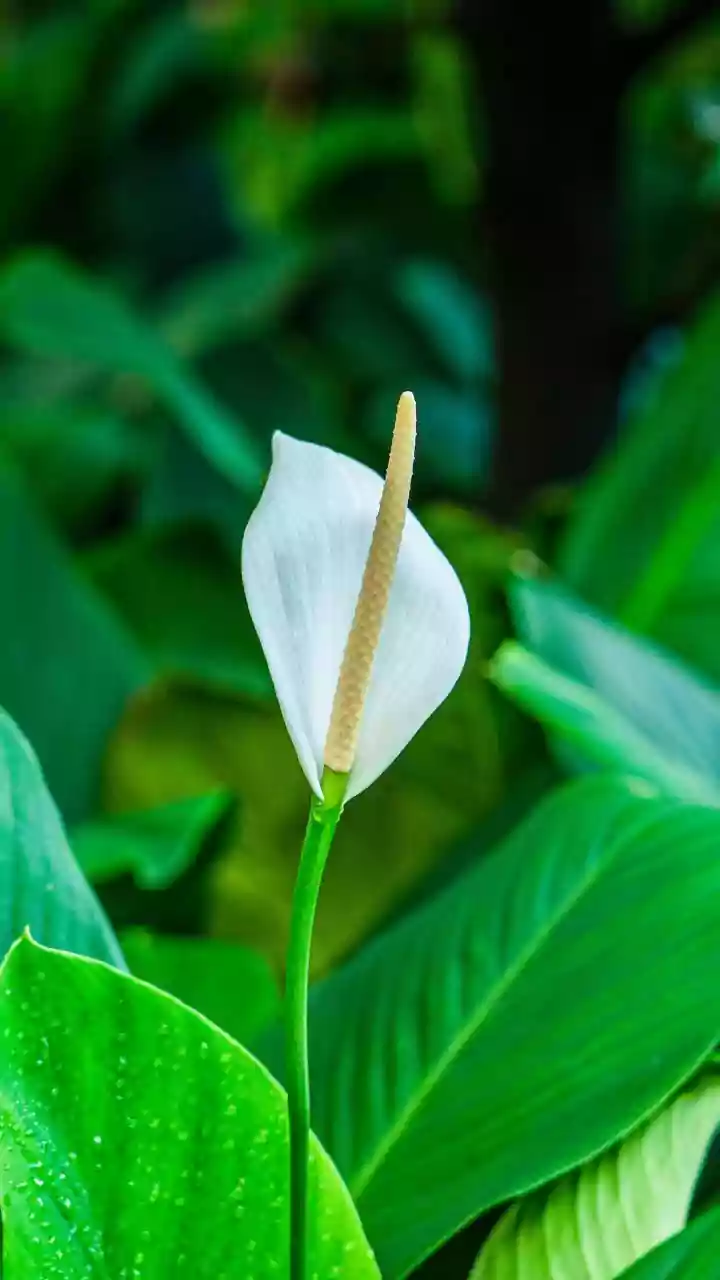
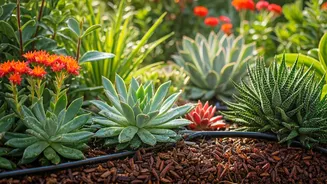
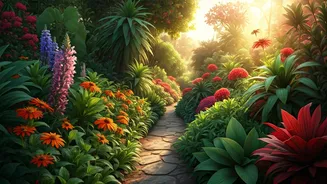
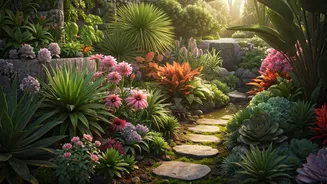


What Exactly Is a 'Native' Garden?
Forget exotic species that struggle in our climate. A native garden is one filled with plants, trees, and shrubs that have naturally grown and evolved in your specific geographical region for centuries. These are the plants that our local birds, bees,
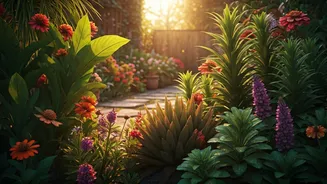
and butterflies recognise and rely on. A Parijat (Night-flowering Jasmine) in North India, a Malabar-lily in the Western Ghats, or a local variety of Hibiscus in the East — these are not just plants; they are pillars of a local ecosystem. Creating a native garden means choosing these resilient, locally-adapted species over foreign imports that often require more resources to survive.
The 'Low-Effort, High-Impact' Benefits
The appeal of a native garden goes far beyond its beauty. Because these plants are perfectly adapted to the local soil, rainfall patterns, and climate, they are remarkably self-sufficient. This translates to significant benefits for you and the environment. Firstly, they demand far less water than non-native ornamental plants, a crucial advantage in a water-conscious country like India. Secondly, they are naturally resistant to local pests and diseases, drastically reducing the need for chemical pesticides. Most importantly, your garden becomes a biodiversity hotspot. You’ll be creating a vital sanctuary for local pollinators like bees and butterflies, birds, and other beneficial insects, helping to restore a small piece of nature’s intricate web.
Why It's Simpler Now
The headline's claim isn't just wishful thinking. In the past, finding native saplings was a challenge, often requiring trips to remote forests or difficult-to-find government nurseries. Today, the landscape has changed. A growing number of specialised private nurseries and online stores now proudly stock and deliver a wide variety of native plants right to your doorstep. Furthermore, there has been an explosion of information online. Social media groups, blogs by Indian ecologists, and apps dedicated to plant identification empower you with the knowledge that was once restricted to botanists. This new ecosystem of accessible plants and information has removed the biggest barriers for aspiring native gardeners.
Your First Steps to Going Native
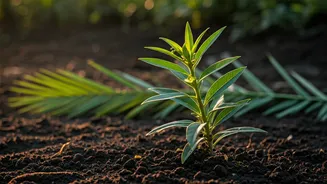
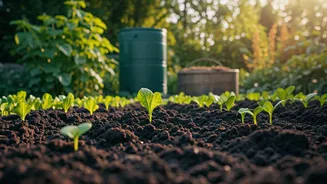
Starting a native garden doesn't mean you have to tear up your entire existing lawn. You can begin small and make a big difference. First, observe your space. Note the amount of sunlight your balcony or patch receives and the type of soil you have. Second, do a little research. Look for online resources or local gardening groups that list native plants for your specific city or state. Focus on hardy, low-maintenance species to begin with. Finally, start with just two or three plants in pots. This allows you to learn their needs without feeling overwhelmed. The goal is to begin the journey, not to perfect it overnight.
A Few Hardy Plants to Consider
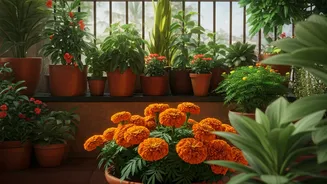
While you should always research what is truly native to your specific locality, some plants are widely adaptable and easy to find across large parts of India. The Shankhpushpi (Butterfly Pea), with its stunning blue flowers, is a hardy climber. The Curry Leaf plant (Kadi Patta) is not just for the kitchen; it's a small, resilient tree that attracts birds. Marigolds (Genda), particularly traditional Indian varieties, are excellent at repelling pests. For fragrant flowers, consider Parijat or many varieties of Jasmine (Mogra, Juhi). For a splash of colour, Ixora (Rugmini) is a fantastic, low-maintenance shrub. These are great starting points for any new native garden project.