







The New Digital Interview Coach
Not long ago, interview prep involved scribbling notes and rehearsing answers in front of a mirror. Today, many candidates have a sophisticated new partner: ChatGPT. Job seekers are turning to AI to perform a wide range of tasks that once took hours of manual
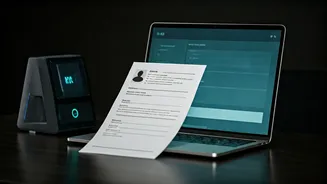
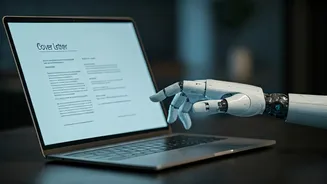
effort. They are pasting job descriptions into the tool and asking it to generate a list of likely interview questions. This gives them a customised practice sheet that goes far beyond generic lists found online. Candidates also use it to refine their resumes and cover letters, asking the AI to identify and incorporate important keywords from a job ad to get past automated screening systems. For many, it's like having an on-demand career coach who can help brainstorm answers, proofread their writing, and even conduct mock interviews in a text-based format.
The Benefits of AI-Assisted Prep
The primary advantage of using ChatGPT is efficiency. In a market where applying for dozens of jobs is common, AI can drastically reduce the time spent tailoring applications. It helps candidates overcome the dreaded 'blank page' paralysis by providing a structured starting point for cover letters and interview answers. For individuals who are not natural writers, these tools can help them articulate their experience more professionally, suggesting stronger phrasing and better structure. This can boost confidence significantly. By simulating interview questions and helping to frame responses using methods like the STAR (Situation, Task, Action, Result) framework, ChatGPT allows candidates to walk into interviews feeling more prepared and articulate.
The Risk of Sounding Like a Robot
However, the biggest pitfall of relying too heavily on AI is the loss of authenticity. Hiring managers are increasingly adept at spotting the tell-tale signs of a ChatGPT-generated response: overly polished, generic language that lacks a personal voice or genuine enthusiasm. One recruiter noted that AI-written materials often lack the anecdotal evidence and passion that helps a candidate stand out. Some surveys indicate that a majority of hiring managers can identify AI-generated content that hasn't been personalised, often leading to rejection. The goal of an interview is for the company to get to know the real person behind the resume. An answer that sounds like it could have been written for anyone fails that fundamental test. There's a fine line between using AI for polish and misrepresenting your abilities.
What Do Recruiters Actually Think?
The perspective from the hiring side is nuanced. While some recruiters view the use of AI as cheating, others see it as a sign that a candidate is resourceful and up-to-date with modern tools. Many acknowledge that since companies use AI in their Applicant Tracking Systems (ATS) to screen resumes, it's only fair for candidates to use AI to level the playing field. The real test comes during the interview itself. A recruiter can often tell when a candidate is reading a pre-written, AI-generated script during a phone or video call. The consensus seems to be that using AI for preparation—like generating practice questions or refining bullet points—is acceptable and even smart. But using it as a crutch during a live interview or submitting unedited AI content is a major red flag that suggests a lack of genuine skill or interest.
Using AI Smartly: A Tool, Not a Replacement
The most effective way to use ChatGPT in a job search is to treat it as a collaborative tool, not a ghostwriter. Use it to generate ideas, structure your thoughts, and check for clarity. For example, after the AI generates potential answers, the real work begins: infusing them with your own specific experiences, accomplishments, and personality. Always fact-check the output, as AI models can invent information. A great strategy is to use it to understand the core requirements of a role and then brainstorm your own unique stories that demonstrate those skills. The final product—whether it's a resume, cover letter, or interview answer—must be in your voice and accurately reflect your capabilities. Ultimately, you can't get ChatGPT to do the interview for you.