





Giving in to Every Street Food Craving
The allure of sizzling roadside bhuttas and spicy pani puri is strongest during a downpour. Unfortunately, this is also the riskiest time to indulge. The humidity and ambient moisture create a perfect breeding ground for bacteria. Water used by vendors
for chutneys and drinks might be contaminated, leading to stomach infections, cholera, or typhoid. While it's tempting, your digestive system is more vulnerable during this season. If the craving is unbearable, try recreating your favourite chaat or pakoras at home where you can control the hygiene, oil, and water quality.
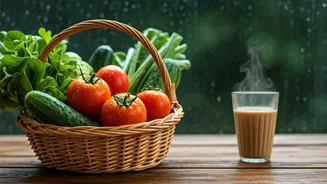
Loading Up on Raw Salads and Leafy Greens
We're often told to eat our greens, but the monsoon demands a different approach. The damp conditions mean leafy vegetables like spinach, cabbage, and cauliflower are more likely to harbour dirt, grime, and tiny pests that are hard to wash away. Consuming them raw or improperly cleaned can lead to serious gastric issues. This doesn't mean you have to skip them entirely. The solution is to cook them thoroughly. Steaming, blanching, or adding them to well-cooked curries and soups will kill any harmful microbes, making them safe and nutritious.
Overdoing It with Dairy Products
According to Ayurvedic wisdom, our digestion (Agni) is weaker during the monsoon. Heavy foods, including many dairy products like paneer, cheese, and cream, can be difficult to digest. This can lead to bloating, gas, and general discomfort. Furthermore, dairy can increase mucus production, which might aggravate colds and coughs common in this weather. Consider switching to lighter alternatives like buttermilk (chaas) or yoghurt (dahi), which contain probiotics that are actually beneficial for your gut health.
Not Being Picky About Seafood
The monsoon is the breeding season for most fish and prawns. Consuming them during this time not only disrupts the marine ecosystem but also poses a health risk. Water pollution tends to be higher during the rains, and seafood can get contaminated more easily. If you must eat fish, opt for freshwater varieties like Rohu or Catla from a reliable source. Otherwise, it's generally a good idea to limit seafood intake and focus on other protein sources like lentils, chickpeas, and well-cooked chicken.
Eating Too Many Fried and Oily Foods
What is a rainy day without a plate of hot samosas or bhajiyas? While a small indulgence is fine, making it a daily habit is a mistake. The high humidity already slows down your metabolism and digestion. Loading your system with heavy, oily foods puts extra strain on your gut, leading to sluggishness and indigestion. They can also contribute to skin breakouts. Instead, try healthier cooking methods like baking, air-frying, or grilling. A warm, hearty soup is often a much better and more comforting choice.
Forgetting Immunity-Boosting Superfoods
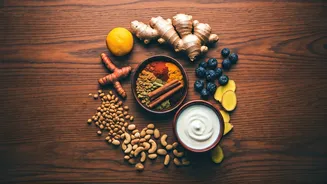
While it's important to avoid certain foods, it's equally crucial to include others that strengthen your immunity. The monsoon is the prime time for viral and bacterial infections. Fortify your body's defences by incorporating traditional Indian superfoods into your diet. Add turmeric to your milk or curries for its antiseptic properties. Ginger and garlic are excellent for fighting infections and aiding digestion—add them liberally to your cooking. A warm cup of herbal tea made with tulsi, ginger, and black pepper can do wonders for a sore throat and keep you feeling warm and healthy.