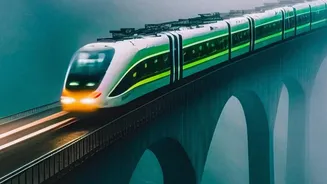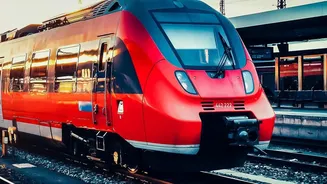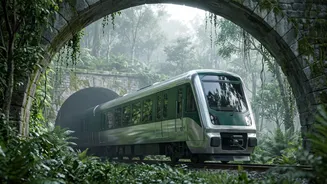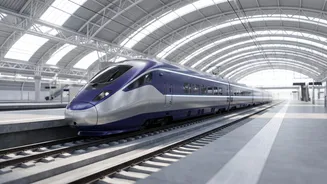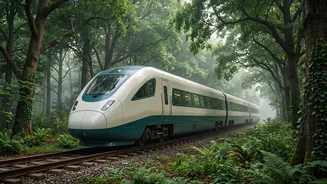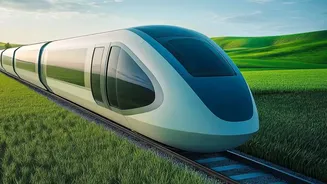







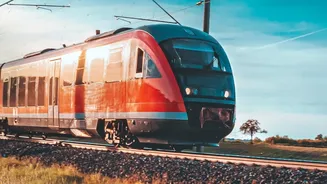
What Exactly is a Hydrogen Train?
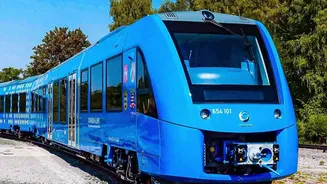
A hydrogen train is essentially an electric train that produces its own power onboard. Instead of drawing electricity from overhead wires, it uses a device called a fuel cell. In this cell, hydrogen stored in high-pressure tanks on the train reacts with
oxygen taken from the air. This electrochemical reaction generates electricity to power the motors, with the only byproducts being heat and pure water vapour, making it a zero-emission mode of transport. To improve efficiency, especially during acceleration, these trains also use batteries to store excess energy, which can be deployed when extra power is needed.
The Push Away From Diesel
For decades, diesel multiple units (DMUs) have been the workhorses of India's non-electrified railway routes. However, they come with significant downsides: air and noise pollution, and a heavy reliance on imported fossil fuels. With India setting an ambitious target of achieving net-zero emissions by 2070, decarbonising its massive rail network is a critical goal. While widespread electrification is the primary strategy, it isn't economically viable for all routes, especially in remote, hilly, or low-traffic areas. Hydrogen trains offer a clean, self-contained solution for these specific lines, avoiding the high cost of installing new electrical infrastructure.
The Jind-Sonipat Pilot Project
India's journey into hydrogen rail began in earnest on July 17, 2026, with the inauguration of its first indigenous hydrogen-powered train on the 89-km Jind-Sonipat route in Haryana. Developed under the 'Atmanirbhar Bharat' initiative, this 10-coach train was created by retrofitting an existing diesel train. Hyderabad-based Medha Servo Drives integrated the fuel cell propulsion system, marking a significant domestic engineering achievement. The project is a crucial pilot to test the technology under real-world operating conditions and provide valuable data. To support the train, Indian Railways also established the country's largest railway hydrogen storage and refuelling facility at Jind.
Hydrogen for Heritage and Beyond
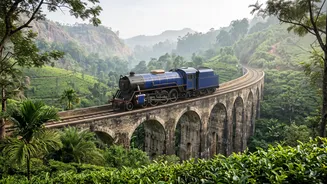
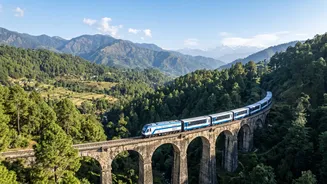
Beyond the Jind-Sonipat line, Indian Railways has a broader vision for this technology. A key initiative is "Hydrogen for Heritage," which aims to deploy 35 hydrogen trains on iconic heritage routes, such as the Kalka-Shimla line. This plan will help preserve the pristine environments of these tourist-heavy regions by eliminating diesel emissions and noise. The initial success of the pilot project has now put India in a select group of nations, including Germany and China, that are actively exploring hydrogen for rail. It also opens up possibilities for exporting this home-grown technology in the future.
Challenges on the Track Ahead
Despite the successful launch, the path to widespread adoption is not without obstacles. The primary challenge is cost. Green hydrogen, produced using renewable energy, is currently more expensive than diesel or electricity. Building the necessary infrastructure for hydrogen production and refuelling across the network also requires significant capital investment. Furthermore, the initial run on the Jind-Sonipat route highlighted that a technologically advanced train cannot by itself create passenger demand; ridership on the pilot route has been low, prompting officials to consider extending the service to busier corridors like Delhi to better utilize its capacity.