




A Rebellion Against the Instant
For a generation that grew up with WhatsApp and Instagram DMs, the appeal of snail mail isn’t nostalgia; it's novelty. The trend is a conscious rebellion against the pressures of digital immediacy. Faced with what some call 'algorithm exhaustion' and the burnout
from constant connectivity, many young Indians are turning to slower, more deliberate hobbies. Letter writing fits perfectly into this 'slow living' philosophy. The act of sitting down to compose a thoughtful message, without the option to edit or delete, provides a rare pause in a hyper-fast world. The delay between sending a letter and receiving a reply creates a sense of anticipation that a text message, read and forgotten in minutes, can never replicate.
The Joy of a Tangible Connection
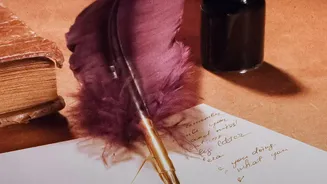
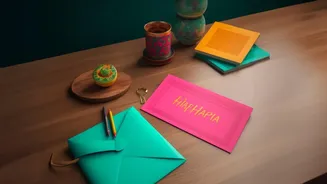
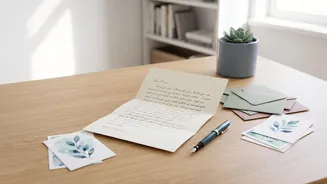
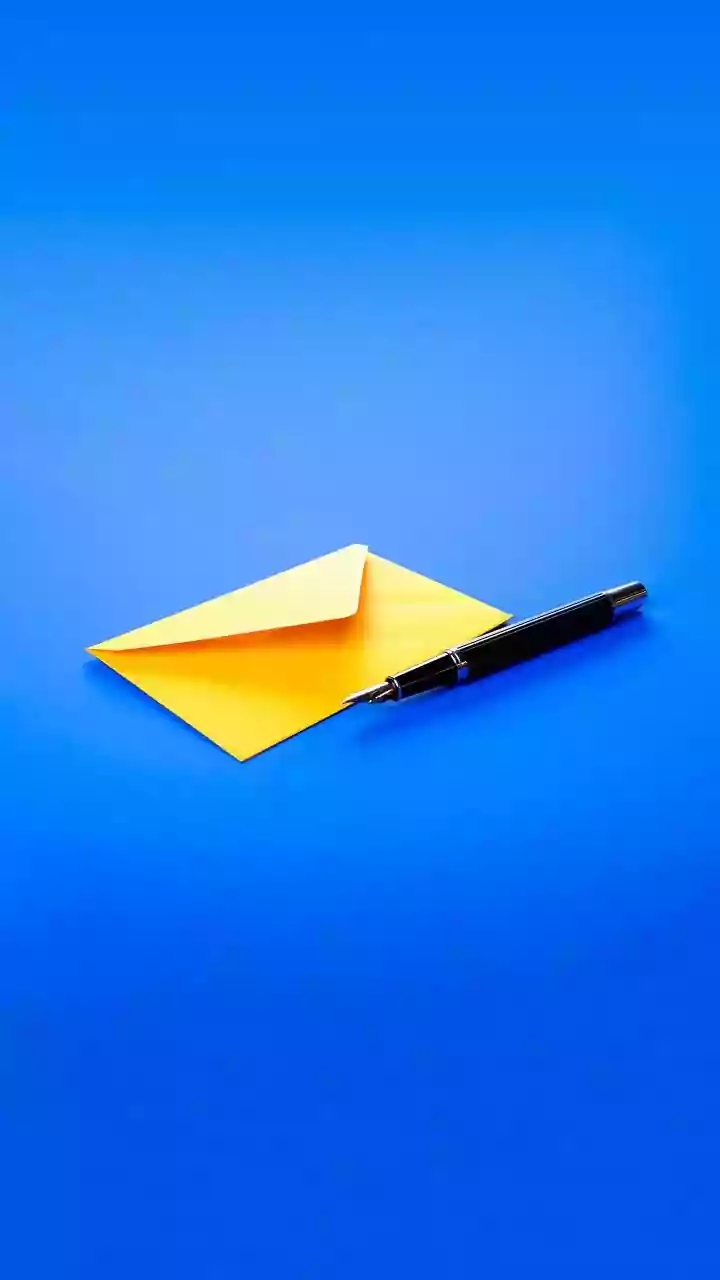
A significant part of snail mail's charm lies in its physicality. Unlike an email, a handwritten letter is a tangible object that engages multiple senses. It's an experience built on the texture of the paper, the flow of ink from a chosen pen, and the finality of sealing an envelope. This tactile quality makes the communication feel more personal and significant. In response, a cottage industry of 'art mail' has emerged, particularly on platforms like Instagram. Creative entrepreneurs are starting subscription services that deliver beautifully decorated letters to doorsteps, often filled with stickers, postcards, and other small keepsakes. These are not just messages; they are curated experiences, turning the humble letter into a piece of personalised art.
An Avenue for Art and Aesthetics
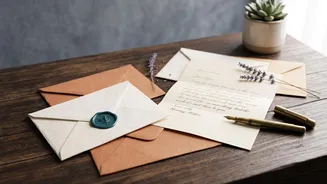
The revival is deeply connected to a love for aesthetics and craft. Social media, ironically, is a major driver of this offline trend. Instagram and Pinterest are filled with images of exquisite calligraphy, envelopes adorned with washi tape and wax seals, and vintage stamp collections. For many in Gen Z, writing a letter is as much a creative outlet as it is a form of communication. It aligns with other analogue interests like bullet journaling, film photography, and pottery that are also seeing a resurgence. The process allows for a unique form of self-expression that goes beyond just words, transforming a simple note into a handcrafted gift that feels both special to create and to receive.
Finding Community, One Stamp at a Time
Beyond individual practice, the snail mail revival is fostering new communities. Pen pal initiatives are connecting strangers across cities and even countries. Postcrossing, a global project to exchange postcards with random users, has over 9,000 members in India. Its active communities, like the one in Chennai, hold regular meet-ups to design and exchange cards. These groups help turn a solitary hobby into a shared passion, building relationships that move from the digital world to the physical one. The slow, deliberate nature of letter writing is seen as a way to forge deeper, more meaningful connections, as the effort involved signals a higher level of care and thoughtfulness.
The Post Office Gets a Modern Makeover
This niche trend has not gone unnoticed by official channels. India Post is actively working to engage this new generation of letter writers. Initiatives like the 'Patra Utsav' letter-writing festival in Mumbai aim to rekindle the artistry of handwritten correspondence. More pointedly, India Post has begun launching 'Gen Z Post Offices' on university campuses like IIT-Delhi. These revamped spaces feature modern aesthetics, Wi-Fi, and sell collectible stamps and artistic postcards, transforming the post office from a purely functional utility into a trendy hub. It's a clear acknowledgment that for snail mail to thrive, its infrastructure must also appeal to the sensibilities of its new, young audience.