

What Exactly Is a Humidity Tray?
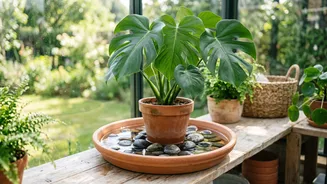
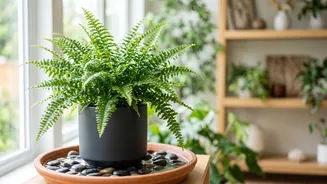
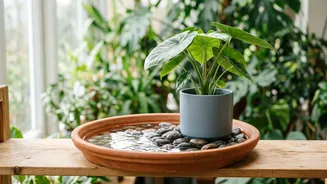
A humidity tray, often called a pebble tray, is a simple, low-tech device designed to create a pocket of moist air around a plant. It consists of a shallow, waterproof tray filled with a layer of pebbles, gravel, or decorative stones. Water is added to the
tray, filling the gaps between the pebbles but staying just below their top surface. The plant, in its own pot with drainage holes, is then placed on top of this layer of stones. The key is that the pot itself never sits directly in the water, which prevents the soil from becoming waterlogged and causing root rot.
The Science of Evaporation
The magic of a humidity tray lies in simple physics: evaporation. The water in the tray slowly evaporates, turning into water vapor and increasing the ambient humidity in the immediate vicinity of the plant. This creates a more humid 'microclimate' right around the leaves. While it won't significantly raise the humidity of an entire room, it provides a consistent, localized boost of moisture right where the plant can use it. This process mimics the naturally humid conditions of the tropical and subtropical environments where many popular houseplants originate.
A Perfect Match for Ferns
Ferns are the quintessential candidates for a humidity tray. Most ferns, like the popular Boston fern and Maidenhair fern, evolved on damp, shaded forest floors where humidity is consistently high. Their delicate, thin fronds can lose moisture quickly in the dry air common to heated or air-conditioned homes. This moisture loss often results in crispy, brown leaf tips and edges. Placing a fern on a humidity tray provides the steady, gentle supply of airborne moisture it craves, helping to keep its foliage lush and green.
Why Succulents Suffer from Humidity
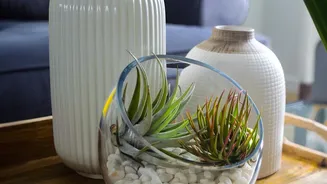
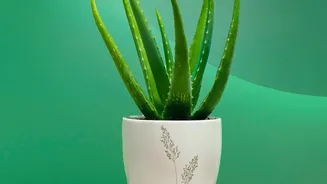
On the opposite end of the spectrum are succulents and cacti. These plants evolved in arid, desert-like climates and are adapted to survive with very little water and low humidity. Their thick, fleshy leaves are designed to store water, not to absorb it from the air. Exposing succulents to the consistently damp environment created by a humidity tray is a recipe for disaster. The excess moisture can inhibit the soil's ability to dry out, creating a prime breeding ground for fungal diseases and root rot, which can be fatal to the plant. For these desert dwellers, dry air is a friend, not a foe.
How to Create Your Own Humidity Tray
Making your own humidity tray is an easy and affordable project. First, choose a waterproof tray that is at least a few inches wider than the base of your plant's pot to maximize the surface area for evaporation. Fill it with a one-to-two-inch layer of clean pebbles, decorative stones, or gravel. Next, pour water into the tray until it reaches a level just below the top of the pebbles. Finally, place your potted plant securely on top of the stones, ensuring the bottom of the pot is not touching the water. Check the water level every few days and refill as needed.
Beyond the Tray: Other Humidity Boosters
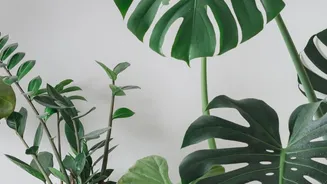
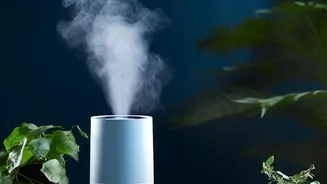
While effective for a single plant, a humidity tray is just one tool in the arsenal. For a more significant impact, you can group several moisture-loving plants together. As they release water vapor through transpiration, they collectively raise the humidity of their shared space. Placing plants in naturally humid rooms like a bathroom or kitchen can also work wonders, provided there is adequate light. For very dry homes or particularly needy plants, a small electric humidifier is the most powerful option for controlling moisture levels throughout a room.