



When ‘Healthy’ Becomes Monotonous
In our quest for health, it’s easy to fall into a routine. You find a few simple, 'safe' meals—perhaps dal and rice, or a standard chicken curry—and you stick with them. The portions are sensible, the calories are in check, and you feel disciplined. The problem
is that while your meal may be moderate, it can quickly become monotonous. Eating the same limited range of foods every day, even if they are healthy, can lead to what’s known as “hidden hunger.” This isn't about the quantity of food but the quality and range of nutrients. Your body isn't just looking for energy; it needs a complex array of vitamins, minerals, and antioxidants to function optimally. No single food can provide all the essential nutrients your body requires to thrive. A repetitive diet, no matter how controlled, creates nutritional blind spots that can have long-term consequences.
The Risks of a Repetitive Plate
A diet lacking in variety can lead to significant health issues, most notably micronutrient deficiencies. These are shortages in essential vitamins and minerals like iron, zinc, and vitamin A, which are critical for everything from immune function to cognitive health. Over time, this can weaken your immune system, increase inflammation, and even affect your mental well-being. Another crucial aspect is gut health. Your gut is home to trillions of bacteria that thrive on diversity. Different foods, especially various types of plant fibres, feed different beneficial bacteria. When you eat the same thing every day, you starve certain bacterial communities, leading to an imbalanced microbiome. This can impair digestion, nutrient absorption, and immunity. A diverse gut microbiome, nurtured by a varied diet, is fundamental to your overall health.
Eat the Rainbow: A Guide to Variety
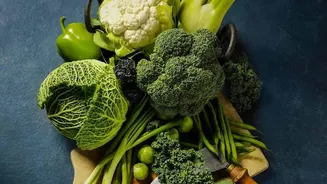
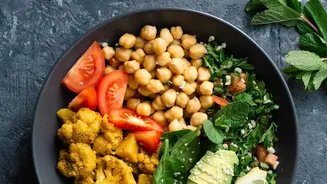
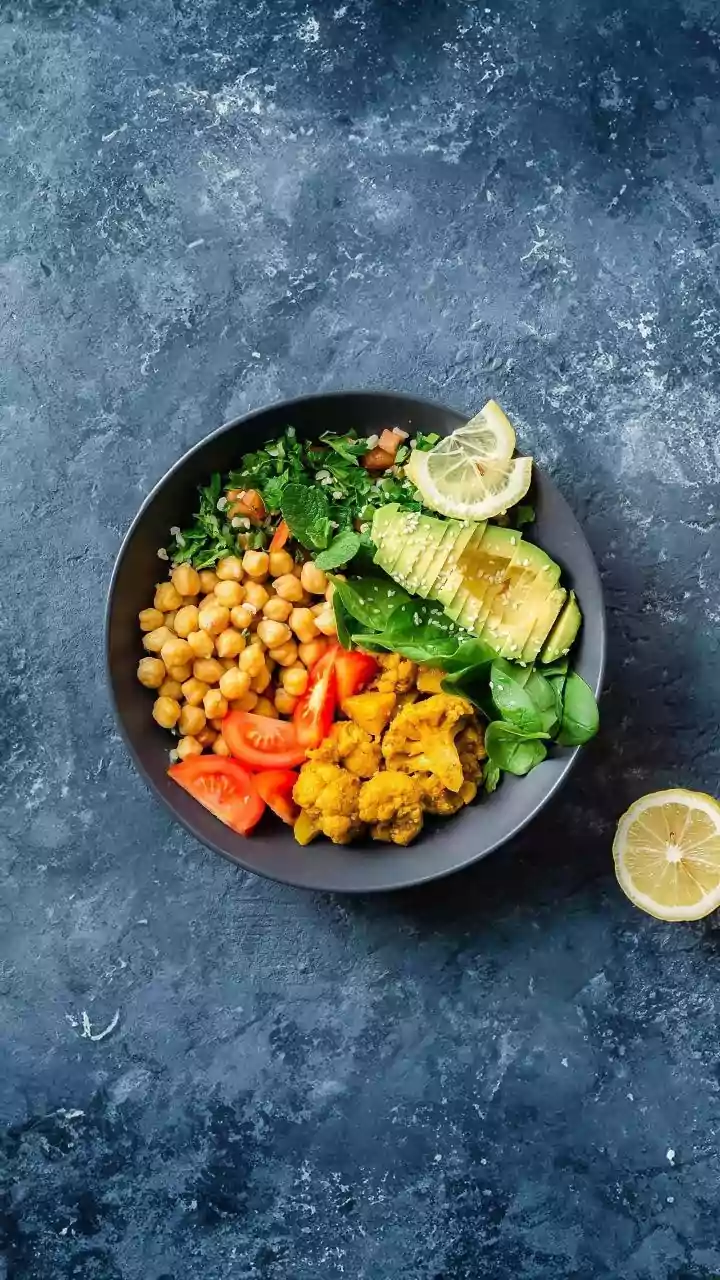
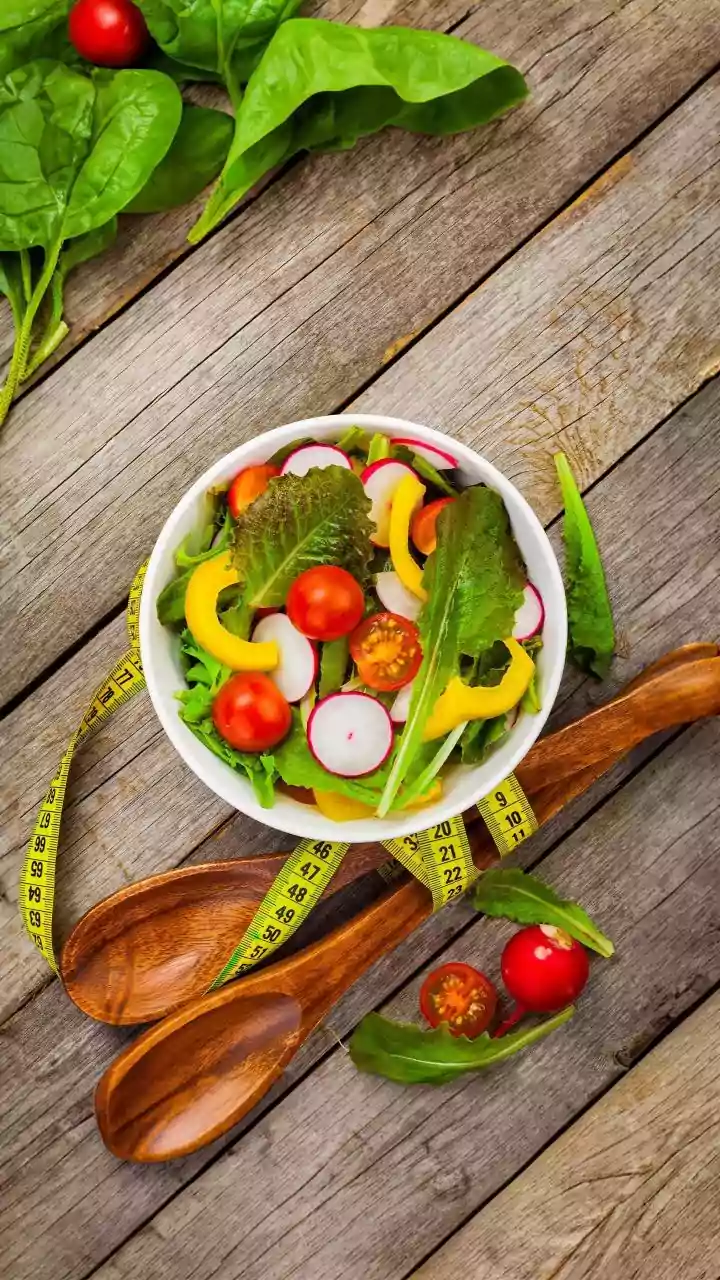
The simplest rule for ensuring dietary diversity is to “eat the rainbow.” Different colours in fruits and vegetables signify the presence of different phytonutrients—powerful compounds that protect the body. For instance, red foods like tomatoes and watermelon contain lycopene, which supports heart health. Orange and yellow foods like carrots and sweet potatoes are rich in beta-carotene for vision and immunity. Green leafy vegetables such as spinach and methi are packed with folate and vitamin K. Blue and purple foods like brinjals (eggplant) and jamun contain anthocyanins, which have antioxidant properties. Aiming to include several colours on your plate each day ensures you get a wide spectrum of these protective compounds. This doesn’t require exotic ingredients; it simply means looking beyond your usual vegetable choices and embracing the abundance of produce available locally.
Simple Swaps for a More Diverse Thali
Increasing variety doesn't mean overhauling your entire way of cooking. Small, consistent changes can make a huge difference. Think about your everyday Indian meals. Instead of using only white rice, try rotating in millets like jowar, bajra, or foxtail millet, which offer a different nutritional profile and more fibre. When making roti, experiment with multigrain atta or add flours like amaranth (rajgira) or buckwheat (kuttu). If you regularly cook with one type of lentil, such as toor dal, try incorporating moong, masoor, or chickpeas into your weekly rotation. You can also add more vegetables to dishes you already make, like grating carrots or beetroot into your roti dough, adding chopped spinach to your dal, or making chutneys from different vegetables like tomato or brinjal. Exploring regional recipes, such as a Tamil 'koottu' that combines vegetables and dal, is another excellent way to discover new combinations.