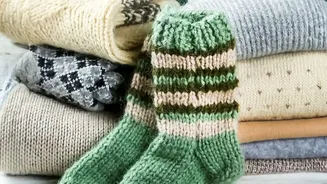







As temperatures drop, we reach for our cosy woollens. But what if your favourite sweater leaves you scratching? The culprit may not be the wool itself, but a hidden irritant left behind after washing, known as detergent residue.
Understanding the Itch
Many people believe they
are allergic to wool, but a true wool allergy is quite rare. More often, the discomfort comes from two main sources: the wool's fibre quality and skin irritation from external factors. Coarse, lower-quality wool has thick, stiff fibres that poke at the skin, triggering nerve endings that signal an itch. Finer wools like Merino have more flexible fibres that bend on contact, feeling much softer. However, even a soft sweater can become itchy. A common, often overlooked, cause is contact dermatitis triggered by leftover chemicals from your laundry routine. This residue, left clinging to fabric fibres, can turn a beloved garment into a source of constant irritation, especially on sensitive winter skin.
The Problem with Detergent Residue
Detergent is designed to lift away dirt, but if not rinsed out completely, it stays in your clothes. Wool fibres are particularly adept at trapping this residue. The main culprits in detergents that irritate the skin are surfactants (like SLS/SLES), synthetic fragrances, preservatives, and optical brighteners. These chemicals can strip the skin of its natural oils and disrupt its protective barrier, leading to redness, dryness, and persistent itching. The problem is often worse in areas with hard water, as minerals can bind with the detergent, making it harder to rinse away. Using too much detergent or an overloaded washing machine also prevents a thorough rinse, leaving more irritants behind.
Choosing the Right Detergent
The first step to an itch-free winter is selecting the right cleaning agent. Standard detergents can be too harsh for wool, stripping its natural lanolin oils and making the fibres rougher. Look for a liquid detergent specifically formulated for woollen and delicate fabrics. These are typically pH-neutral and free from harsh chemicals like phosphates, sulphates, bleach, and enzymes, which can damage delicate fibres. For those with sensitive skin, a hypoallergenic formula that is free from dyes and synthetic fragrances is the best choice. These gentler, often plant-based detergents clean effectively without leaving behind a cocktail of potential irritants.
The Perfect Wool Wash Routine
How you wash is just as important as what you wash with. Always follow the garment's care label. For machine washing, use a delicate or wool cycle with cold water. Hot water can cause fibres to roughen. It is crucial not to overload the machine, as clothes need space to move freely for the water to properly rinse them. When washing by hand, use cool water and gently squeeze the suds through the fabric without aggressive rubbing or wringing. The most critical step is rinsing. Consider running an extra rinse cycle on your machine to ensure every trace of detergent is gone. A thorough rinse is your best defence against residue buildup.
Softeners and Final Touches
For extra softness, you can turn to simple household items. Adding half a cup of white vinegar to the final rinse cycle can help dissolve any lingering detergent buildup and naturally soften the fibres. Some people also find success by soaking the garment in cool water with a small amount of hair conditioner for about 15–30 minutes before the final rinse. This can smooth the scales on the wool fibres, making them feel less prickly against the skin. Once washed, gently squeeze out excess water, reshape the garment, and lay it flat to dry away from direct heat or sunlight to prevent stretching and damage.