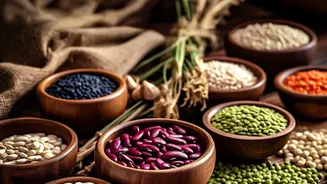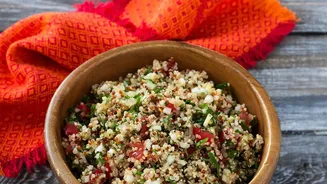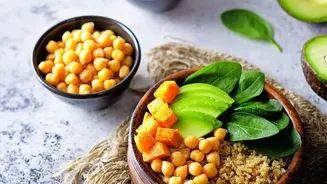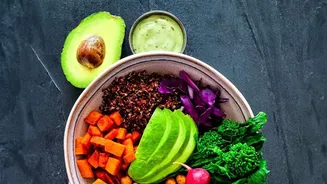






Quinoa and lentils are both champions of the healthy pantry, but they aren't interchangeable. Understanding their unique nutritional strengths helps unlock their full potential in your diet. So, which one should you reach for and when?
The Protein Perspective
Protein is a major
reason both foods are so popular. However, there's a key difference in protein quality. Quinoa is famously a 'complete protein', meaning it contains all nine essential amino acids your body can't produce on its own. This makes it a standout in the plant kingdom. Lentils, on the other hand, have significantly more protein overall—about 9 grams per 100g cooked, compared to quinoa's 4.4g. Lentils are considered an 'incomplete' protein because they are low in certain amino acids. But this is easily solved by pairing them with a whole grain like rice or bread throughout the day to create a complete protein profile.
Fibre for Fullness and Gut Health
When it comes to fibre, lentils are the undisputed winner. A serving of cooked lentils packs a massive punch of dietary fibre, often more than double what you'd find in the same amount of quinoa. One cup of cooked lentils can provide over half of your daily recommended fibre intake. This high fibre content is excellent for digestive health, promoting regular bowel movements and feeding healthy gut bacteria. It also helps you feel fuller for longer, which can aid in weight management by reducing overall calorie intake. While quinoa is still a good source of fibre, lentils have a clear advantage in this department.
A Tale of Two Micronutrients
Beyond the big macros, these two powerhouses offer different arrays of vitamins and minerals. Lentils are nutritional heroes when it comes to folate and iron. In fact, one cup of lentils can provide 90% of the recommended daily value for folate, a crucial B vitamin for cell growth. They are also an excellent source of iron, which helps fight fatigue. Quinoa shines in other areas, providing higher amounts of magnesium, manganese, and antioxidants. Magnesium is vital for muscle and nerve function, while manganese is important for bone health.
Carbohydrates and Energy Release
Both quinoa and lentils are considered low-glycemic-index (GI) foods, meaning they are digested slowly and don't cause a rapid spike in blood sugar. This provides a more sustained release of energy. However, lentils typically have a lower GI value than quinoa—around 32 for lentils versus about 53 for quinoa. This makes lentils a particularly good choice for individuals focused on blood sugar management. Their total carbohydrate counts are quite similar per serving, so the main difference lies in how your body processes them.
In the Kitchen: Texture and Versatility
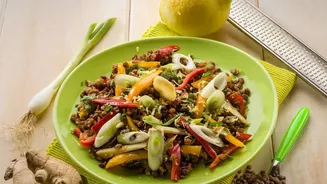
This is where their different roles become most apparent. Quinoa cooks up to be light, fluffy, and has a slightly nutty flavour, similar to a grain. This makes it incredibly versatile for salads, grain bowls, as a substitute for rice, or even as a breakfast porridge. Lentils are heartier and have an earthy flavour. Brown and green lentils tend to hold their shape well, making them great for salads and soups, while red lentils break down when cooked, creating a creamy, thick texture perfect for dals and stews. You cook quinoa by letting it absorb a specific amount of water, like rice, whereas lentils are often boiled in a larger volume of water and then drained, like pasta.