




Know Your Numbers
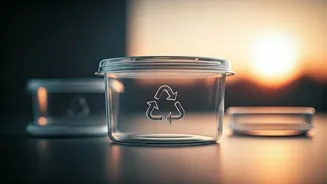
Not all plastics are the same. On the bottom of most containers, you'll find a small triangle with a number inside, from 1 to 7. This is the resin identification code. For food storage, the general consensus is that plastics with numbers 2 (HDPE), 4 (LDPE),
and 5 (PP) are the safest choices. Polypropylene (#5) is particularly common in reusable food containers because it is durable and has a high heat tolerance. It's best to be cautious with numbers 3 (PVC), 6 (Polystyrene), and 7 (Other), as they may contain chemicals like phthalates or Bisphenol A (BPA) that you don't want in your food.
The Microwave Minefield
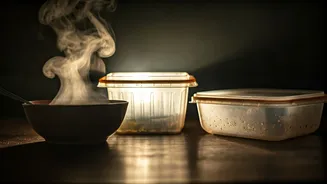
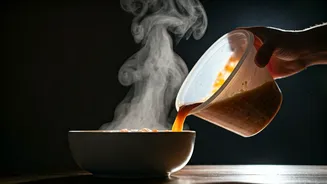
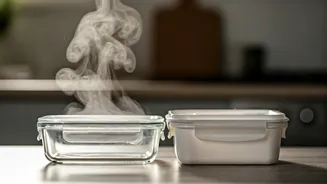
The single most important rule is to not microwave food in a plastic container unless it is explicitly labeled "microwave-safe". Heat can cause plastics to break down, accelerating the leaching of chemicals and the shedding of tiny microplastics into your meal. Studies have shown that even microwave-safe containers can release millions of microscopic plastic particles when heated. Single-use containers, like those from takeaways or margarine tubs, are definitely not designed for the microwave and can warp or melt, increasing chemical migration. When in doubt, the safest option is always to transfer food to a glass or ceramic dish before reheating.
Beyond 'BPA-Free'
Seeing a "BPA-free" label can be reassuring, but it doesn't automatically mean a plastic is 100% risk-free. BPA, an endocrine disruptor, was phased out of many products due to health concerns. However, some manufacturers simply replaced it with other chemicals like Bisphenol S (BPS) or Bisphenol F (BPF). Emerging research suggests these substitutes may have similar hormonal effects to BPA. This doesn't mean you should panic, but it's a good reminder that "BPA-free" is a starting point, not the end of the safety story. The best approach is to minimise heating any plastic, regardless of its label.
Respect the Wear and Tear
Your reusable plastic containers don't last forever. There's no strict expiry date, but their condition is the best indicator of their lifespan. It's time to retire a container if it's deeply scratched, cracked, cloudy, or permanently stained. These signs of damage are not just cosmetic; scratches can harbor bacteria that are difficult to wash away, and compromised plastic is more likely to leach chemicals. The same goes for containers that have a lingering smell you can't get rid of, or lids that have warped and no longer create a proper seal.
Cool, Clean, and Consider Alternatives
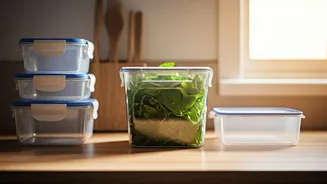
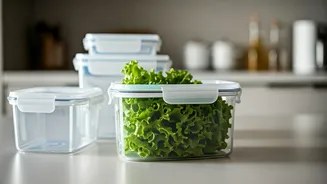
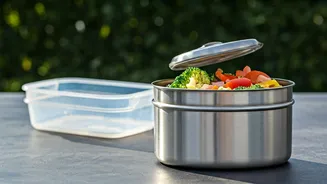
A few simple habits can drastically reduce any potential risks. Always let hot food cool down to room temperature before putting it in a plastic container. This minimizes the interaction between heat and plastic. When possible, wash containers by hand instead of using a high-heat dishwasher cycle, which can degrade the plastic over time. Avoid storing highly acidic or fatty foods in plastic for extended periods, as these can also increase the rate of chemical migration. Finally, for hot foods or long-term storage, consider using alternatives like glass or stainless steel containers. They are inert, durable, and offer peace of mind.