





More Than Just a Side Dish
When you think of curd in Indian cuisine, your mind might jump to raita, a cooling side dish, or perhaps a simple bowl of dahi with rice. But along India's vast coastline, curd (or buttermilk) is the star of complex, savoury, and soul-warming soups. These
aren't cold accompaniments; they are cooked, spiced, and often form the centrepiece of a meal. From Kerala’s Moru Curry to Karnataka’s Majjige Huli, these dishes represent a culinary tradition where flavour and function are perfectly intertwined. They are light on the stomach yet deeply satisfying, making them a staple in coastal homes, especially during humid weather.
The Science Behind the Soothing
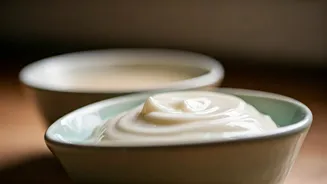
The headline claim of “ultimate gut health restoration” is a big one, but the science behind curd's benefits is solid. Homemade dahi is a powerhouse of live bacterial cultures, or probiotics. These are the 'good' bacteria that help maintain a healthy balance in your gut microbiome—the complex ecosystem of trillions of microbes living in your digestive tract. A balanced microbiome is linked to improved digestion, better nutrient absorption, and a stronger immune system. When you gently cook curd into a soup with ingredients like turmeric (anti-inflammatory), ginger (aids digestion), and asafoetida (reduces bloating), you’re creating a symphony of gut-friendly goodness. While no single food can 'restore' a gut overnight, consistently incorporating these probiotic-rich soups can significantly contribute to its overall health and resilience.
A Taste of the Coast: Kerala’s Moru Curry
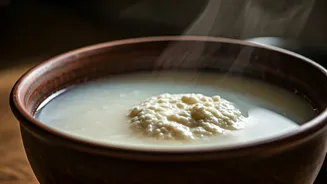
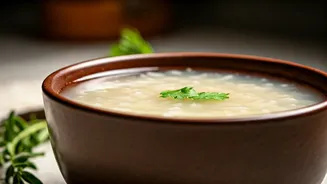
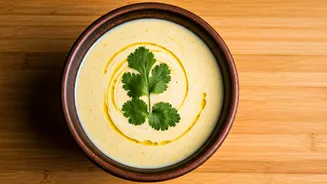
A classic example is the Malayali Moru Curry or Moru Kachiyathu. This simple, elegant soup is a staple in everyday meals. It’s typically made with sour buttermilk or whisked curd, gently heated—never boiled, to protect the live cultures—with a fragrant tempering of mustard seeds, curry leaves, fenugreek seeds, dried red chillies, and shallots. Often enriched with a paste of coconut and green chillies, its flavour is a delicate balance of sour, spicy, and savoury. It’s traditionally poured over hot rice, creating a meal that is at once comforting, light, and incredibly easy to digest. It embodies the principle of using simple, local ingredients to create something truly nourishing.
Further Down the Coast: Majjige Huli and More Kuzhambu
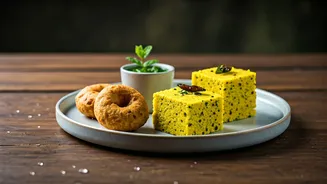
Travel to Karnataka and you’ll find Majjige Huli, a slightly thicker and more vegetable-forward version. Here, vegetables like ash gourd, cucumber, or bottle gourd are cooked in a spiced coconut-gram dal paste before being simmered in whisked sour curd. The result is a tangy, creamy curry that’s both a soup and a vegetable dish in one. Similarly, Tamil Nadu’s More Kuzhambu follows a similar principle, often including fried vadas or vegetables, creating a rich texture and flavour profile. What unites these regional variations is the core belief in the digestive and cooling properties of curd, transformed into a delicious, soupy main course.
Why the Trend Is Resurfacing Now
So why are these age-old recipes suddenly trending? The answer lies in a collective shift towards wellness and authenticity. In a world of processed foods and complex diet plans, there is a growing desire for simple, natural solutions. These coastal curd soups fit the bill perfectly. They are inherently gluten-free, easy to make, and use ingredients found in any Indian kitchen. The post-pandemic focus on immunity and digestive wellness has made people look inward—and into their own culinary heritage—for answers. This isn’t just about health; it’s a cultural rediscovery, celebrating the wisdom of our grandmothers’ kitchens in a modern context.