







What Exactly Is This AI Bot?
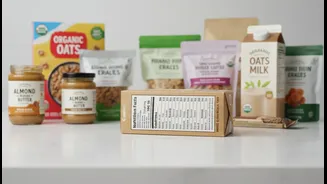
The National Institute of Nutrition is creating an AI-driven platform designed to demystify the food we eat, particularly pre-packaged products. Think of it as a smart search engine for your groceries. At the click of a button, you will be able to look
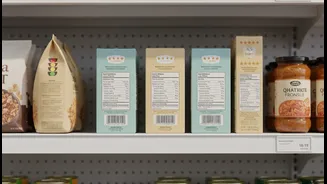
up a food product or brand and get a detailed breakdown of its nutritional profile. The initiative is a response to the rising consumption of packaged foods in India and the parallel increase in non-communicable diseases (NCDs) like diabetes and hypertension. The platform will analyze ingredients and nutritional information based on product labels, flagging key aspects to help consumers make more informed decisions. To build its database, NIN has partnered with a company whose existing app already contains information on over 75,000 food products.
The Powerful Potential Benefits
The primary benefit is accessibility. This tool aims to be a one-stop source for nutrition information, putting expert-level data into the hands of millions. For consumers, it could simplify complex food labels and expose hidden additives or high levels of sugar and salt. Beyond individual users, the bot has broader public health applications. It is expected to help researchers and policymakers analyze dietary trends, support studies on Indian eating patterns, and generate evidence for future policies like front-of-pack labelling. The collected data can also assist food manufacturers in reformulating their products to be healthier, allowing them to compare nutritional profiles and identify areas for improvement. By making nutrition data transparent and easy to understand, the bot could play a crucial role in tackling widespread health issues.
Understanding the Inherent Risks
While promising, deploying AI in public health is not without risks. A major concern is the accuracy and potential for bias in the information provided. AI models are only as good as the data they are trained on, and incomplete or outdated data can lead to misleading advice, which could be detrimental to health. There are also significant concerns about data privacy and security. These systems handle sensitive health information, and without robust safeguards, there is a risk of data breaches or misuse. Another challenge is the digital divide. For an AI tool to be equitable, it must be accessible to people across different socio-economic strata, not just those with smartphones and reliable internet. Finally, there's the risk of over-reliance on technology. AI can provide general information, but it cannot replace the nuanced, personalized advice from a registered dietitian or doctor who understands an individual's complete health history.
Practical Next Steps for Citizens
When the NIN's AI nutrition bot is launched, the best approach is one of informed curiosity. It is crucial to view it as a supplementary tool, not an absolute authority on health. Use it to check the nutritional content of packaged foods and to become more aware of what you are consuming, but always in context. For general guidance, it can be a helpful starting point. However, if you have specific health conditions, such as diabetes, allergies, or cardiovascular issues, the bot's advice is not a substitute for professional medical consultation. It is essential to continue discussions about your diet and health with your doctor or a qualified dietitian. They can provide tailored recommendations that an algorithm cannot. Ultimately, the power of this tool will lie in how we use it: as a guide to empower our choices, not as a replacement for professional care and personal judgment.