


The End of the Catalogue Look
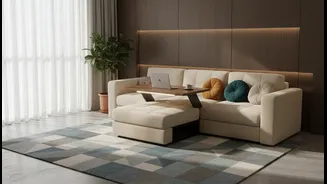
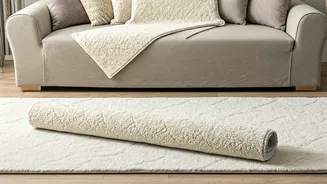
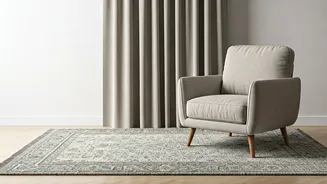
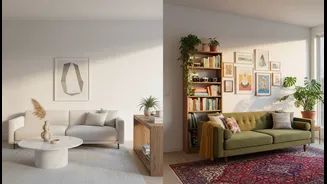
Remember the era of all-white walls, stark grey furniture, and surfaces so clear you could see your reflection? That ultra-minimalist aesthetic, heavily influenced by social media feeds and a desire for clean, uncluttered living, defined interior design
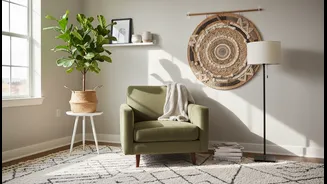
for the better part of a decade. Spaces were designed to be photographed, often lacking the warmth and character that makes a house a home. This "catalogue-perfect" look prioritised a restrained, almost generic style over individual expression. But after years of living in what some designers call cold, gallery-like spaces, people are craving interiors that feel more comforting, functional, and, above all, personal.
Enter 'Curated Maximalism'
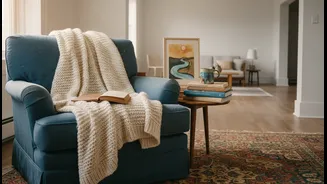
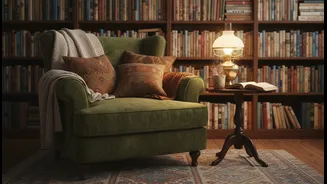
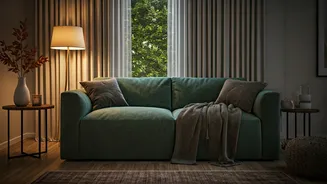
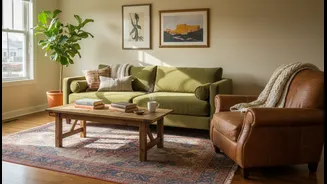
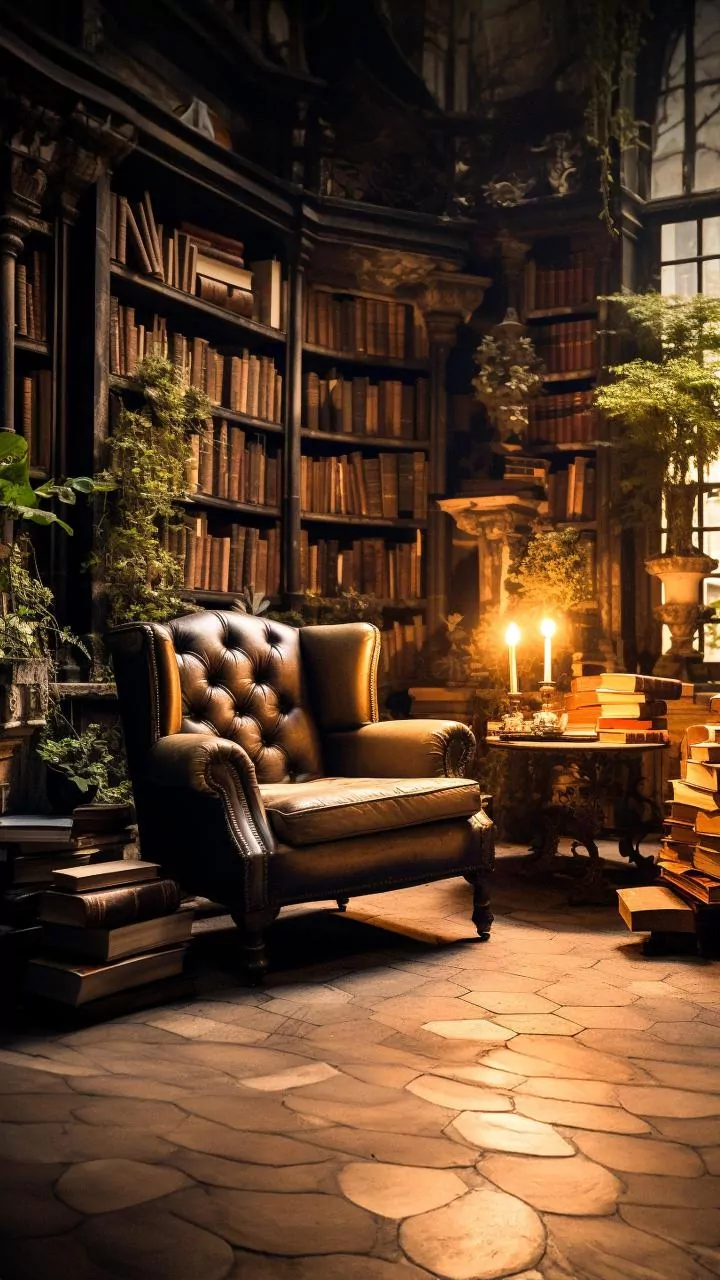
The pendulum is swinging firmly in the other direction, towards a style best described as 'curated maximalism'. This isn't about chaos or hoarding. Instead, it’s a confident and joyful expression of self. Think deep jewel tones like sapphire and emerald, rich textures like velvet and leather, and the fearless layering of patterns. The new approach to maximalism is about telling a story with your belongings. It’s about creating a home filled with meaningful objects, travel mementos, and cherished family heirlooms that spark joy and reflect a unique personal journey. It’s the difference between a house that is staged for a magazine and a home that is truly lived-in.
A Desire for Authenticity and Comfort
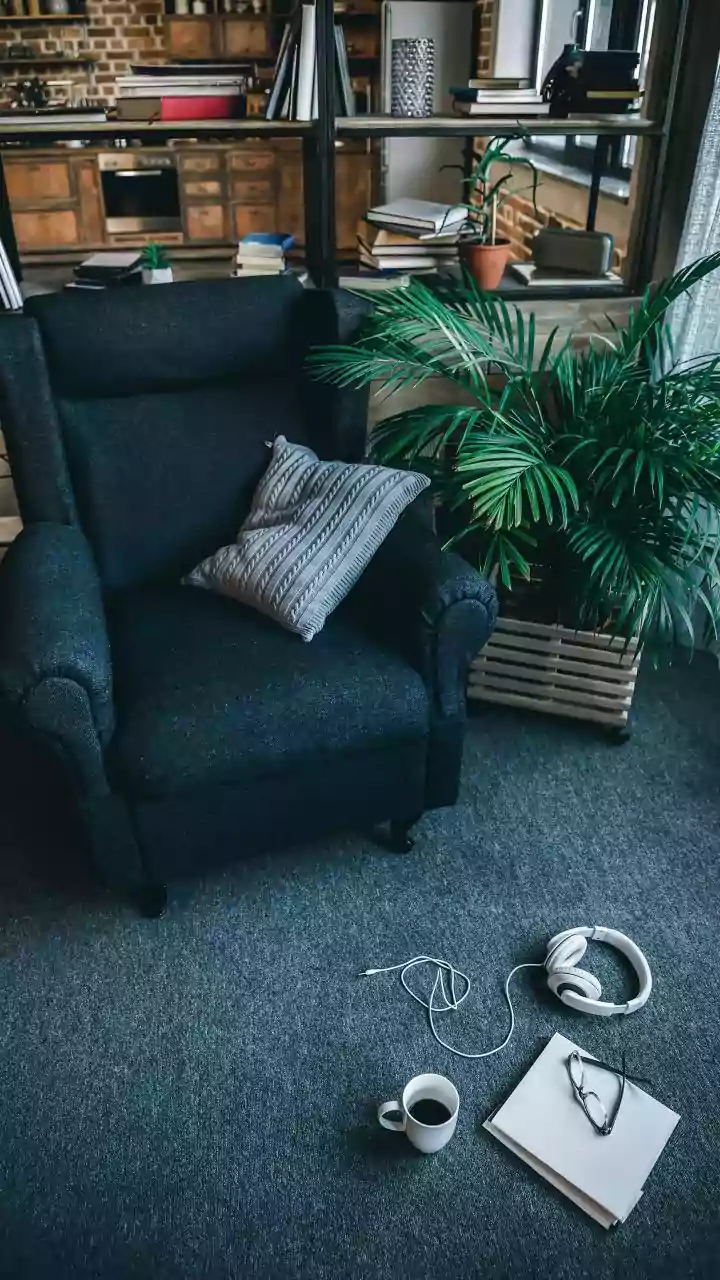
So, why the sudden shift? The reasons are rooted in a broader cultural change. After spending more time at home in recent years, many of us realised the importance of our environment on our mood and well-being. There's a growing desire for homes that feel like sanctuaries—places of comfort and emotional grounding, not sterile showrooms. This has led to a renewed appreciation for warmth, softness, and things with history. We're seeing a return to natural materials like wood and stone, and a love for vintage finds that bring a sense of character and permanence into a space. It's a rejection of 'fast fashion' for interiors and an embrace of quality, craftsmanship, and sustainability.
Making Personality the Priority
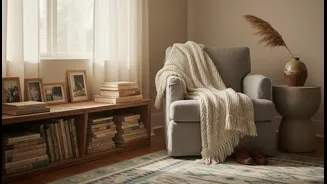
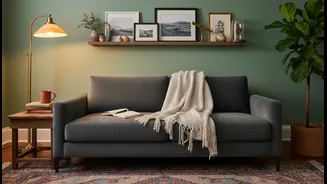
Embracing this new philosophy doesn't require a complete overhaul. It's about making intentional choices that reflect who you are. Start by adding a bold splash of colour. Designers note that warm neutrals like terracotta and deep burgundy are replacing cool greys. Display your collections proudly, whether it's books, art, or ceramics. Mix old with new, pairing a modern sofa with a vintage lamp passed down from your grandmother. The goal is to create layers of interest and meaning. Every object should contribute to the overall story of the room. It’s about creating a space that feels balanced and deeply personal, not just ready for photos.
A Return to Indian Roots
In many ways, this global trend towards personality-filled interiors resonates deeply with traditional Indian homes. For generations, Indian households have been inherently maximalist, filled with vibrant colours, intricate textiles, and collections of objects that hold familial and cultural significance. The art of layering patterns, textures, and personal treasures has long been a part of the subcontinent's design DNA. The shift away from a stark, Western-influenced minimalism can be seen as a confident return to these roots, celebrating a rich heritage of craftsmanship and storytelling within the home.