




What Are the Proposed BS-VII Norms?
The Ministry of Road Transport and Highways has released draft rules for BS-VII, the next level of emission standards for new vehicles. Unlike previous updates that primarily focused on tightening tailpipe emission limits, BS-VII introduces a more holistic
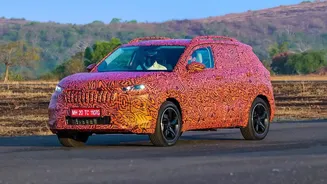
approach to curbing pollution. The proposed regulations will be rolled out in phases, starting with new passenger cars and SUVs from April 1, 2029. Light commercial vehicles will follow in 2030, with heavy-duty trucks and buses coming under the new rules in 2031. The core idea is to ensure vehicles are clean not just in a lab but throughout their entire operational life on actual Indian roads.
The Shift to Real-World Monitoring
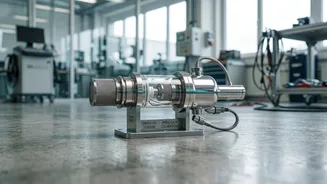
A key feature of the proposal is the strengthening of Real Driving Emissions (RDE) testing. While a form of RDE was introduced with BS-VI Phase 2, the new norms will make this monitoring more stringent and continuous. Vehicles will need to be equipped with On-Board Monitoring (OBM) systems. These systems will continuously track critical pollutants like Nitrogen Oxides (NOx) and Particulate Matter (PM), ensuring cars comply with standards during everyday driving conditions—be it in city traffic, on highways, or on hilly terrain. The rules also mandate an On-Board Diagnostics (OBD) system that can flag when emissions exceed the prescribed limits.
Beyond the Tailpipe
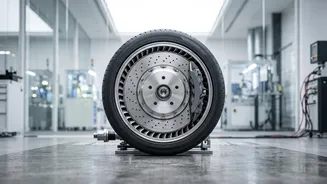
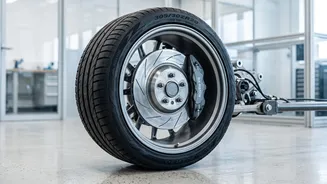
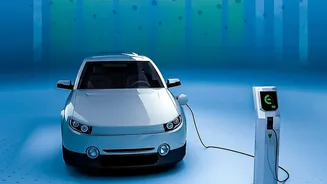
For the first time, Indian regulations will look beyond exhaust fumes. The BS-VII draft proposes limits on pollution from non-exhaust sources, which is a major development. This includes particulate matter generated from brake pad wear and microplastics shed from tyre abrasion. These sources are significant because even a zero-emission electric vehicle (EV) still produces these particles. The proposal sets specific limits for brake particle emissions, with different standards for EVs and traditional engine vehicles, which will be unified by 2035. This acknowledges that cleaning up air quality requires tackling all sources of vehicle-related pollution.
What It Means for Automakers
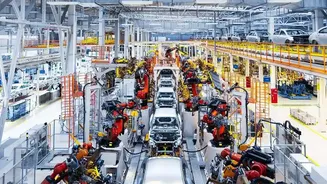
Car manufacturers will face significant engineering challenges. To comply, they will need to invest heavily in advanced emission control systems, more sophisticated sensors, and durable components that perform consistently over many years and kilometres. The rules propose that vehicles must meet emission standards for up to 160,000 kilometres or eight years, with an extended lifetime of 200,000 km or 10 years. The draft also introduces durability standards for EV batteries, requiring them to retain a certain percentage of their capacity over time. These demands will increase R&D and production costs, which will likely be passed on to the consumer.
Impact on Car Buyers
For the consumer, the most immediate impact of BS-VII will likely be an increase in the upfront cost of new vehicles. This could be especially noticeable in the budget and entry-level segments. However, the new rules also bring several benefits. Vehicles will be technologically more advanced and potentially more fuel-efficient. Buyers will also receive an 'Environmental Vehicle Passport', a new document providing transparent information on a vehicle's emissions, fuel consumption, and battery health. This empowers buyers with clear, real-world data about their vehicle's environmental performance.