




Could a common snack hold a secret to better memory? A recent study on older adults and peanuts has generated buzz, linking daily consumption to cognitive benefits. But before you stock your pantry, it’s crucial to understand the details.
The Core Finding
Recent research
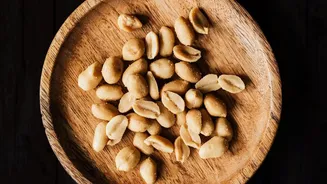
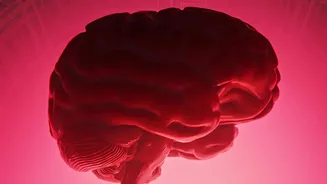
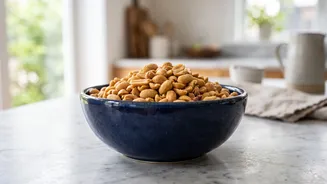
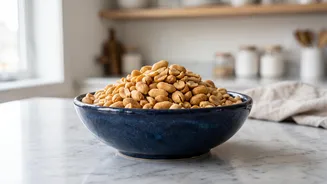
has suggested a fascinating link between eating peanuts and brain function in adults over 60. One particular study from Maastricht University found that participants who consumed about two servings (around 60 grams) of unsalted, skin-roasted peanuts daily for 16 weeks showed measurable improvements. Specifically, they observed better verbal memory and increased blood flow to parts of the brain associated with memory and cognition. The improvement in verbal memory was modest but statistically significant, with participants correctly recalling more words in a memory test after the peanut intervention compared to a control period without peanuts.
Behind the Science
So, what is it about peanuts that might give them this brain-boosting potential? Researchers believe it's not one single component but a combination of powerful nutrients. Peanuts are rich in L-arginine, an amino acid that helps the body produce nitric oxide, which in turn relaxes blood vessels and improves circulation. Better blood flow means more oxygen and nutrients can reach the brain, supporting its function. Additionally, peanuts contain healthy unsaturated fats, protein, and potent antioxidants like resveratrol and other polyphenols, which are believed to protect brain cells from damage and support vascular health. Some research also points to niacin (a B vitamin) and Vitamin E in peanuts as key nutrients for protecting against age-related cognitive decline.
A Reality Check: The Limitations
While the findings are promising, it's essential to put them in context, as the headline of the study itself suggests. The research involved a very small group of participants—just 31 healthy older adults in one key trial. This small sample size means the results might not apply to the general population. Scientists and the study's own authors emphasize that these findings are preliminary. Much more extensive research with larger, more diverse groups of people is needed to confirm if these benefits are real and repeatable. It is also important to remember that such studies often show associations, not direct cause-and-effect. Many factors influence cognitive health, and it's unlikely one single food can prevent age-related memory loss.
So, Should You Eat More Peanuts?
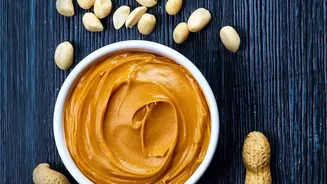
This research adds to a growing body of evidence that dietary patterns rich in plant-based foods, nuts, and healthy fats can support long-term brain health. Peanuts are a nutritious, affordable, and accessible food. Incorporating a handful of unsalted, skin-on peanuts into a balanced diet is unlikely to be harmful and may offer health benefits. However, relying on peanuts alone as a magic bullet for memory is not advisable. Experts consistently recommend a holistic approach to brain health, which includes a varied and nutritious diet (like the Mediterranean diet), regular physical exercise, social engagement, and adequate sleep. Making a drastic dietary change based on a single, small study is not recommended.