







From Owning Things to Living Experiences
For decades, the Indian dream was rooted in tangible assets. Today, for many millennials and Gen Z, the focus has shifted from material ownership to creating a life rich with experiences. Recent reports show a significant trend where spending on experiences like
travel, concerts, and workshops is projected to outpace spending on physical goods. This isn't just about big-ticket holidays; it's also about local, impulsive activities like food trails, escape rooms, and weekend wellness retreats that are becoming regular features of urban life. According to a report based on UPI transactions in the first half of 2026, travel and entertainment were among the strongest discretionary spending categories, with significant growth coming from Tier 2 and Tier 3 cities. This reflects a deep-seated desire to create memories and collect stories, not just possessions.
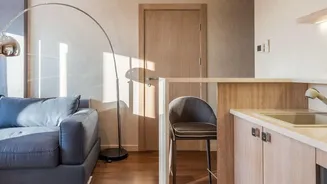
The Home as a Personal Sanctuary
The definition of lifestyle spending has also moved indoors. The home is no longer just a place to live; it's a canvas for self-expression and a hub for well-being. Young consumers are increasingly investing in categories that enhance their domestic environment. This includes everything from artisanal coffee and gourmet food items to ergonomic home office furniture and sustainable home decor. The direct-to-consumer (D2C) boom has played a massive role here, with hundreds of new brands emerging in categories like home goods, personal care, and electronics. These brands, often discovered on social media, offer niche products that allow consumers to curate a personal space that reflects their values and aesthetics, from a well-stocked bookshelf to a high-end skincare shelfie.
Investing in Personal Growth and Hobbies
Another burgeoning category is personal enrichment. Young Indians are spending on hobbies and skills that contribute to their identity and well-being. This can range from buying professional-grade equipment for content creation to enrolling in pottery classes, learning a new language via an app, or investing in high-quality gear for a marathon. This spending is an investment in the self. It aligns with a generation that values continuous learning and personal development. Brands are noticing this shift, with many D2C companies now catering to niche hobbies, from premium pet care products for 'pet parents' to specialised food and nutrition products that align with wellness goals. This trend shows that 'lifestyle' now includes activities that build skills and foster personal identity.
The Influencers Behind the Choices
This expansion of consumer choice is heavily powered by social media and the creator economy. Platforms like Instagram and YouTube are no longer just for connection; they are the new storefronts and discovery engines. Studies show that a majority of Gen Z shoppers, in particular, look to influencers and content creators for shopping inspiration. Whether it's a skincare routine, a travel destination, or a new protein bar, these recommendations feel more authentic and relatable than traditional advertising. This has democratised trends, allowing new and digital-first brands to compete with legacy players by building communities and telling compelling stories. For this generation, a purchase is often an extension of their digital identity, influenced by the content they consume and the creators they trust.