


The Wisdom in the Water
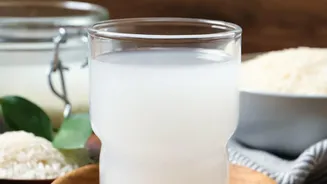
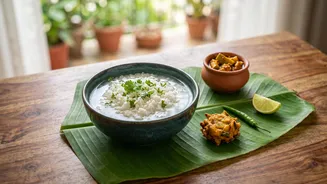
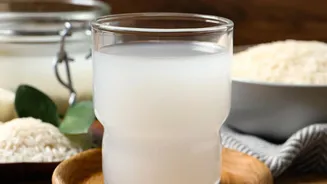
Before 'probiotic' became a wellness buzzword, there was Kanji, Pakhala, and Handia. These are not new, lab-formulated health shots but traditional fermented beverages with deep roots in Indian culinary heritage. Pakhala, a staple in Odisha, is made by
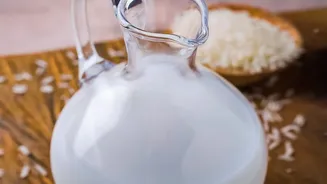
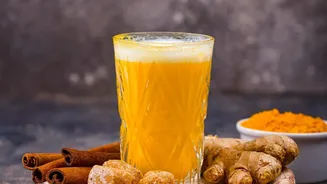
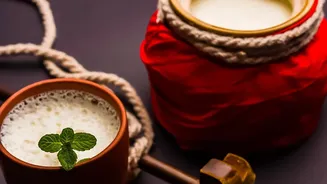
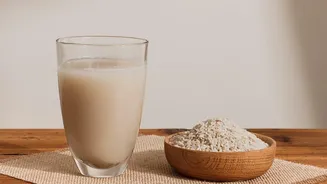
simply soaking cooked rice in water overnight, allowing it to ferment naturally. Similarly, Kanji, known across the country in various forms, can be made with rice, carrots, or beetroot, fermented with mustard seeds to create a tangy, live tonic. Known by many names—Panta Bhat in Bengal, Pazhaya Soru in Tamil Nadu—the principle remains the same: a simple, low-cost method of unlocking potent nutrition from a household staple. These drinks were traditionally consumed to cool the body in summer, aid digestion, and provide sustained energy for farmers and labourers.
The Science of Fermentation
The magic of these rice brews lies in the ancient science of fermentation. When cooked rice is left to ferment in water, naturally present microbes, including beneficial lactic acid bacteria, get to work. They break down the starches and anti-nutrients in the rice, making the minerals and vitamins more bioavailable. Research has shown that this process significantly increases the levels of essential nutrients like iron, potassium, and B vitamins, including the often hard-to-get Vitamin B12, making it a boon for vegetarian diets. These live bacteria act as powerful probiotics, helping to populate the gut with beneficial microbes that are crucial for digestion, immunity, and even mental clarity. Unlike many commercial probiotic drinks that can be high in sugar, these traditional brews offer a natural, low-calorie alternative.
From Humble Homes to Health Cafes
What was once a humble, everyday food is now experiencing a renaissance in urban India. As health-conscious consumers grow wary of highly processed foods and imported superfoods, there is a clear trend of looking inward towards local, sustainable wellness solutions. Trendy cafes and wellness hubs in cities are beginning to feature drinks like Kanji and Sol Kadhi on their menus, positioning them as desi alternatives to kombucha. This shift is driven by a desire for authenticity and a growing understanding that our own culinary traditions hold powerful health secrets. Foods that were once dismissed as 'old-fashioned' are being celebrated for their functional benefits, fitting perfectly into the modern narrative of clean eating and gut health.
More Than Just a Trend
The revival of these fermented rice drinks signifies more than just a passing wellness trend; it represents a powerful cultural reclamation. For generations, these concoctions were integral to regional diets, often linked to seasonal rhythms and community practices, like the celebration of Pakhala Dibas in Odisha. By embracing these drinks, urban Indians are not only boosting their gut health but also connecting with a rich culinary heritage that prioritised sustainability and holistic well-being long before it became fashionable. It's a move away from a one-size-fits-all global wellness model towards solutions that are rooted in local wisdom and adapted to the Indian context and gut.
Embracing the Brew at Home
The best part about this trend is its accessibility. You don't need expensive equipment or ingredients to reap the benefits. To make a basic rice kanji, you simply need to soak leftover cooked rice in water (preferably in a traditional earthen pot) and leave it to ferment overnight for 8-12 hours. In the morning, the slightly tangy water can be consumed, often with a pinch of salt and sometimes tempered with mustard seeds and curry leaves. Nutritionists advise that these homemade ferments can be more beneficial than some supplements, as they contain a diverse range of live bacteria perfectly suited to the local environment. While these drinks are generally safe, it's important to prepare them hygienically to ensure only beneficial bacteria thrive.