


The Philosophy of Sattvic Eating
The diet followed during Navratri is rooted in the Ayurvedic concept of 'sattvic' food. Sattvic foods are considered pure, light, and easy to digest, promoting mental clarity, calmness, and spiritual focus. The fast is seen as a way to cleanse the body
and mind, giving the digestive system a rest and redirecting energy toward spiritual practices. This is why foods categorised as 'rajasic' (stimulating) or 'tamasic' (heavy or dulling), such as onions, garlic, and heavily processed items, are avoided. The goal is to nourish the body in a way that supports a state of peace and devotion.
Grains and Flours: The Great Swap
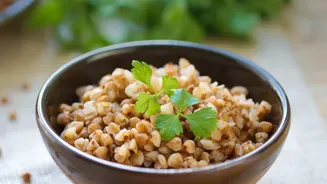
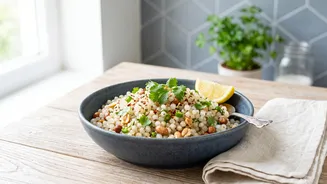
One of the most significant rules of Navratri fasting is the avoidance of common grains like wheat and rice. These are considered heavy and rajasic. Instead, the focus shifts to a variety of alternative flours and pseudo-grains that are lighter and gluten-free. Popular choices include Kuttu ka atta (buckwheat flour), Singhare ka atta (water chestnut flour), and Rajgira ka atta (amaranth flour). For those who miss rice, Samak ke chawal (barnyard millet) serves as a common substitute, used to make khichdi and pulao. Sabudana (tapioca pearls) is another fasting staple, used for making everything from khichdi to vadas.
Vegetables: What’s In and What’s Out
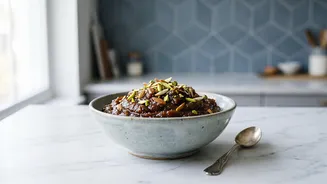
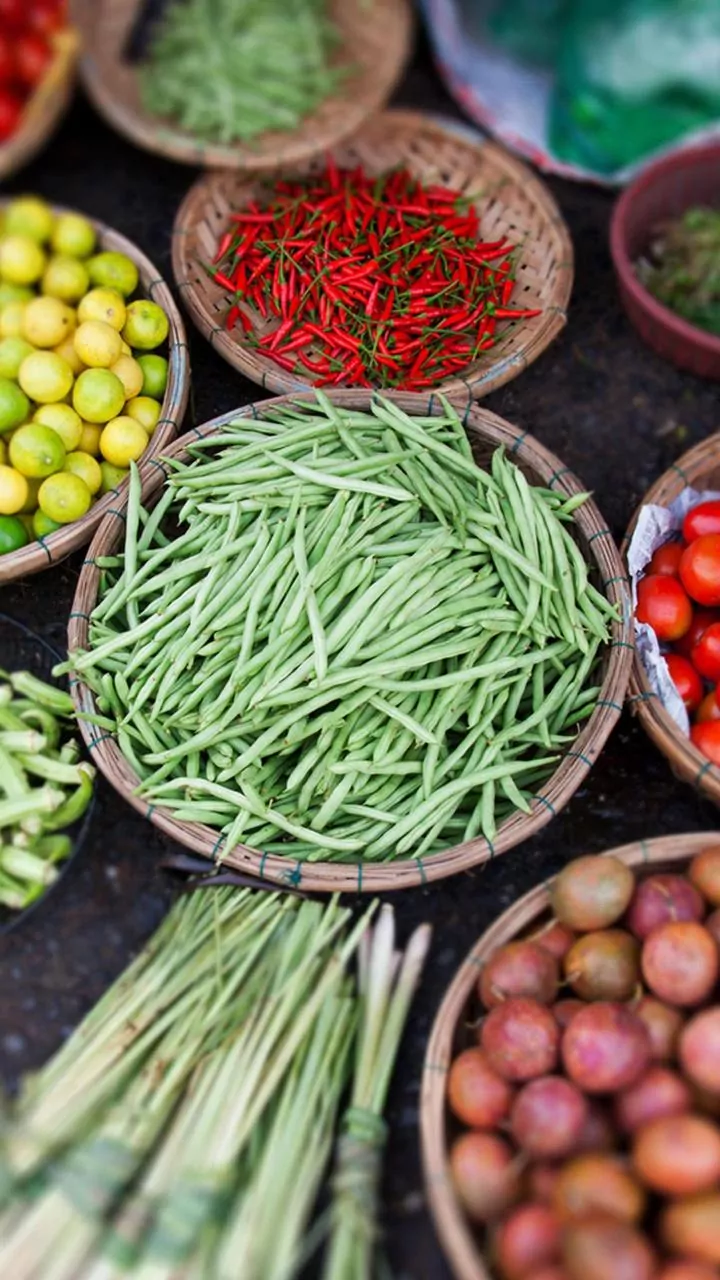
The list of permitted vegetables is specific. Root vegetables like potatoes, sweet potatoes (shakarkandi), arbi (colocasia), and yam are widely used. Other popular choices include pumpkin, lauki (bottle gourd), cucumber, and raw banana. The most notable exclusions are onion and garlic. According to Ayurveda, they are considered tamasic and rajasic, believed to generate heat and distract the mind from its spiritual focus. Many other vegetables like cauliflower, brinjal and mushrooms are also commonly avoided.
Spices and Seasonings: The Salt Shift
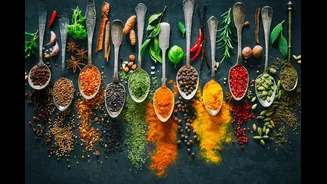
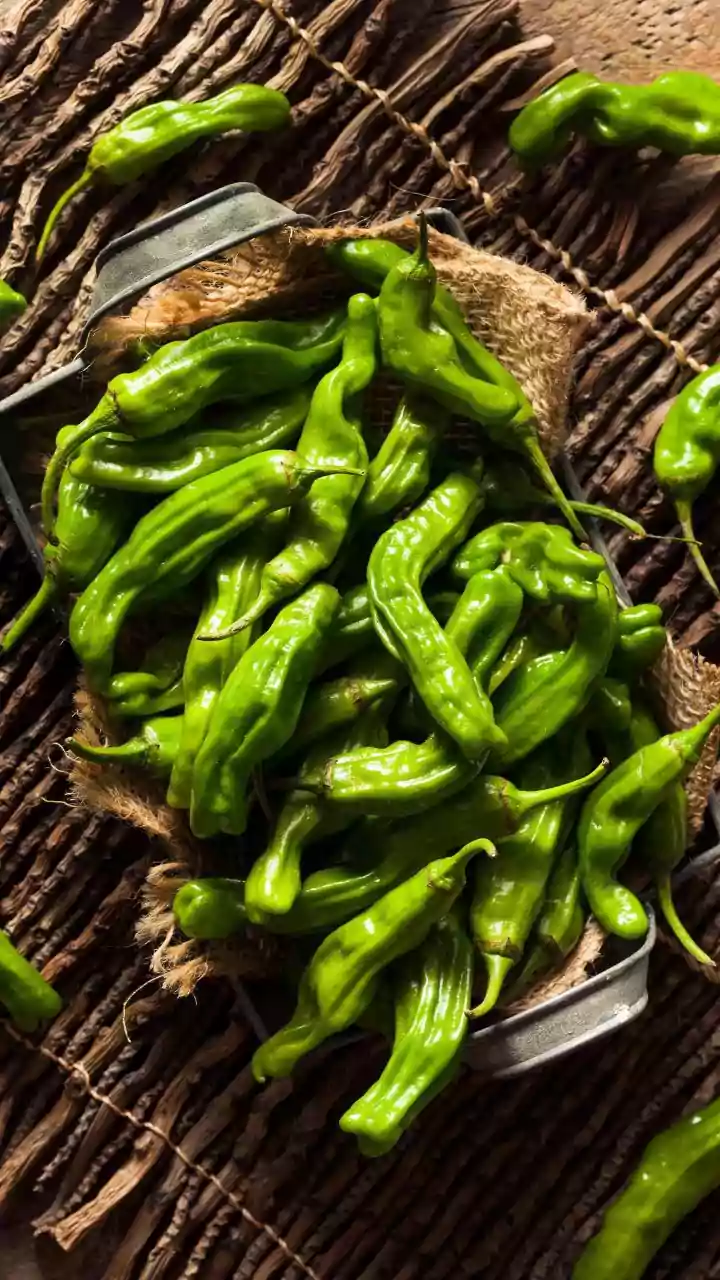
During Navratri, regular table salt is replaced with Sendha Namak, or rock salt. This is because rock salt is unrefined and considered a purer form of salt, aligning with the sattvic philosophy. It is rich in minerals and is believed to be cooling for the body, unlike processed table salt. While many strong spices are avoided, a select few are used to add flavour. Cumin (jeera), black pepper, green chillies, cloves, and cinnamon are commonly used to season vrat dishes. Spices like turmeric, asafoetida (hing), and garam masala are generally prohibited.
Dairy, Fruits, and Nuts: The Fasting Staples
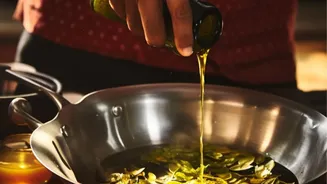
Dairy products are an essential part of the Navratri diet, providing crucial protein and calcium. Milk, yogurt (curd), paneer, and buttermilk are all permitted and encouraged. They are considered sattvic and help maintain energy levels. All fruits are allowed, offering natural sugars and hydration. Nuts and seeds, such as almonds, walnuts, and peanuts, are also staples. Another popular snack is makhana (fox nuts), which can be roasted in ghee and seasoned with rock salt for a light yet filling option.