


1. Kuttu Ka Cheela (Buckwheat Crepe)
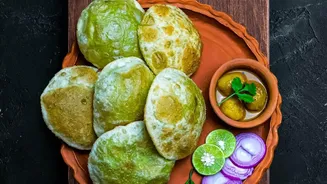
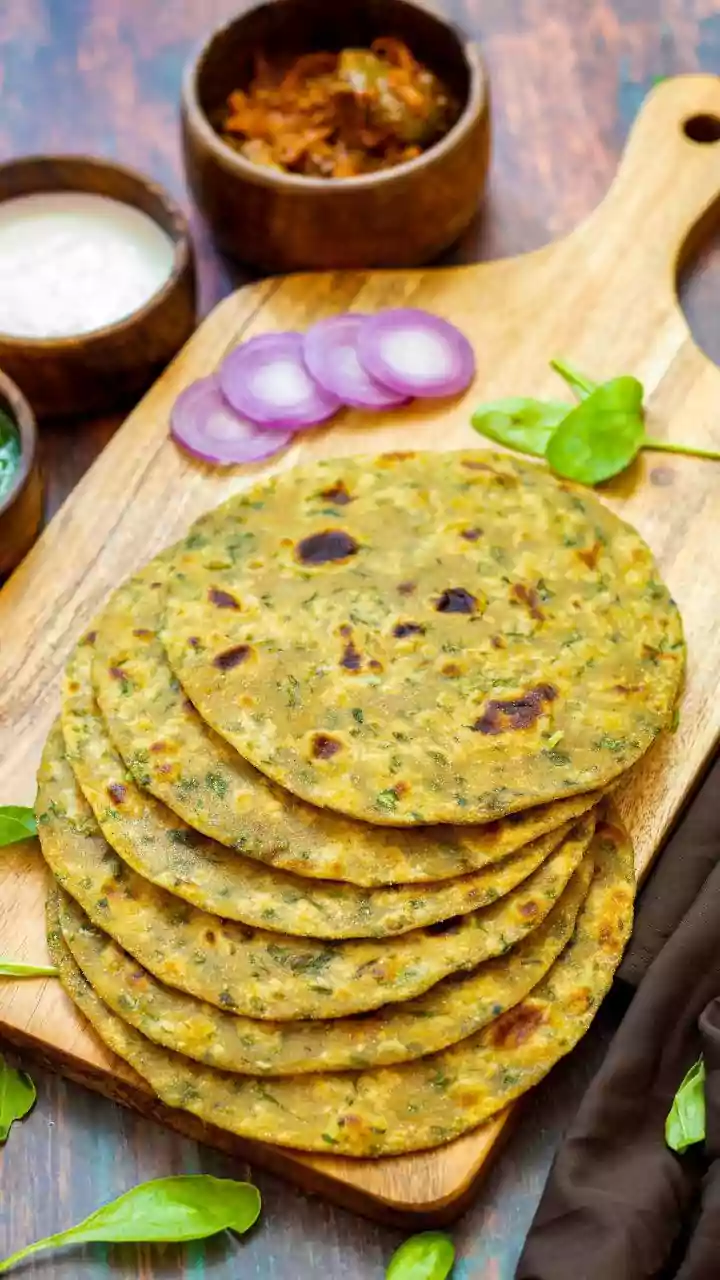
Move over, puris and pakoras. The kuttu ka cheela, or buckwheat crepe, is a light, nutritious, and incredibly versatile breakfast option. Buckwheat is a pseudo-grain packed with protein and fibre, making it a fantastic source of sustained energy for the
day. The batter is simple to prepare, typically combining kuttu ka atta (buckwheat flour) with water, sendha namak (rock salt), and finely chopped green chillies and ginger. You can also mix in grated vegetables like bottle gourd (lauki) or boiled potato for extra substance and softness. Cooked on a hot tawa with a touch of ghee until golden and crisp, these savoury crepes can be enjoyed plain or stuffed with a filling of grated paneer or spiced potatoes. It’s a wholesome start that feels both indulgent and remarkably healthy.
2. Samak Dosa (Barnyard Millet Crepe)
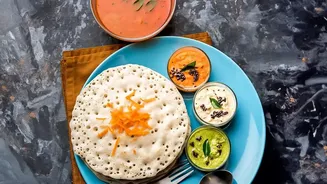
Samak ke chawal, or barnyard millet, is another fasting essential that often gets made into a simple khichdi. But its potential is far greater. By grinding soaked samak rice into a batter, you can create wonderfully crisp dosas. Some recipes recommend adding a little sabudana or singhare ka atta (water chestnut flour) to the batter for better binding and texture. The process is similar to making a regular dosa: pour the batter onto a hot pan and spread it thin. These dosas have a delightful, slightly grainy texture and a neutral taste that pairs perfectly with a simple vrat-friendly potato filling and a side of coconut or mint chutney. It's a fantastic way to enjoy a South Indian classic while adhering to your fasting traditions, offering a low-calorie yet satisfying meal.
3. Singhare Ka Halwa (Water Chestnut Flour Pudding)
For those who prefer a sweet and comforting start to their morning, Singhare ka Halwa is an excellent choice. Made from singhare ka atta (water chestnut flour), this dish is rich, flavourful, and provides a good dose of energy. The flour is first roasted in ghee until it turns fragrant and a deep brown colour, which is the key to its nutty flavour. Then, water and sugar are added, and the mixture is cooked until it thickens into a glossy, pudding-like consistency. Flavoured with cardamom powder and garnished with sliced almonds and pistachios, this halwa is a classic fasting delicacy. Unlike semolina or wheat-based halwas, it is naturally gluten-free and has a uniquely smooth texture. It is a warm, hearty dish that feels truly festive.
4. Vrat-Friendly Aloo Tikki
Potatoes are the undisputed king of fasting foods, but they can be prepared in ways far more exciting than a simple curry. Vrat-friendly aloo tikkis are a perfect example. These savoury potato patties are crisp on the outside and soft on the inside. The recipe involves mashing boiled potatoes and mixing them with sendha namak, crushed roasted peanuts for crunch, and spices like cumin powder and chopped green chillies. To bind the mixture, a vrat-approved flour like kuttu ka atta, rajgira atta (amaranth flour), or singhare ka atta is used. The tikkis are then shaped and shallow-fried in ghee until golden brown. Served hot with a dollop of yogurt and a sprinkle of coriander, they make for a substantial and incredibly flavourful breakfast or snack.
5. Creamy Makhana Kheer
Makhana, or fox nuts, are a nutritional powerhouse, rich in protein and low in calories. While often enjoyed as a roasted snack, they can also be transformed into a delectable kheer. This creamy dessert is simple to make and requires only a few ingredients. Lightly roasted makhanas are simmered in milk until they become soft. The mixture is then sweetened with sugar or jaggery and flavoured with cardamom and saffron. Some makhanas can be coarsely ground to help thicken the kheer naturally. Garnished with chopped nuts like almonds and pistachios, makhana kheer is a luxurious and sattvic dish that can be served warm or chilled. It’s a lighter alternative to rice or sabudana kheer, yet equally comforting and delicious.