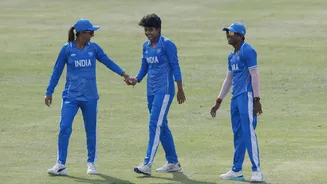






The Stage: A High-Pressure Knockout
This was not just another T20 match; it was the semi-final of the Asian Games, with a medal on the line. The pressure on the Indian team, the defending champions, was immense. A loss would mean playing for bronze, a disappointment for a team of India's
calibre. Sent in to bat first, India needed a flying start to put the opposition under pressure, and Shafali Verma provided just that. She walked out knowing that a significant contribution was needed to secure a path to the gold medal match against Sri Lanka. This context of a must-win game elevates any performance, turning a great innings into a legendary one.
A Record-Breaking Spectacle
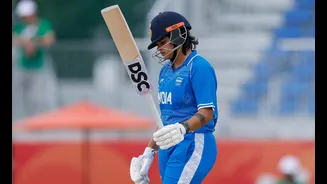
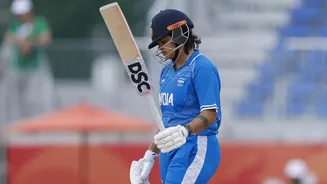
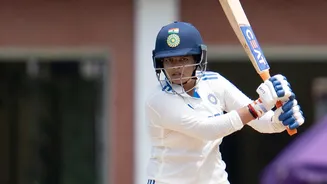
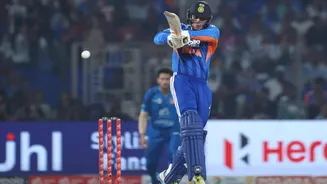
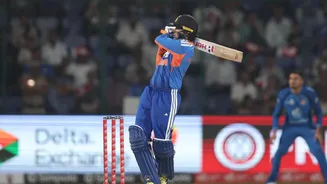
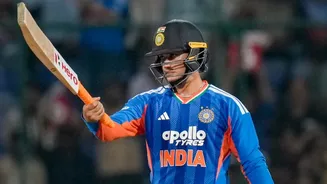
Shafali didn't just score a century; she rewrote the history books. Her hundred was the first ever scored by a woman in the history of the Asian Games. It was also her maiden T20 International century, a landmark she reached off the final ball of the innings. The 49-ball effort also equalled the record for the fastest T20I hundred by an Indian woman, tying with captain Harmanpreet Kaur. The innings was built on raw power, featuring a staggering nine sixes. This display of force not only demoralised the Bangladesh bowlers but also saw her become India's leading six-hitter in women's T20Is.
An Innings of Pure Dominance
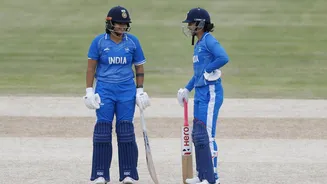
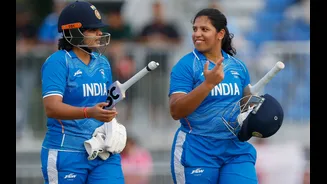
From the outset, it was clear Shafali was in devastating form. Alongside Smriti Mandhana, she powered India to 72 runs within the powerplay, setting a blistering pace. While Mandhana departed for a quick 37, Shafali took complete control. She brought up her fifty in just 26 balls before accelerating even further, repeatedly clearing the boundary with her trademark power. The Bangladesh bowlers had no answers as she dismantled their attack, particularly in the latter half of the innings. It was a one-woman show that single-handedly put the match beyond Bangladesh's reach before they even faced a ball.
The Impact on the Game and Tournament
Shafali’s knock was the bedrock of India's massive total of 195 for 4. This imposing score created immense scoreboard pressure on Bangladesh, who were never truly in the chase. Their innings folded for just 81, handing India a mammoth 114-run victory and a guaranteed silver medal. By propelling India into the final, her century was not just a personal milestone but the decisive performance that ensured India would play for gold. It sent a powerful message to their next opponents, Sri Lanka, and established her as the tournament's most destructive player.
A Statement of Intent
Beyond the records and the match result, this century was a statement from the 22-year-old opener. After a period of mixed form, this knock was a resounding return to her brutal best on one of the biggest stages. It reaffirmed her reputation as a big-match player, someone who thrives under pressure and delivers when it matters most. For a player known for her explosive starts, converting one into a match-winning hundred of this magnitude marks a significant step in her evolution as a world-class batter. It was an innings that was special not just for the runs scored, but for what it represented: history, power, and the promise of gold.