




The Two Pillars of Recovery
After you exercise, your body has two primary jobs: repair and refuel. Vigorous activity creates tiny micro-tears in your muscle fibres, which is a normal part of getting stronger. To repair this, your body needs protein. Specifically, it needs amino
acids, the building blocks of protein, to stitch those muscle fibres back together, bigger and stronger through a process called muscle protein synthesis. The second job is refueling. During a workout, your body uses stored carbohydrates, known as glycogen, for energy. Replenishing these glycogen stores is essential for restoring energy levels and preparing your body for its next challenge. Without adequate carbs, your body can't effectively use protein for muscle repair, making both macronutrients vital partners in your recovery.
The Plant Protein Puzzle
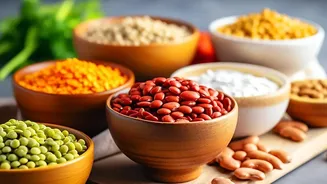
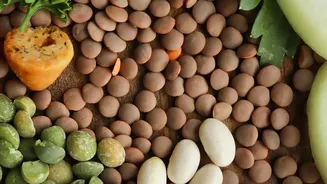
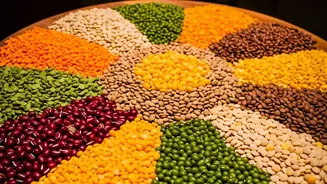
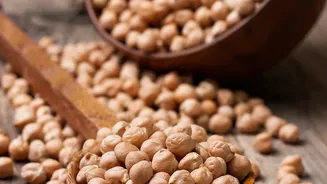
Animal proteins are often called 'complete' because they contain all nine essential amino acids that our bodies cannot produce on their own. Most plant-based foods, on the other hand, are 'incomplete', meaning they are low in one or more of these essential amino acids. For example, legumes like beans, lentils, and chickpeas are rich in the amino acid lysine but tend to be lower in methionine. Whole grains such as rice, wheat, and quinoa are the opposite; they have plenty of methionine but are lower in lysine. This doesn't make plant proteins inferior; it just means a little strategy is required to ensure you're getting the full spectrum of what your muscles need.
A Perfect Nutritional Pairing
This is where the magic of combining whole grains and legumes comes in. When you eat them together, their amino acid profiles complement each other perfectly. The lysine from the legumes fills the gap in the grains, and the methionine from the grains fills the gap in the legumes. The result is a meal that delivers a 'complete' protein profile, providing your body with all the essential building blocks it needs for effective muscle repair and growth. This principle is the foundation of many traditional diets around the world, long before the science was understood. The good news is that you don't necessarily have to eat them in the exact same meal. As long as you consume a variety of these complementary foods throughout the day, your body can pool the amino acids to get the job done.
Refueling the Glycogen Tank
While protein handles the repairs, the whole grains in this combination play the crucial role of refueling. The complex carbohydrates found in foods like brown rice, quinoa, and whole-wheat bread are broken down and stored as glycogen in your muscles and liver. Consuming carbohydrates post-exercise helps to replenish these depleted energy stores quickly and efficiently. This process is vital because it ensures your body has the energy it needs for the next day's activities and prevents it from breaking down muscle tissue for fuel. Some experts suggest a carbohydrate-to-protein ratio of around 3:1 for optimal recovery. This highlights why a simple plate of grains and legumes is such a powerhouse for post-workout nutrition.
Your Post-Workout Recovery Menu
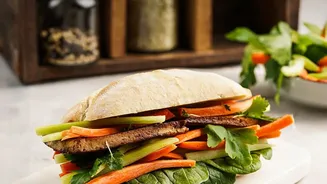
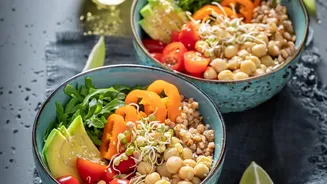
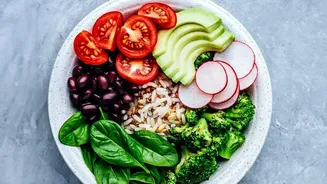
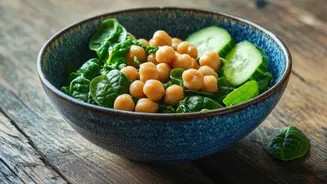
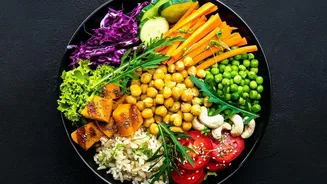
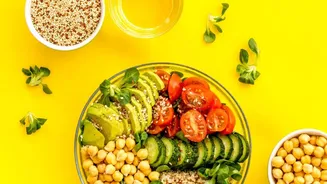
Putting this powerful combination into practice is both easy and delicious. Think beyond just a simple bowl of rice and beans. A classic Indian meal of dal (lentils) with whole-wheat roti or brown rice is a perfect example. Middle Eastern cuisine offers hummus (made from chickpeas) served with whole-wheat pita bread. For a refreshing lunch, a salad made with quinoa, black beans, corn, and a zesty lime dressing works wonderfully. You can also try lentil soup with a side of whole-grain toast or a burrito bowl filled with brown rice, pinto beans, and plenty of vegetables. These meals are not only effective for recovery but are also packed with fibre, vitamins, and minerals that support overall health.