
Beyond Butter Chicken
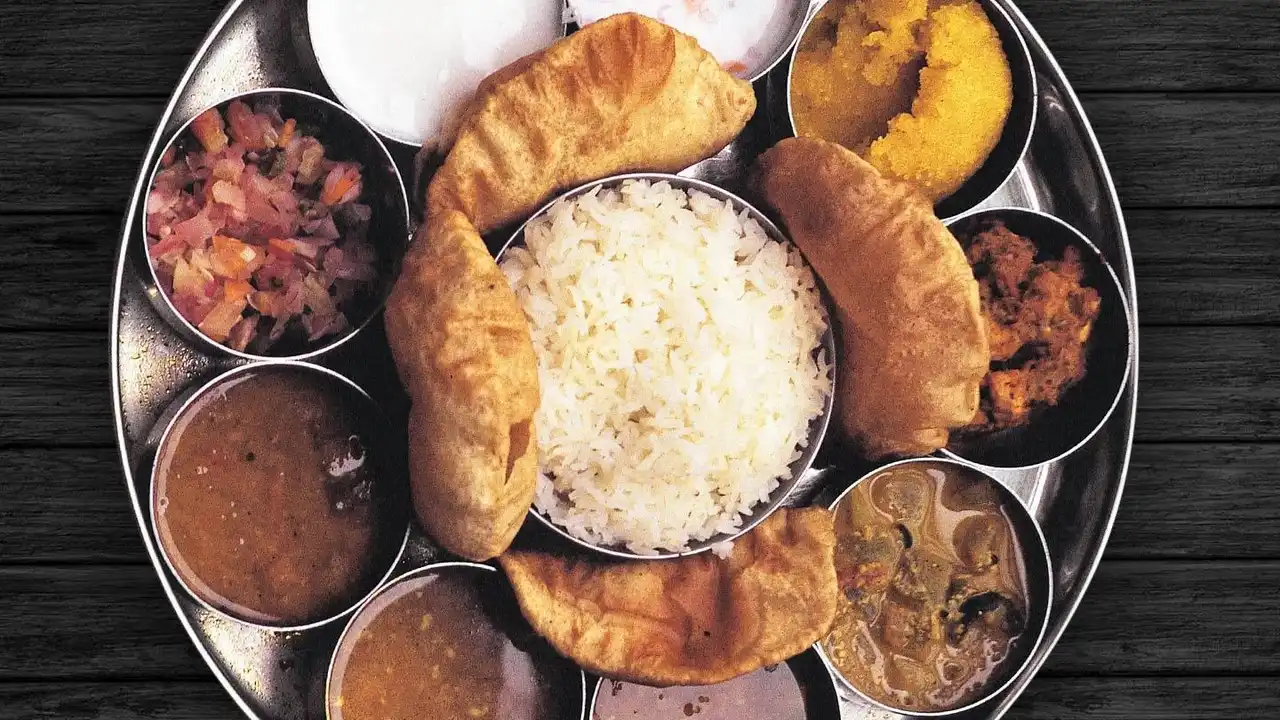
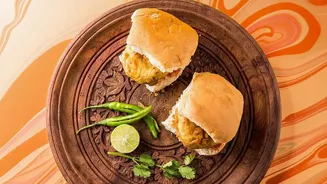
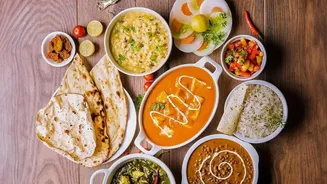
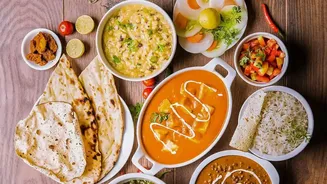
For years, the global understanding of Indian cuisine was often simplified to a handful of North Indian staples like butter chicken, naan, and samosas. While delicious, this narrow view overlooked the subcontinent's staggering culinary diversity. Today,
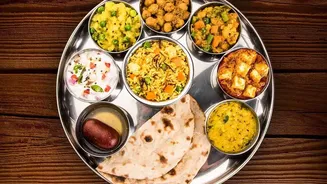
a new chapter is being written. Food lovers and chefs are looking beyond the generic 'curry' and discovering the distinct culinary identities of India's states and communities. This shift is driven by a growing appetite for authenticity, a desire to understand the story behind the food, and the voices of a new generation of Indian chefs and food writers eager to share their heritage. They are revealing that Indian food is not one cuisine, but dozens, each shaped by its own climate, history, and local ingredients.
The Chutney: A Regional Encyclopedia
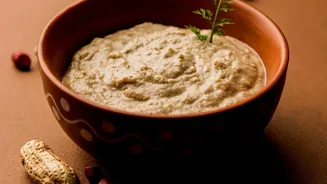
At the heart of this regional exploration is the chutney. Far more than a simple condiment, a chutney is a concentrated expression of its origin. The word itself comes from the Hindi 'chatni', meaning 'to lick'. Historically, chutneys were even used in Ayurvedic medicine to aid digestion. They can be fresh or cooked, smooth or coarse, fiery or sweet. Each one tells a story. A coconut-based chutney speaks of the coastal South, a mustard-laced one points to Bengal, and a fiery peanut and chilli blend reveals the robust flavours of Maharashtra. Exploring these small but mighty condiments is like unlocking a region's culinary DNA, revealing how local produce and traditions create unique flavour profiles that define a meal.
Maharashtra’s Fiery Spirit: Thecha
Travel to Maharashtra and you'll encounter thecha, a condiment that is less a smooth paste and more a coarse, powerful smash of ingredients. The name comes from the Marathi word for 'to pound' or 'bruise', which is exactly how it's traditionally made in a mortar and pestle. The most common version is a rustic and fiery mix of green chillies, garlic, and salt, sometimes with roasted peanuts for texture and depth. It’s not a subtle flavour; it is a raw, pungent kick meant to be eaten in small amounts with staples like bhakri (a type of flatbread) or simple dal and rice. Thecha embodies a direct and bold flavour profile, showcasing how just a few potent ingredients can transform a humble meal.
Bengal’s Pungent Pride: Kasundi
In stark contrast to thecha is Bengal's legendary kasundi. This is not just a mustard sauce; it is an art form. Kasundi is a powerful, fermented mustard relish with a nasal-clearing pungency and a complex, tangy flavour. It holds a place of reverence in Bengali cuisine, traditionally prepared as a finale to a grand meal, served with crisp papads or used as a dip for fish cutlets. Its preparation was once a seasonal ritual, and while many varieties exist, its core identity is tied to the sharp, vibrant flavour of mustard seeds, a staple of Eastern Indian cooking. It's a world away from the sweet, mild mustards of the West, offering a sophisticated and intensely savoury experience that is uniquely Bengali.
Andhra’s Tangy Treasure: Gongura Pachadi
Head south to Andhra Pradesh and Telangana, and you'll find Gongura Pachadi, a chutney celebrated for its distinctive sour taste. It is made from gongura, or red sorrel leaves, which are grown in abundance in the region. These leaves give the chutney its signature tang, which is balanced with the heat of red chillies and the earthiness of spices like cumin and garlic. Often tempered with mustard seeds and curry leaves, this pachadi has a bold, robust flavour that is a hallmark of Andhra cuisine. Typically served with hot rice and a spoonful of ghee, the sourness of the gongura cuts through richness and elevates the entire meal, demonstrating how a single, unique local green can define a region's palate.
A Story in Every Spoonful
The growing global appreciation for regional Indian food is a testament to its incredible depth and the stories it holds. From the Himalayan hills' nutty bhang ki chutney made from hemp seeds to the tangy tamarind chutneys that are the soul of North Indian chaat, each condiment offers a unique taste of place. As chefs in India and abroad increasingly champion these hyper-local specialities, diners are rewarded with a more nuanced and exciting understanding of what Indian food can be. The journey is moving from a monolithic idea to a mosaic of flavours, where the smallest component on the plate often carries the biggest story.