
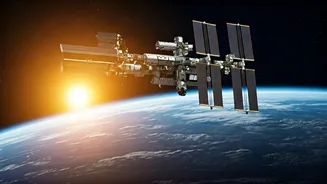



A Football Field in the Heavens
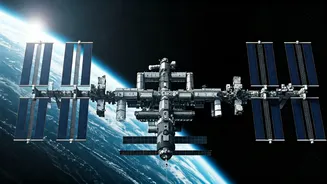
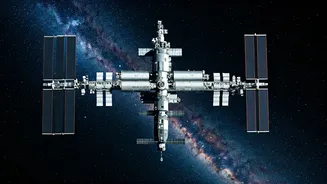
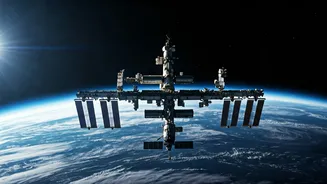
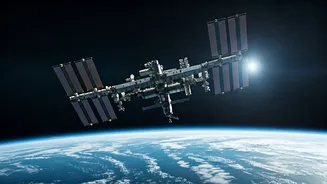
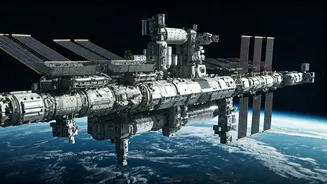
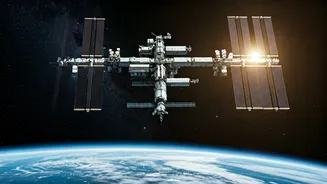
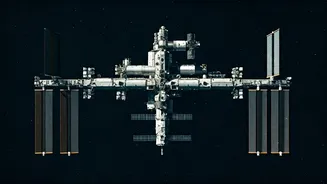
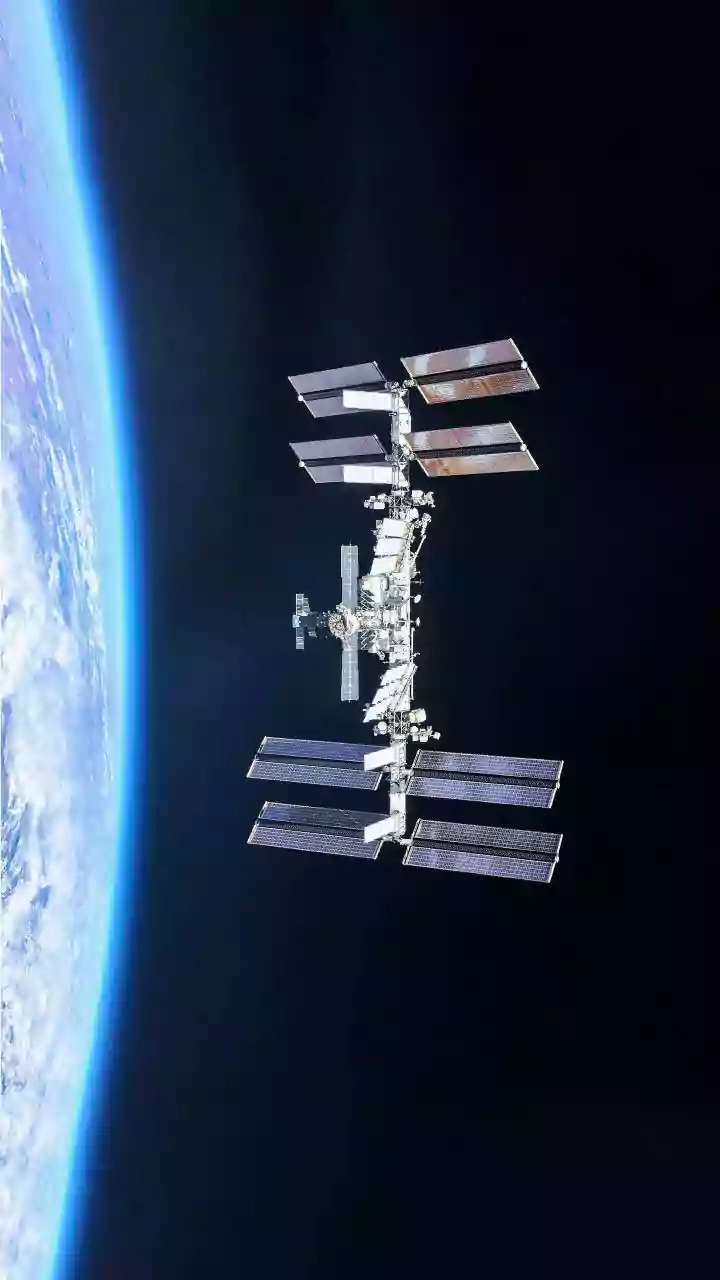
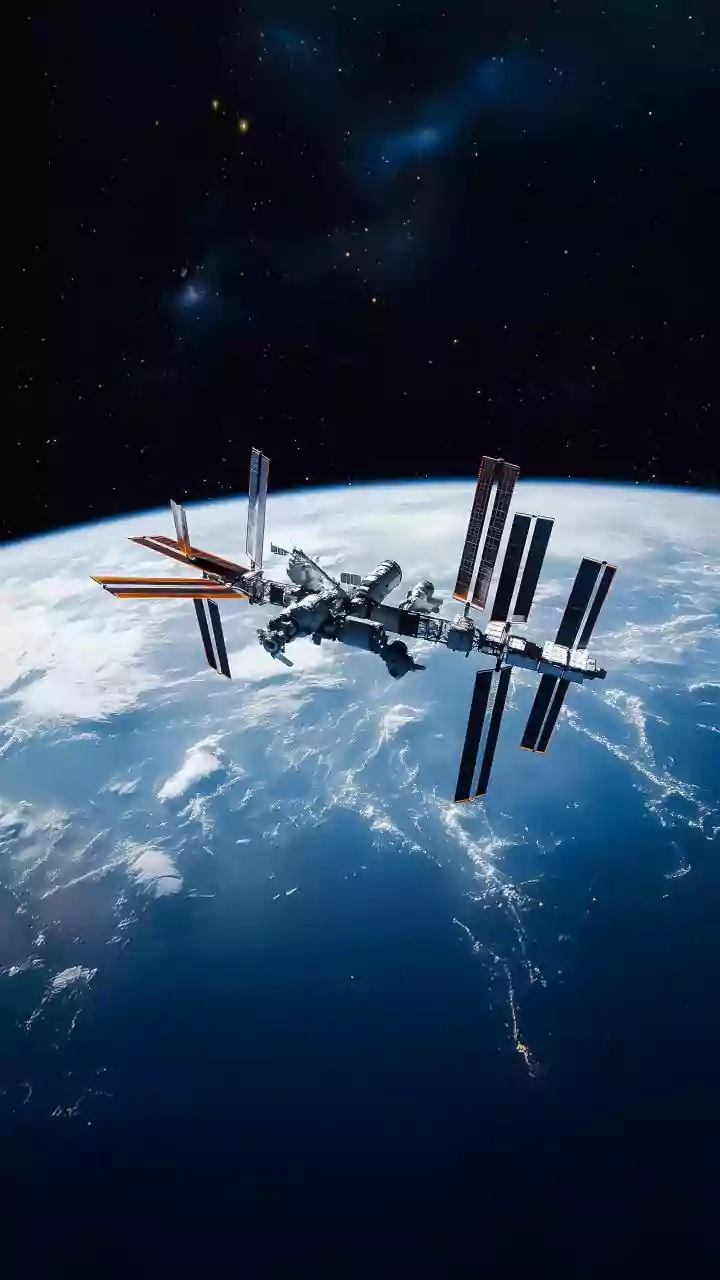
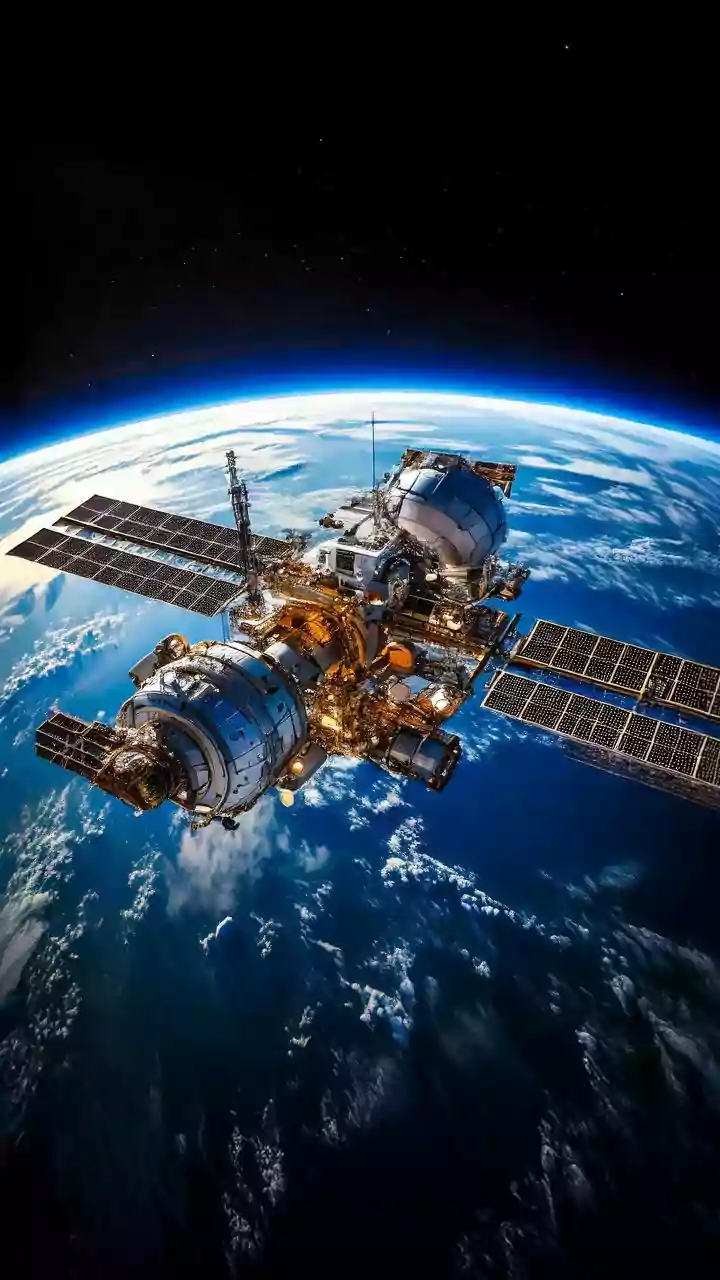
It’s hard to grasp the sheer scale of the International Space Station (ISS). Stretching about 109 metres from end to end, it’s roughly the length of a football field floating 400 kilometres above Earth. This colossal structure, weighing nearly 420,000
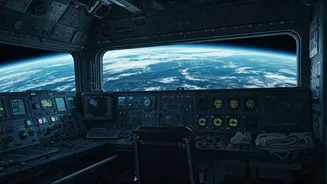
kilograms, wasn't launched in one piece. It was painstakingly assembled in orbit over more than a decade, with components ferried by 42 separate flights. Inside, its pressurised volume is comparable to a Boeing 747, containing living quarters for a crew of seven, two bathrooms, a gym, and a 360-degree viewing window called the Cupola. It is, by a significant margin, the largest and most complex object ever put into space by humans.
The World's Fastest Laboratory
While its size is impressive, its speed is mind-boggling. The ISS hurtles through the vacuum of space at nearly 28,000 kilometres per hour, or about eight kilometres per second. This means it circles the entire planet every 90 to 93 minutes, allowing its crew to witness 16 sunrises and 16 sunsets every single day. But it’s not just a fast-moving home; it’s a world-class laboratory. For over two decades, the station has been continuously inhabited since November 2000, hosting nearly 3,000 scientific experiments from researchers in over 100 countries. These experiments, conducted in the unique microgravity environment, have led to breakthroughs in medicine, materials science, and our understanding of how the human body adapts to space.
An Unprecedented Global Alliance
Perhaps one of its most remarkable aspects is the human collaboration that built and operates it. The ISS is a joint project between five space agencies: NASA (USA), Roscosmos (Russia), JAXA (Japan), ESA (Europe), and CSA (Canada). In total, 15 countries have contributed to its construction and operation. In an era of geopolitical tensions, the ISS remains a powerful symbol of peaceful international cooperation. Scientists and astronauts from dozens of nations have visited the station, working together on shared scientific goals. This makes the ISS not only a triumph of engineering but also a landmark achievement in global diplomacy.
The Real Insane Fact: Its Digital Brain
While its size, speed, and cost (estimated at over $150 billion) are staggering, the truly unique fact lies in its nervous system: the software that runs it. The International Space Station is controlled by more than 1.5 million lines of flight software code. This intricate digital brain runs across more than 50 computers, managing everything from life support and navigation to scientific experiments. To put that into perspective, the original Windows 95 operating system had about 15 million lines of code, but the ISS software operates in an environment where a single error isn't just a blue screen of death—it could be a life-or-death catastrophe. There are no IT support calls in orbit.
Why Millions of Lines of Code Matter
This isn't just about volume. The software's complexity is magnified by the support system on the ground. NASA reports that the flight code is supported by over 3 million lines of code for ground control and another 1.5 million lines for the US segment alone. This massive ecosystem of code is responsible for monitoring around 350,000 sensors on the station, tracking everything from temperature and pressure to the position of valves. Every line of that code has to be flawless, tested, and re-tested in simulations to ensure the safety of the crew and the integrity of the multi-billion dollar asset. This reliance on a vast, yet perfectly reliable, digital infrastructure is what truly sets the ISS apart as a human achievement.