






The Great Millet Makeover
The biggest shift in modern fasting cuisine is the enthusiastic embrace of millets. While water chestnut flour (singhara atta) and buckwheat flour (kuttu atta) have always been staples, the new kids on the block are amaranth (rajgira), barnyard millet (samak),
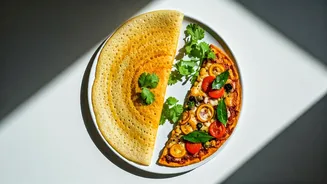
and finger millet (ragi). Chefs and home cooks are moving beyond the standard puri and using these nutrient-dense grains to create innovative dishes. Think fluffy samak idlis, crispy kuttu dosas, and even soft rajgira rotis that rival their wheat-based counterparts. This trend isn't just about novelty; it's about making fasting food more nutritious, lighter, and suitable for a modern, health-conscious lifestyle. These millets are gluten-free, rich in fibre, and offer a welcome textural change from the usual starchy fare.
Global Flavours, Desi Rules
Who said fasting food has to be exclusively Indian? The most exciting trend sees global dishes getting a 'vrat-friendly' makeover. The humble potato and buckwheat flour are now the building blocks for exciting fusion food. Imagine a pizza with a crispy kuttu or singhara base, topped with a simple tomato puree (made without onion or garlic), paneer, and a sprinkle of rock salt (sendha namak) and black pepper. Tacos are being reimagined with crunchy kuttu shells filled with a spiced paneer or sweet potato mixture. Even Italian-inspired dishes are making an appearance, with zucchini noodles tossed in a creamy cashew and herb sauce. This creative fusion respects the rules of fasting while satisfying cravings for global flavours, proving that dietary restrictions can be a catalyst for culinary genius.
Beyond the Potato: A Vegetable Renaissance
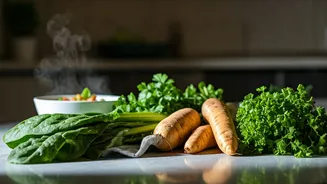
For too long, the potato has been the undisputed king of fasting vegetables. While its reign is far from over, its kingdom is now being shared with a wider court of approved vegetables. Sweet potatoes, pumpkin (kaddu), raw banana, colocasia (arbi), and yam (jimikand) are stepping into the spotlight. Instead of just a simple sabzi, these vegetables are being roasted, grilled, and mashed into flavourful cutlets and tikkis. Raw banana is being used to make flour for koftas and even chips. Pumpkin is being pureed into rich, creamy soups or roasted with spices for a satisfying side dish. This diversification adds much-needed vitamins, minerals, and a spectrum of new flavours and colours to the fasting plate.
From Fried to Fresh and Baked
Traditionally, much of fasting food has been deep-fried—think puris, pakoras, and vadas. While delicious, this can leave one feeling heavy and lethargic. The modern approach prioritises lighter cooking methods. The air fryer has become a hero appliance during Navratri and other fasting periods, churning out crispy sabudana vadas and arbi tikkis with a fraction of the oil. Baking is another popular alternative. Instead of fried kuttu pakoras, people are making baked kuttu crackers. Sweet potato wedges are being baked with herbs instead of fried. This shift towards baking, grilling, and steaming not only makes the food healthier but also allows the natural flavours of the ingredients to shine through.
Sweet Endings Get a Healthy Twist
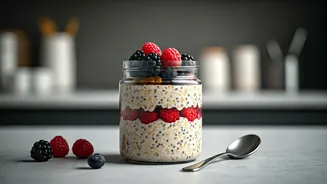
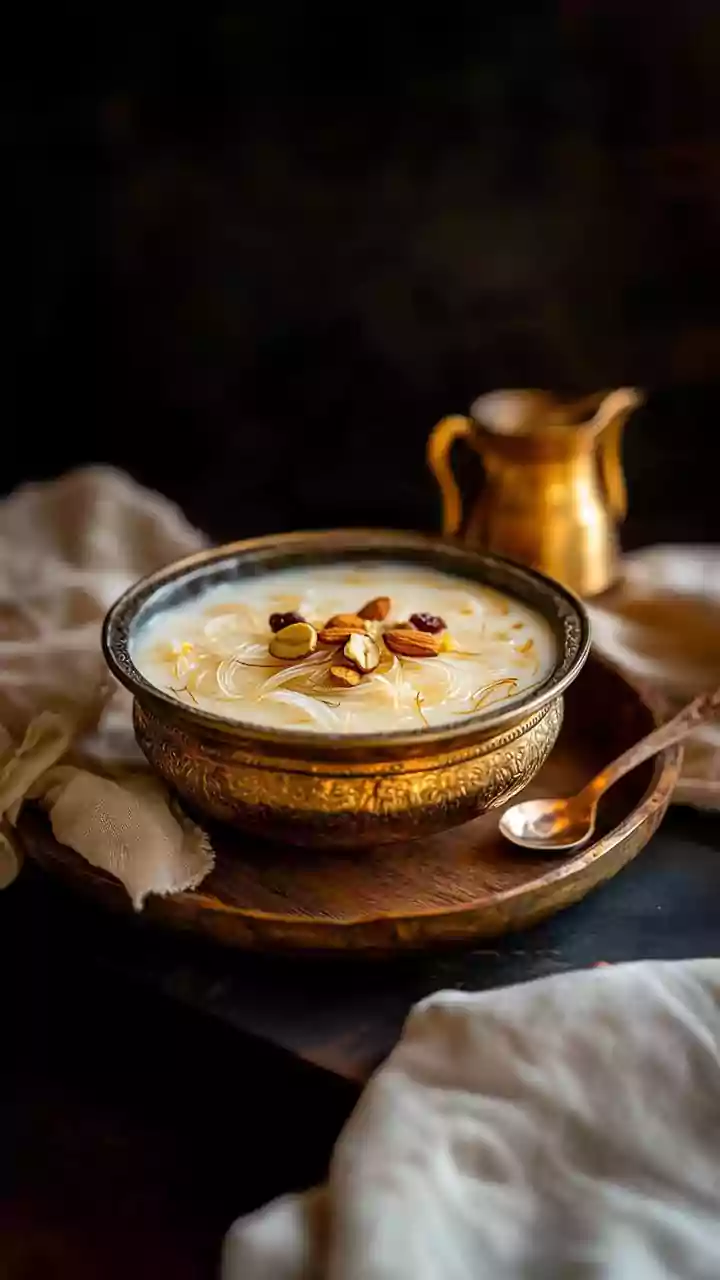
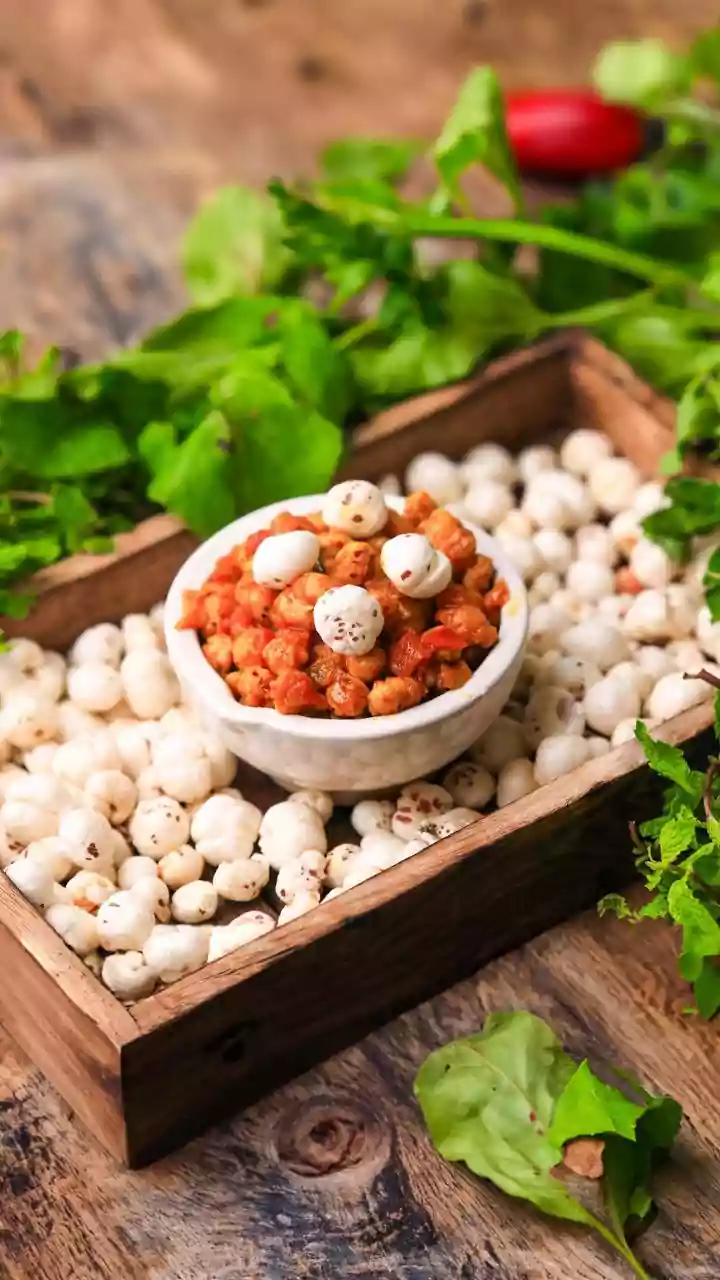
Fasting desserts are no longer limited to sabudana kheer or a simple fruit salad. The creativity extends to sweet treats as well. Refined sugar is often replaced with healthier alternatives like jaggery, dates, and honey. You'll now find recipes for creamy avocado and cocoa mousse (sweetened with dates), baked apple crumble with an amaranth and nut topping, or energy balls made from dates, nuts, and fox nuts (makhana). These desserts are not only permissible during fasts but are also packed with nutrients. They provide a guilt-free way to satisfy sweet cravings while keeping energy levels stable, proving that indulgence and wellness can go hand-in-hand, even during a fast.