



The West’s ‘New’ Discovery
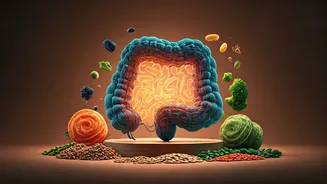
Suddenly, health blogs and nutrition influencers are buzzing about the microbiome, prebiotic foods, and the immense power of fibre. This carbohydrate, which the body can't digest, is now celebrated for its ability to regulate the digestive system, lower
cholesterol, control blood sugar levels, and foster a healthy gut environment. Western diets, often heavy in processed foods and refined grains, are notoriously low in fibre, leading to this sudden, urgent call to add it back in. It’s being sold as a novel solution, a health hack we’ve all been missing. This 'discovery' has spawned a market for fibre supplements, fortified cereals, and specialised breads, all promising to fill a nutritional gap.
India’s Everyday Fibre Plate
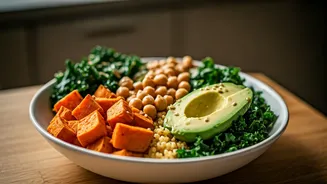
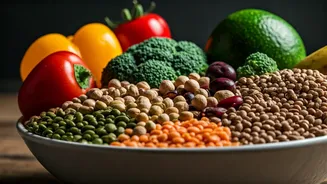
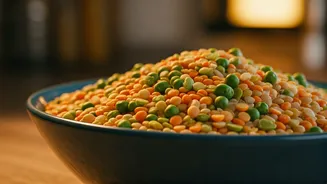
Now, let’s look at a traditional Indian thali. It’s a masterclass in balanced nutrition, and fibre is its unsung hero. The foundation is often whole grains—not the refined white flour common elsewhere. A simple whole wheat roti or chapati provides a significant dose of fibre. Pair that with a bowl of dal, made from lentils or legumes, and you’ve just added another powerful serving of both soluble and insoluble fibre. Add a sabzi, a vegetable dish cooked with spices, and you’re incorporating fibre from seasonal produce like beans, carrots, spinach, or gourds. This isn't a 'hack'; it's simply a meal. The humble combination of dal-roti-sabzi, eaten by millions daily, is a naturally high-fibre, gut-friendly composition that modern science is only now catching up to.
Our Forgotten Super Grains
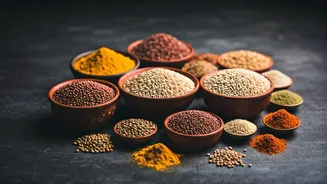
Beyond wheat, India’s dietary heritage is rooted in a diverse range of millets, which are now being globally rebranded as 'ancient grains'. Jowar (sorghum), bajra (pearl millet), and ragi (finger millet) were staples across various regions long before rice and wheat became dominant. These hardy crops are nutritional powerhouses, packed with fibre, protein, and micronutrients. A jowar bhakri or a ragi mudde offers a different, often superior, fibre profile compared to modern processed grains. Similarly, our use of vegetables goes far beyond the standard salads of the West. From leafy greens like saag to fibrous gourds and roots, Indian cooking integrates a staggering variety of plant-based ingredients, each contributing to the meal's overall fibre content. Even the finishing touch of a small piece of jaggery and a digestive spice mix like fennel seeds has traditional roots in aiding digestion.
A Tradition We Must Reclaim
While we can be proud of this culinary heritage, there's a cautionary tale. The rise of urbanisation and convenience culture has started to erode this traditional fibre advantage. The corner bakery's white bread is replacing the homemade roti. Instant noodles are substituted for wholesome grains. Refined flour (maida) has crept into our snacks and daily meals, from biscuits to samosas. This shift towards processed, low-fibre foods is contributing to a rise in lifestyle diseases that were once far less common. The 'fibre trend' from the West should not be about buying expensive supplements; it should be a wake-up call to look back into our own kitchens. The solution isn't in a foreign health aisle; it's in our grandmother's recipes and the local farmer’s market.