


A Rebellion Against the Identical
For years, the goal for many was a home that looked like it was pulled from a catalogue—clean, consistent, and devoid of personal quirks. But a fatigue has set in. Homeowners are now actively moving away from this 'showroom' aesthetic, seeking authenticity
instead. This isn't just a trend; it's a reaction against the impersonality of mass-produced goods. People are realising that quality, craftsmanship, and even slight imperfections add layers of character that no machine can replicate. The result is a move toward what is being called 'slow interiors'—a more considered approach to building a home over time with meaningful objects.
The Story Behind the Object
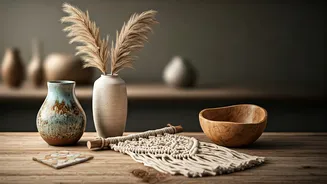
A significant part of the appeal of handmade decor is the narrative it carries. A hand-thrown ceramic vase, a block-printed cushion cover, or a carved wooden bowl are more than just objects; they are conversation starters that hold a story. They connect you to the artisan who created them, their skills, their traditions, and the materials they used. In an increasingly digital world, we are craving this tactile connection to things that feel real and human. This desire for connection and personalisation is a key psychological driver behind the trend; we are drawn to the personality and energy imbued in an item made by hand.
The 'Made in India' Renaissance
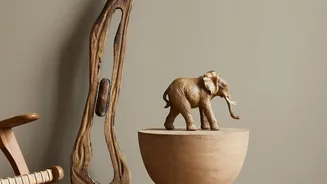
This global trend has a special resonance in India, where a rich heritage of craftsmanship is being rediscovered by a new generation. Indian homeowners are no longer choosing local crafts out of obligation, but out of a genuine appreciation for their superior aesthetic and quality. Artisanal items like terracotta pottery, Dhokra brass sculptures, handwoven baskets, and textiles from regions like Kutch are being integrated into modern homes, not as rustic accents, but as sophisticated design elements. This shift supports local artisans and helps preserve generational skills that are central to India's cultural identity.
Sustainability and Conscious Choices
The turn towards handmade is also deeply connected to a growing consciousness around sustainability. Younger generations, in particular, are aware of the environmental impact of consumerism and are actively seeking eco-friendly alternatives. Handmade items are often produced using natural, local, or recycled materials with less waste compared to industrial manufacturing. Choosing a handmade piece is often a vote for a more sustainable and ethical system that values people and the planet over profit. This makes the decision to buy artisanal goods not just an aesthetic one, but a values-driven one.
Embracing Imperfect Beauty
Perhaps the most refreshing aspect of this trend is the embrace of imperfection. The Japanese philosophy of Wabi-Sabi, which finds beauty in the incomplete and transient, perfectly captures this sentiment. A slight asymmetry in a ceramic bowl or the visible knots in a handwoven rug are not seen as flaws but as marks of authenticity and character. These 'imperfections' make a home feel more relaxed, lived-in, and personal. It’s a departure from the pressure to maintain a perpetually 'Instagrammable' home, toward creating a space that is genuinely comfortable and true to the people who inhabit it.