




The Hidden Link Between Posture and Knees
The human body is an interconnected chain; a problem in one area can create stress elsewhere. When you slouch or hunch forward, your body's centre of gravity shifts. This seemingly small change in your upper body alignment forces your lower body to compensate,
placing uneven pressure and excess strain directly on your knees. Prolonged sitting, especially with poor posture, weakens the muscles that support the knee—like the quadriceps, hamstrings, and glutes. These muscles become less engaged, meaning the knee joint and its cartilage absorb more force, which can lead to inflammation and gradual wear and tear.
Signs Your Habits Are Hurting Your Knees
Knee pain is the most obvious symptom, but it's not the only one. If your posture is the underlying issue, you might also notice other signs. Do your knees feel stiff when you stand up after sitting for an extended period? Do you experience a dull ache around the kneecap, sometimes called 'moviegoer's knee'? Other red flags include pain when climbing stairs, cracking sounds, or feeling the need to constantly shift your weight from one leg to another while standing. These are all indicators that your daily postural habits are creating imbalances and putting your knees under duress.
Immediate Ergonomic Fixes for Your Workspace
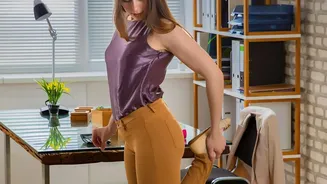
Correcting your posture starts with optimising your environment, especially if you have a desk job. First, adjust your chair height so your feet rest flat on the floor and your knees are at a 90-degree angle, level with or slightly lower than your hips. This position promotes even weight distribution. If your feet don't reach the floor, use a footrest. Position your computer monitor at eye level to prevent hunching. Keep frequently used items within arm's reach to avoid twisting, which can also strain your knees. These simple adjustments help maintain your body's natural alignment and reduce joint pressure.
Simple Daily Habits for Stronger Knees
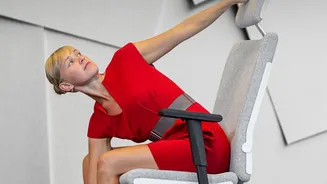
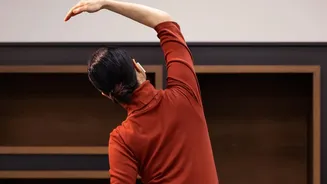
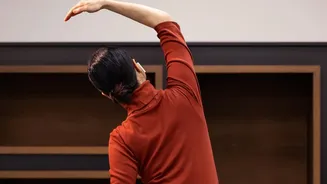
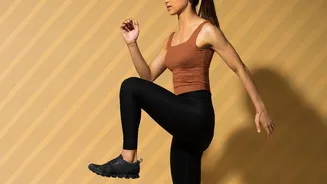
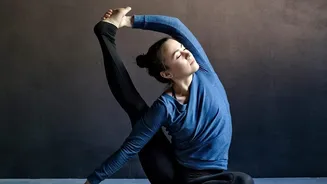
Beyond ergonomics, incorporating corrective movements into your day is crucial. Set a reminder to get up and walk around for a few minutes every hour to improve circulation and reduce stiffness. Simple stretches can also provide significant relief. Try a seated leg stretch: while sitting, straighten and raise one leg, hold for a count of 10, then slowly lower it. Repeat this 10 times on each leg to activate the quadriceps. Strengthening your core and glute muscles with exercises like glute bridges and planks will also provide better support for your knees, improving your body's overall stability and alignment.