







The Savvy Traveller’s ‘Shoulder Season’
For years, travel plans were dictated by school holidays and major festivals, leading to predictable peaks and troughs. But a shift is underway. More travellers are discovering the 'shoulder season'—the period just after a destination's peak season but
before the off-season lull. For many international destinations, especially in Europe and parts of Asia, this sweet spot falls between September and November. The benefits are compelling: fewer crowds at iconic landmarks, more pleasant and milder weather, and, most importantly, better value. Airlines and hotels often reduce prices to maintain bookings, which can result in significant savings compared to the summer rush. This isn't just about finding a cheaper deal; it's about experiencing a destination more authentically and at a relaxed pace.
Europe in Golden Hues
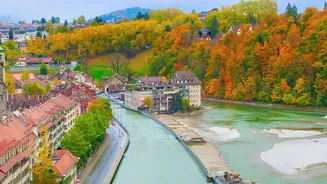
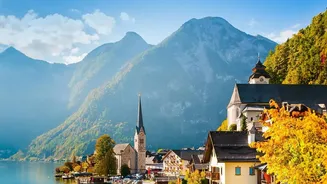
While summer in Europe can be a frenzy of activity and scorching heat, autumn offers a completely different, more romantic atmosphere. September in countries like Italy and France means witnessing the grape harvest season in full swing, with rolling vineyards turning golden. Cities like Prague and Budapest, often packed in July, become comfortably cool and walkable, their historic streets lined with autumnal colours. The Mediterranean also enters a pleasant phase, with sea temperatures still warm enough for a swim but without the hordes of summer sunbathers. For Indian travellers, this season presents Europe in its best light—calm, picturesque, and culturally rich, offering a premium experience often at a lower cost than a peak-season trip.
Southeast Asia’s Post-Monsoon Revival
Closer to home, Southeast Asia offers incredible value and beauty in the autumn months. As the monsoon rains recede, countries like Vietnam, Thailand, and Cambodia come alive with lush, green landscapes and clear skies. Vietnam remains a top choice for its affordability and diverse experiences, from the bustling streets of Hanoi to the serene waters of Ha Long Bay. In Thailand, the often-wetter month of September gives way to clearer days, especially on the Gulf Coast around islands like Koh Samui, making it ideal for beachgoers who missed the summer window. Many of these destinations have also simplified their entry processes for Indians with e-visas or visa-on-arrival options, making spontaneous autumn getaways more feasible than ever.
Visa-Free and Ready to Go
A significant driver of this seasonal trend is the increasing number of countries offering visa-free entry or streamlined visa processes for Indian passport holders. This removes a major logistical hurdle, allowing for more spontaneous and flexible travel planning. Malaysia has extended its visa-free entry for Indians through the end of 2026, making it a hassle-free option for a family trip combining city life in Kuala Lumpur with beach time in Langkawi. Similarly, Sri Lanka's visa-free policy, valid through 2026, has made it a 'sweet spot' for Indian tourists, where travel budgets stretch further. Other visa-free destinations perfect for an autumn escape include Mauritius, Seychelles, and even Kazakhstan, which has gained popularity for its stunning, Alps-like scenery at a fraction of the European cost.
Experience-First Planning
Modern Indian travel is becoming less about just ticking off a destination and more about the experience itself. Autumn is particularly rich in this regard. It’s the season for unique cultural events, from harvest festivals in Europe to vibrant celebrations like Diwali and Holi in countries with a strong Indo-Caribbean heritage like Trinidad and Tobago. This shift towards experience-led tourism means travellers are planning trips around specific activities, whether it's trekking in Nepal's clear post-monsoon weather or exploring the ancient Silk Road cities of Uzbekistan. This targeted approach ensures that the trip is more memorable and fulfilling, moving beyond generic sightseeing to create lasting memories tied to a specific time and place.