





The Foundation: Smart Fabric Choices
The secret to a light, rain-ready wardrobe isn't packing more; it's packing smarter materials. Avoid cotton at all costs. Once wet, cotton takes ages to dry and will leave you feeling damp and cold. Instead, focus on fabrics designed to handle moisture.
Merino wool is a top performer; it insulates even when damp, resists odour, and dries quickly. Synthetic materials like polyester and nylon are also excellent choices. They are lightweight, breathable, and wick moisture away from your skin, helping you dry off fast after a sudden downpour. These quick-dry fabrics are perfect for travel, as they can be washed in a hotel sink and will often be dry by morning.
The Strategy: Master the Art of Layering
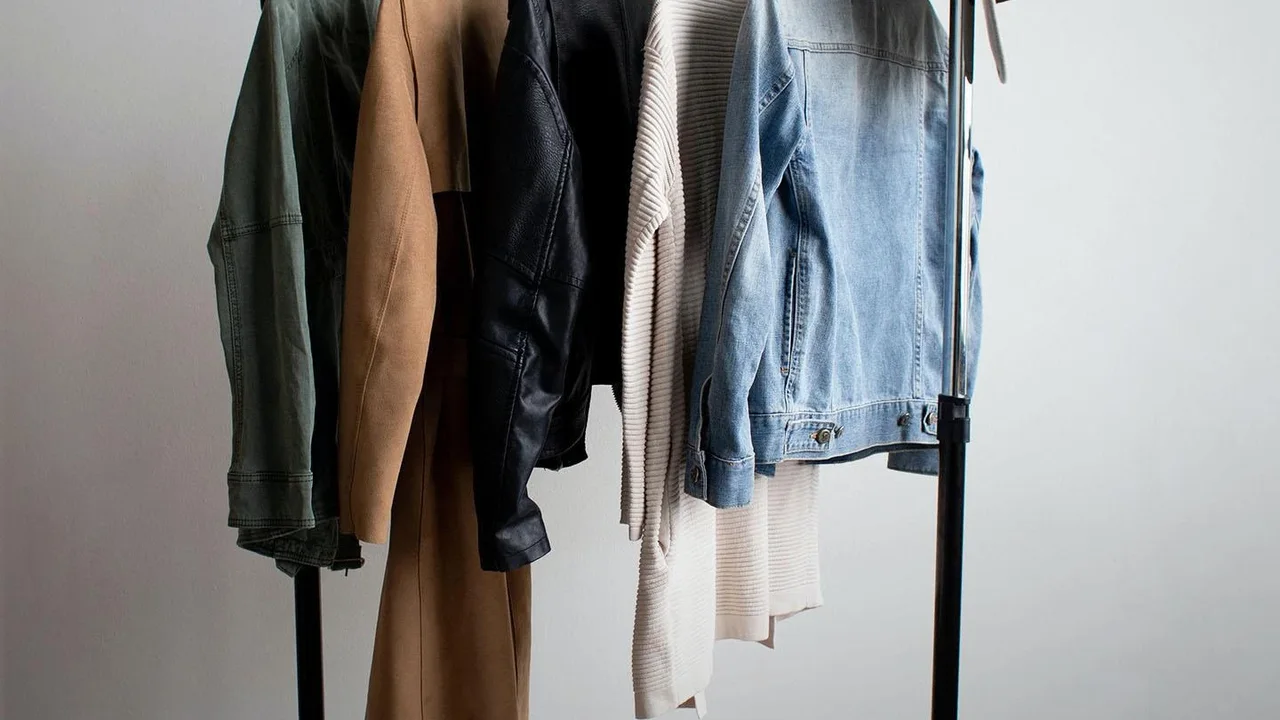
Instead of a single bulky jacket, think in layers. This approach gives you the versatility to adapt to changing conditions, from a cool drizzle to a heavy downpour and back to a humid afternoon. Your base layer should be a moisture-wicking top. Over that, add a lightweight fleece or a merino wool sweater for warmth. The final and most crucial piece is a reliable, lightweight waterproof shell or rain jacket. This outer layer is your primary defence against rain and wind. This three-part system allows you to add or remove pieces as needed, ensuring you're always comfortable without the bulk of traditional winter wear.
Your 4-Day Rainy Weather Packing List
Use the '1-2-3-4' rule as a starting point and adapt it for rain. For a four-day trip, your clothing list should be ruthlessly efficient. Outerwear: 1 waterproof, breathable rain jacket. Mid-layers: 1 fleece or merino wool sweater. Tops: 3-4 moisture-wicking or quick-dry shirts (a mix of short and long-sleeve). These can be layered or worn alone if the sun makes an appearance. Bottoms: 2 pairs of quick-dry pants or trousers. Synthetic materials are ideal. Avoid jeans, as they are heavy and take forever to dry. Undergarments & Socks: 5 pairs of socks (merino wool is excellent for keeping feet dry and warm) and enough underwear for six days. This minimalist wardrobe, built on neutral colours, allows you to mix and match easily, creating different outfits from just a few core items.
Footwear and Accessories: The Final Details
Shoes are often the biggest packing challenge. For a rainy trip, you need something waterproof. A single pair of comfortable, waterproof walking shoes or boots is often sufficient. Wear this heavier pair on the plane to save space in your bag. If you need a second pair, consider lightweight, packable slip-ons for indoors. Accessories are your secret weapon. Pack a small, sturdy travel umbrella for quick dashes through light rain. To protect your belongings, consider using waterproof pouches or dry bags inside your carry-on, especially for electronics and important documents. A waterproof phone case or pouch is a small investment that can save you a major headache. These simple additions provide an extra layer of security, ensuring that even if you get wet, your essentials stay perfectly dry.
Packing Techniques: Roll, Compress, and Conquer
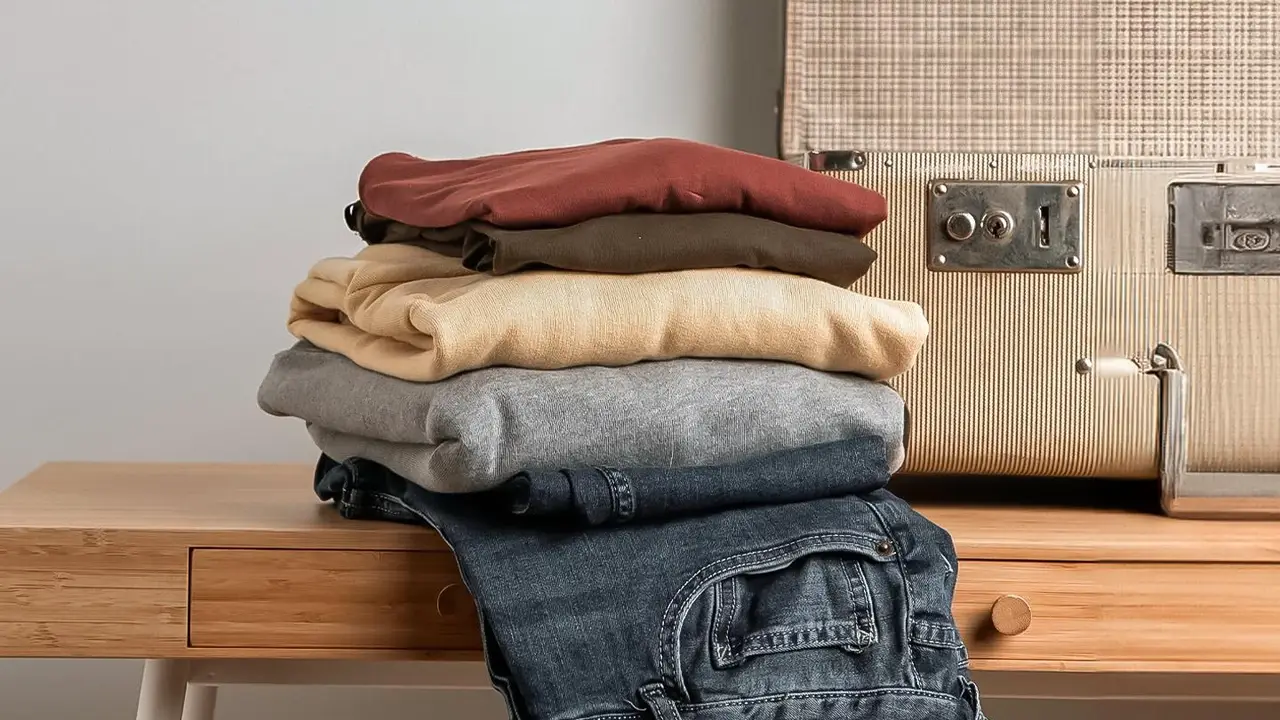
How you pack is as important as what you pack. Rolling your clothes is a popular method that can significantly reduce creases in casual wear and save a surprising amount of space. Tightly roll softer items like shirts, pants, and sweaters and arrange them in your bag. For items you want to keep crisp, a folding method might be better. Some travellers prefer to stack folded items vertically, like files in a cabinet, to easily see and access everything without rummaging. Using packing cubes can further organize your belongings and compress them, freeing up even more room. You can dedicate one cube to tops, another to bottoms, and a third to undergarments.