






First Steps: Visa, Flights and Budgeting
The best news for Indian passport holders is the ability to enter Thailand for tourism without a pre-arranged visa. As of September 2026, the policy allows for a visa-exempt stay of up to 30 days. This saves you both time and money. Always double-check
the latest regulations with the Royal Thai Embassy before you travel as rules can change. For flights, booking 2-3 months in advance on budget airlines like AirAsia or IndiGo can secure round-trip fares from major Indian cities for ₹15,000-₹25,000. A realistic daily budget for a backpacker, focusing on street food and hostels, is around ₹2,000-₹3,000 per day after flights. This covers accommodation, food, local transport, and some activities.
Bangkok: The Energetic Gateway
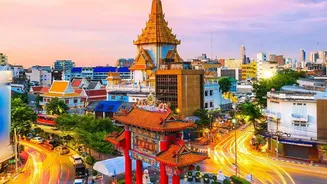
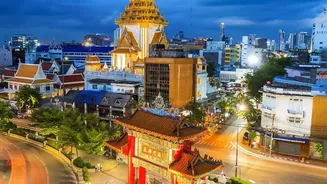
Your journey will likely start in Bangkok, a city of contrasts. For accommodation, the areas around Khao San Road or Sukhumvit offer countless hostels and budget guesthouses, with dorm beds available for as little as ₹800-₹1,200 per night. Getting around is cheapest using the BTS Skytrain or public boats along the Chao Phraya River. Taxis can be affordable if you insist on the meter. Food is a major highlight and incredibly cheap. A full day of eating delicious street food can cost as little as ₹400-₹600. Dishes like Pad Thai, Som Tam (papaya salad), and boat noodles can be found for 50-70 THB (around ₹150) at local stalls, though prices can double in tourist-heavy zones. Most of the city's famous temples, like Wat Arun and Wat Pho, have modest entrance fees, offering hours of exploration for a small price.
Chiang Mai: Northern Hills and Culture
From Bangkok, you can take an overnight bus or train to Chiang Mai for under ₹2,000, saving on a night's accommodation. Alternatively, a budget flight with an airline like Nok Air or Thai Lion Air can be found for a similar price if booked ahead. Chiang Mai is generally cheaper than Bangkok. Hostels within the Old City walls are plentiful and affordable. The main attractions here are culture and nature. You can explore ancient temples within the city for free, wander through the bustling Night Bazaar, and hike up to Wat Phra That Doi Suthep for stunning views. A popular budget activity is visiting one of the many ethical elephant sanctuaries, though be sure to research them thoroughly. Food is another delight, with northern specialties like Khao Soi (a coconut curry noodle soup) available for a bargain at street-side eateries.
Krabi: Beaches and Islands on a Budget
To get from Chiang Mai to Krabi, a direct flight is the only practical option and is surprisingly affordable on budget carriers. Once in Krabi, base yourself in Ao Nang, which has a wide range of budget stays and acts as a hub for exploring the region. The main expense here can be island-hopping tours. To save money, opt for the public long-tail boats instead of private speedboat tours. These boats can take you to stunning beaches like Railay Beach, which is only accessible by water, for a fraction of the cost. The famous Phi Phi Islands tour is often a must-do, but you can find cheaper shared tours by booking locally in Ao Nang. For food, avoid the pricier beachfront restaurants and head a street or two inland, where you’ll find authentic Thai food at local prices.
Sample 10-Day Budget Itinerary
A classic route covers all three locations in about 10 to 14 days. Consider this framework: Days 1-3 in Bangkok for temples and city life. On Day 4, take an overnight bus or a morning flight to Chiang Mai. Spend Days 4-6 exploring the northern culture, from temples to night markets. On Day 7, fly from Chiang Mai to Krabi. Spend Days 7-9 island hopping, relaxing on Railay Beach, and soaking up the sun. On Day 10, fly from Krabi back to Bangkok for your connecting flight home. This itinerary balances travel time with immersive experiences, allowing you to see the best of Thailand's diversity without feeling rushed or overspending. Remember to pack light to avoid excess baggage fees on domestic flights, which can add up quickly on low-cost carriers.